In my early years as a gamer, four artists truly defined my conception of D&D and tabletop fantasy art: Larry Elmore, Jeff Easley, Clyde Caldwell, and Keith Parkinson.
I first recall them being referred to as the “Four Horsemen” in the excellent 2019 documentary Eye of the Beholder. Since I’ve been writing so much lately about the artists who inspire my games, I recently sat down to rewatch it. You can find where to stream it from the official website here. If you’re curious, here is the trailer:
But back to the artists. Elmore, Easley, Caldwell, and Parkinson completely defined D&D for me as a teenage gamer. Little by little, I discovered the early artists who originally shaped the game (and they’ll get their own post!), but when I first started playing, these four were the absolute pillars of fantasy TTRPG art. You probably know them, so I won’t recount their entire careers—others have covered them far more thoroughly than I ever could. Instead, I want to focus on how they left an impression on me and inspired my campaigns.
Larry Elmore
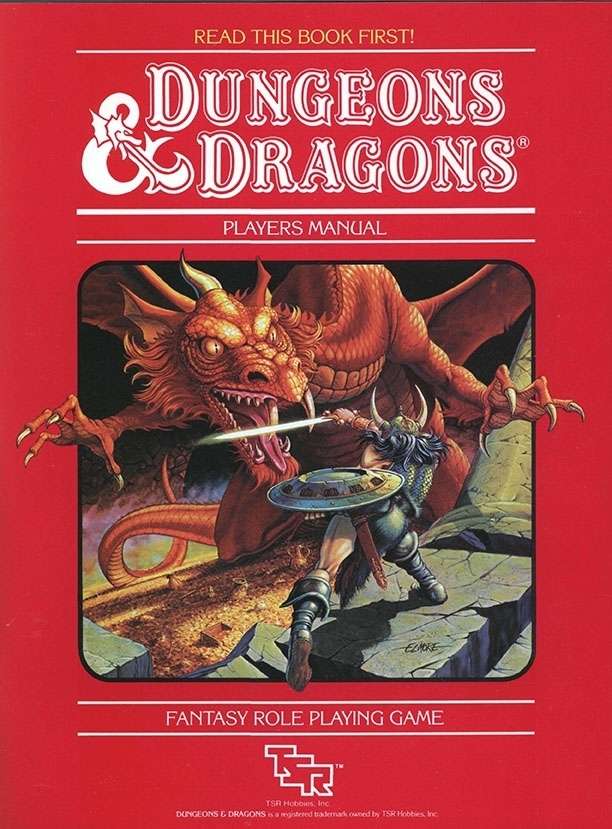
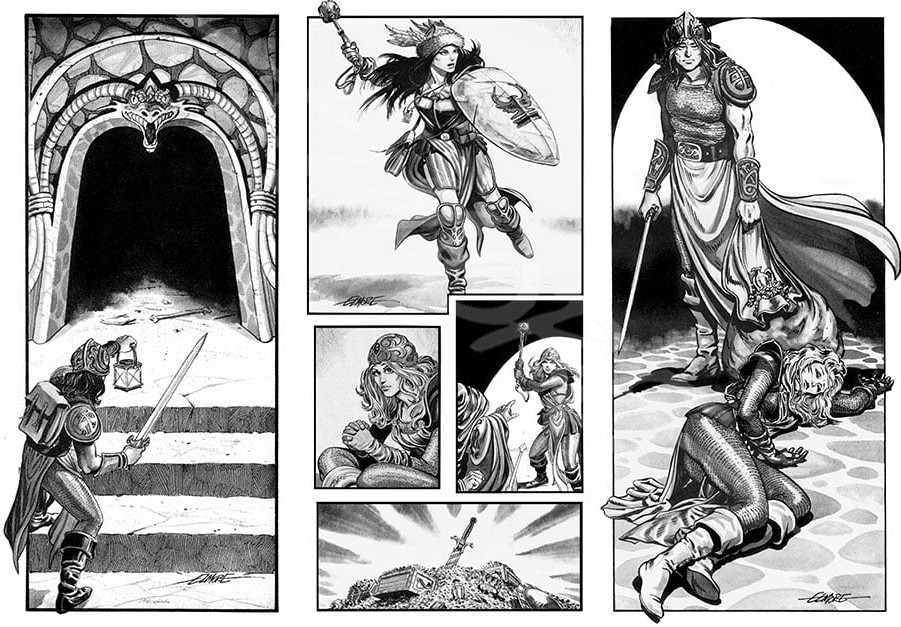
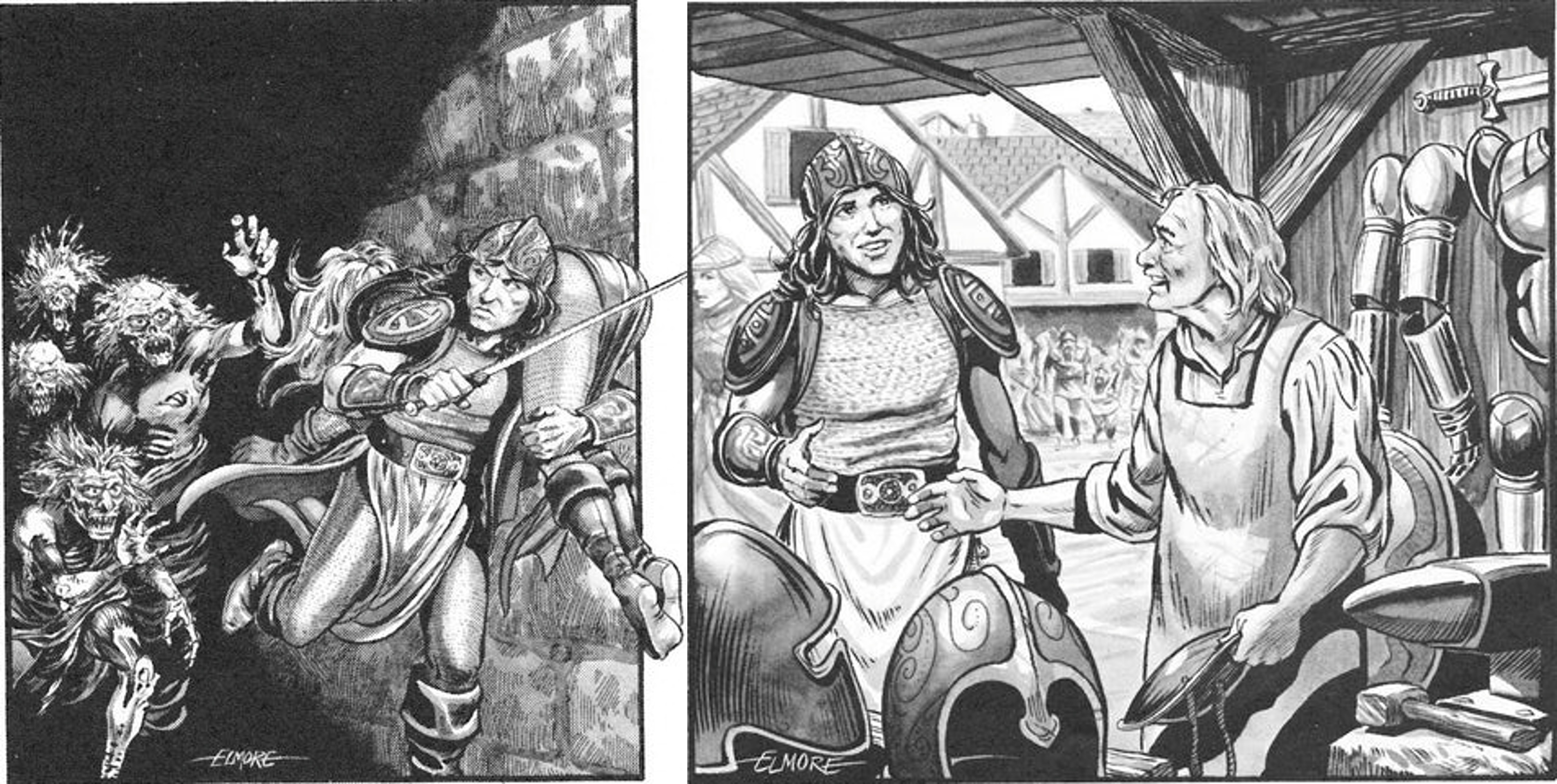
For a long time, Elmore was my absolute favorite fantasy artist! He drew the cover for the very first TTRPG book I ever bought. That archetypal red dragon of the Mentzer Red Box (and yes, it only has one horn, look closely at the art!) beckoned me into gaming. But his influence went far beyond the cover. He drew most of the art in the Players Manual inside that box, accompanied by some amazing standouts by Easley. The images of the adventurer entering the dungeon in the solo tutorial, the illustration of Aleena, Bargle attacking her, and the adventurer acquiring equipment—these visuals were fundamentally tied to learning the game, and they remain with me to this day.
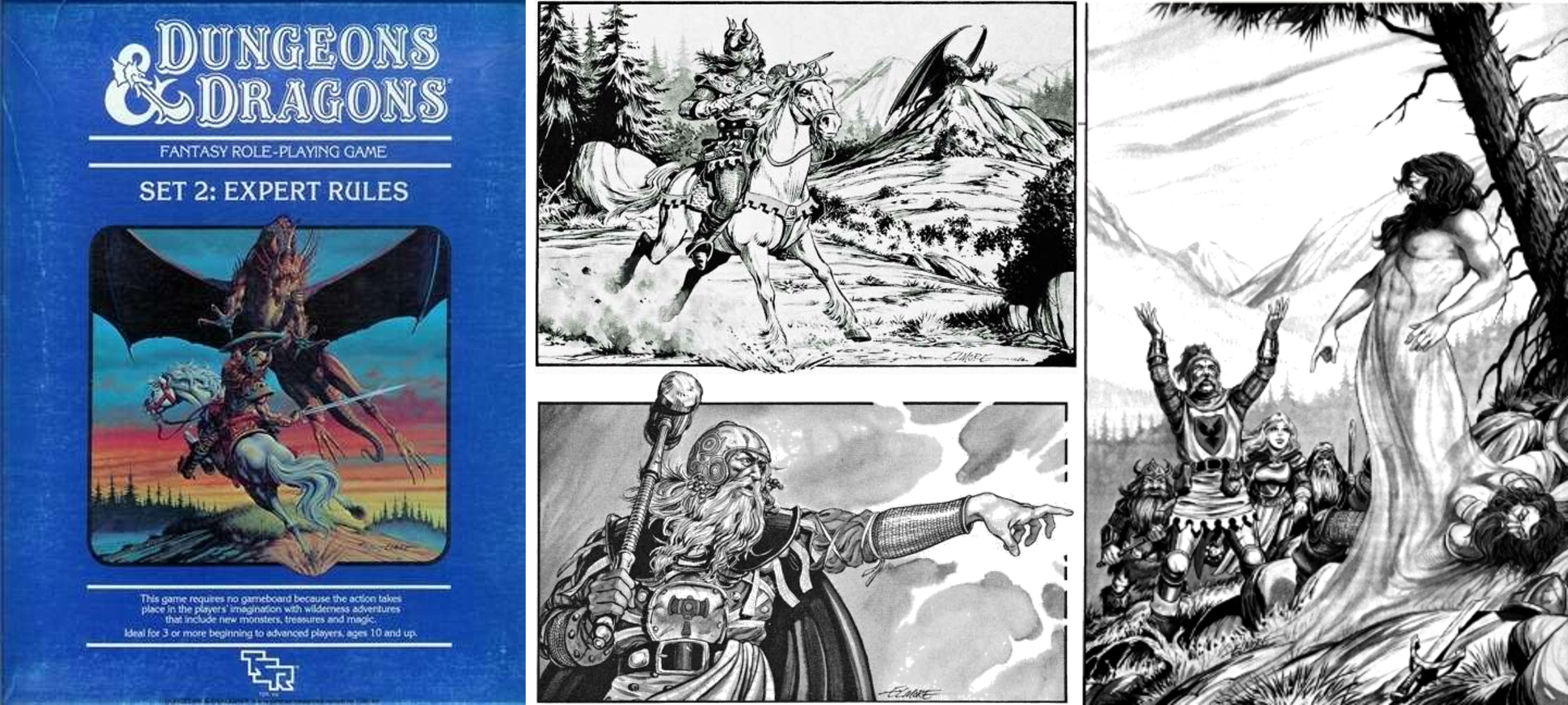
His art also graced the Expert set cover and most of the interior illustrations. I particularly love the one-page illustration of the duel.
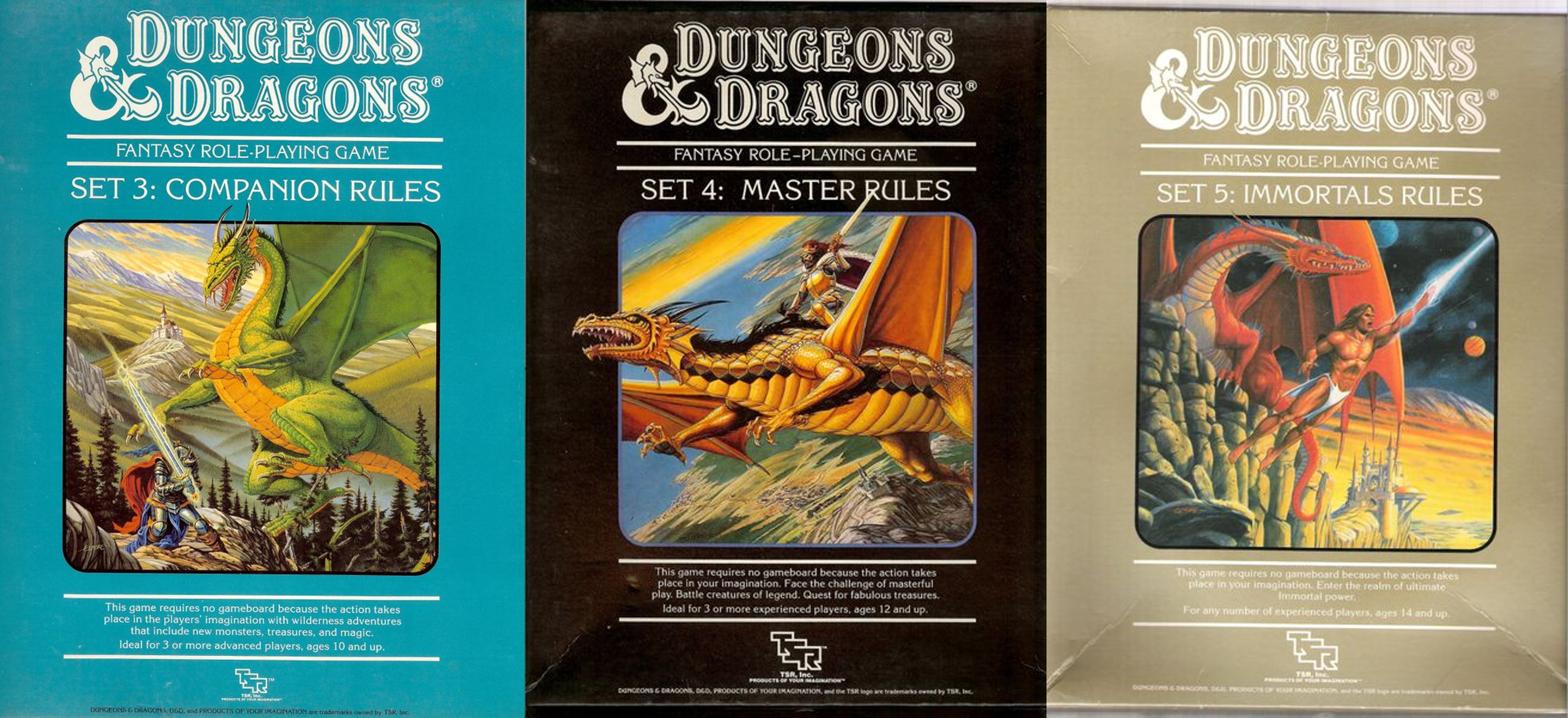
He went on to do the covers for the Companion, Master, and Immortal sets, and I vividly remember the weapons illustrations in the Companion rulebook.
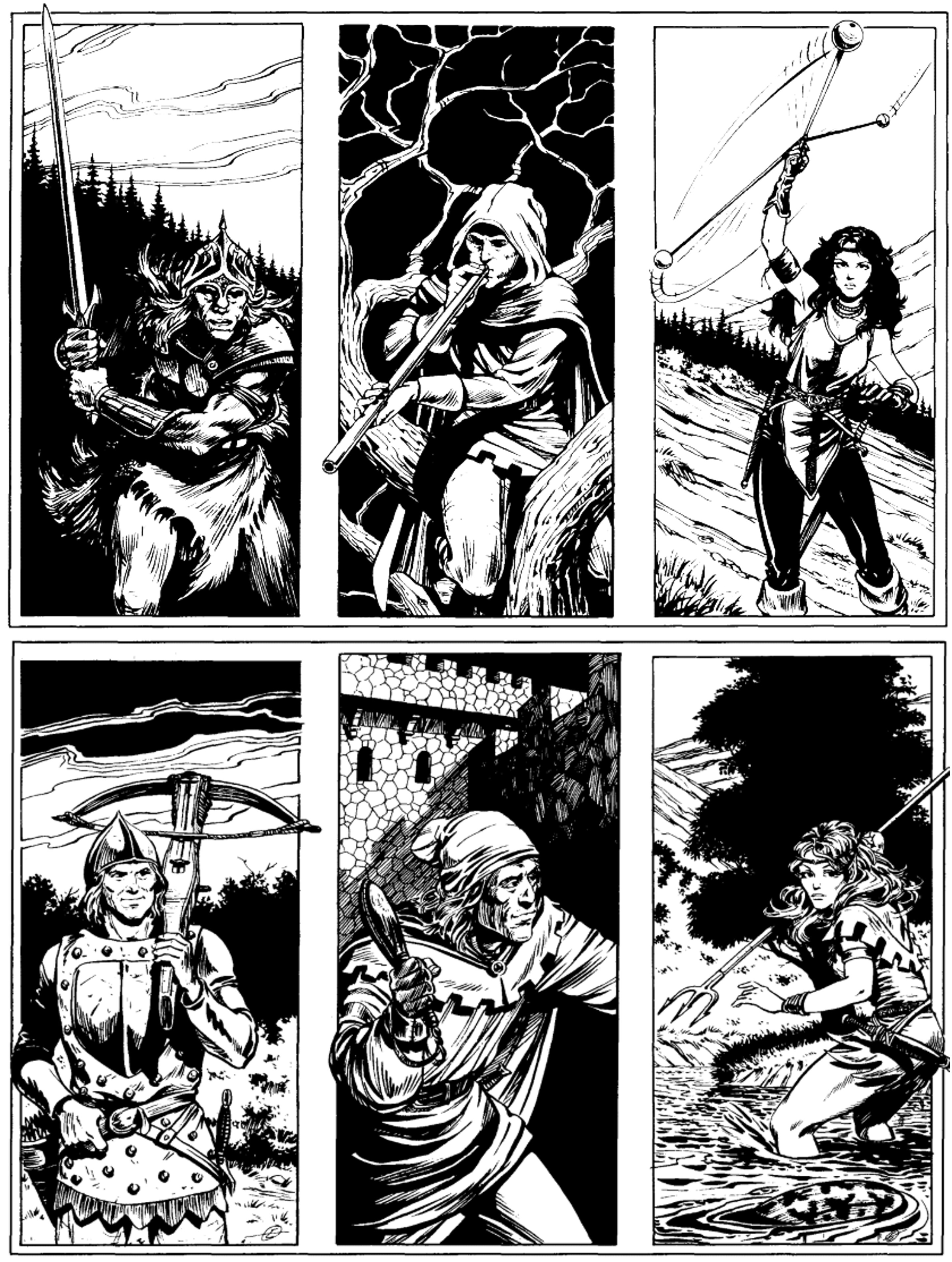
Whenever I saw Elmore’s art, I was entranced. His covers for the Dragonlance Chronicles and the Star Frontiers boxed set were undeniably a huge part of why I purchased those products. His aesthetics and clean lines defined civilization in D&D for me. When I thought of the classes and ancestries, I pictured them exactly as Larry Elmore painted them.
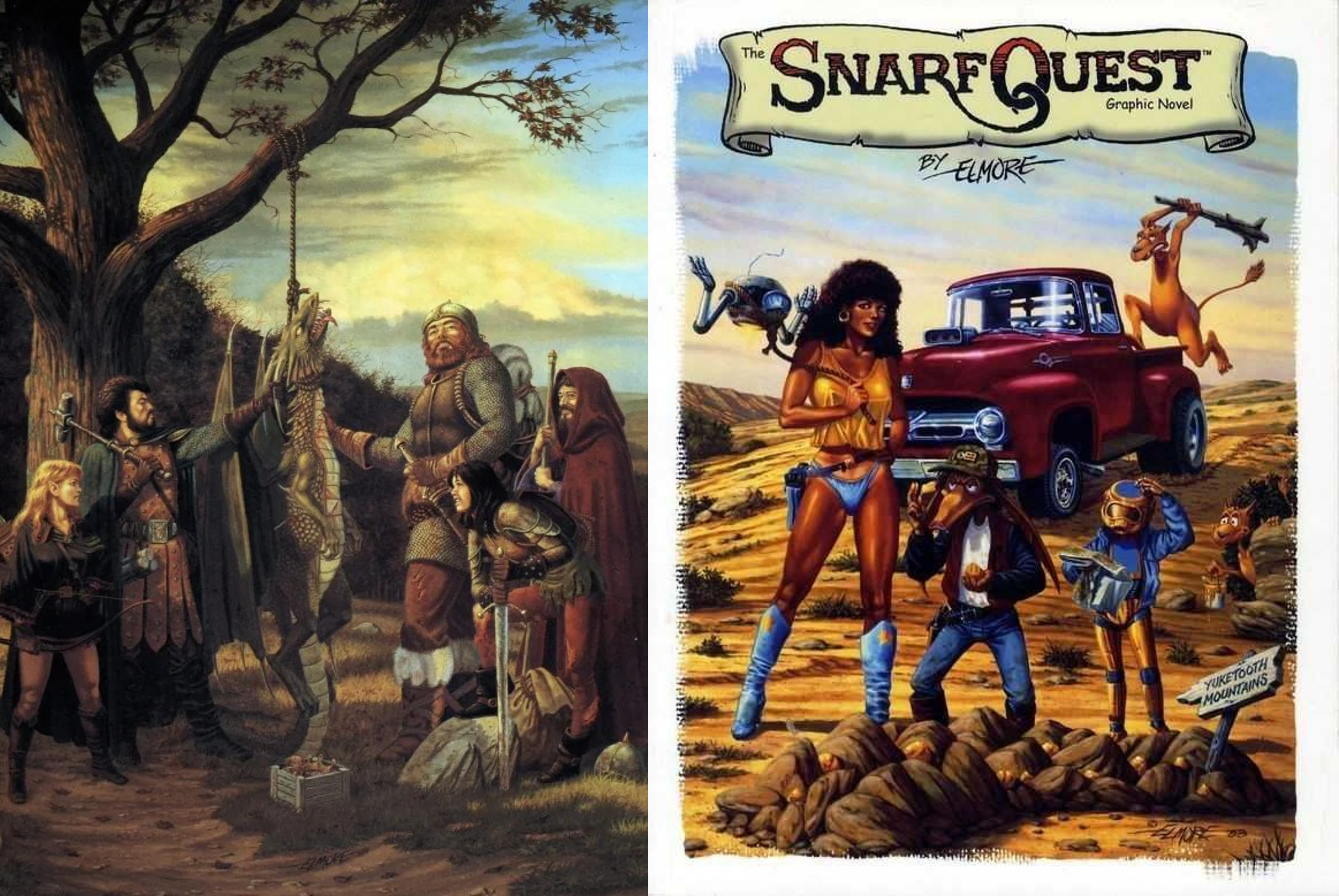
I know many people love his Dragonslayers and Proud of It piece from the AD&D 2nd Edition PHB, but I honestly wasn’t a fan. I understand what he tried to convey with the new heroes slaying a small dragon, but it didn’t catch my eye the way his other work did. I did, however, love a lot of his Dragon Magazine covers from this period. I read SnarfQuest, too, though I wasn’t a massive fan.
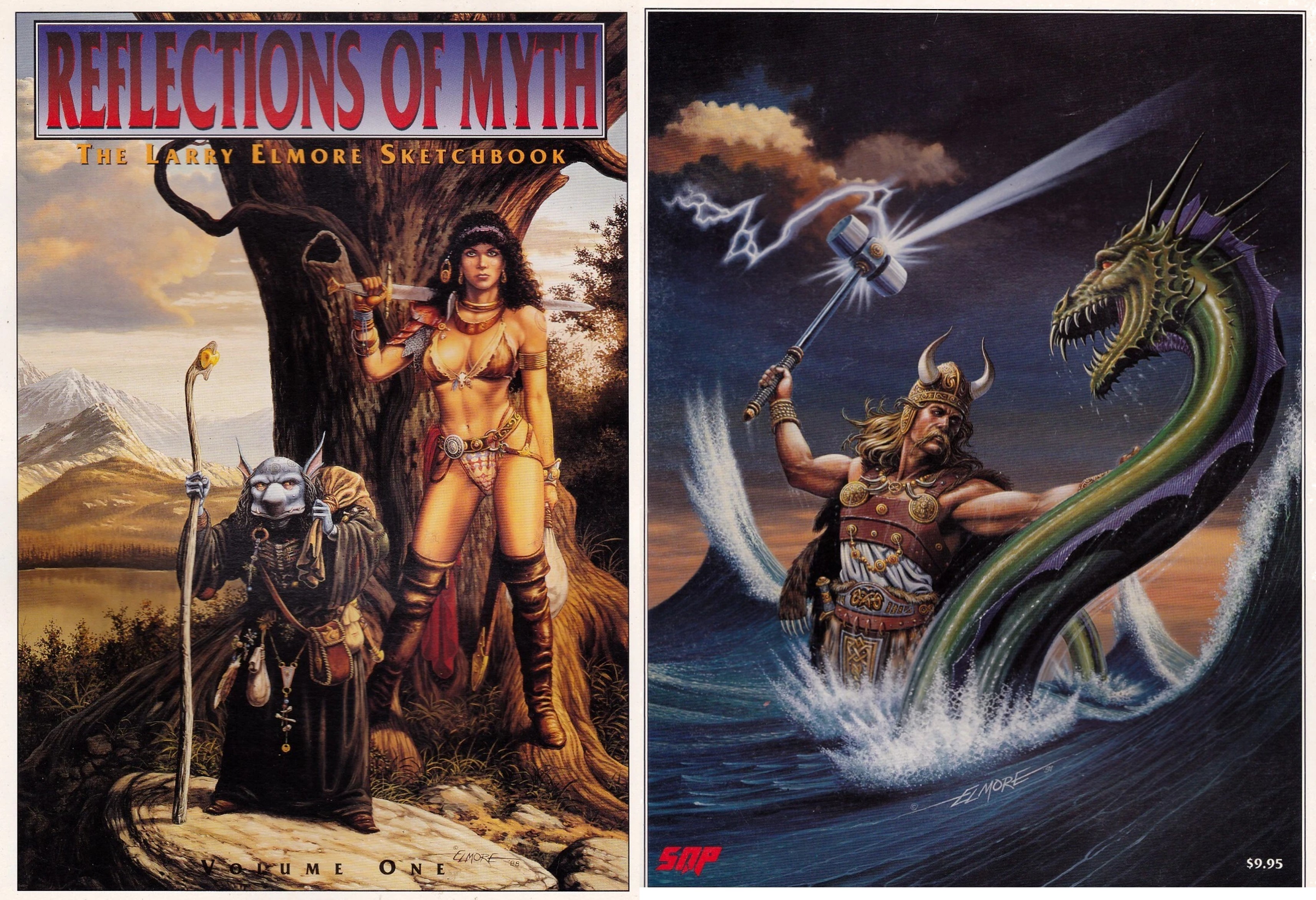
I still own a copy of Reflections of Myth: The Larry Elmore Sketchbook. I loved that book! I would often turn to a specific drawing in it and tell my players, “This NPC looks exactly like this.”
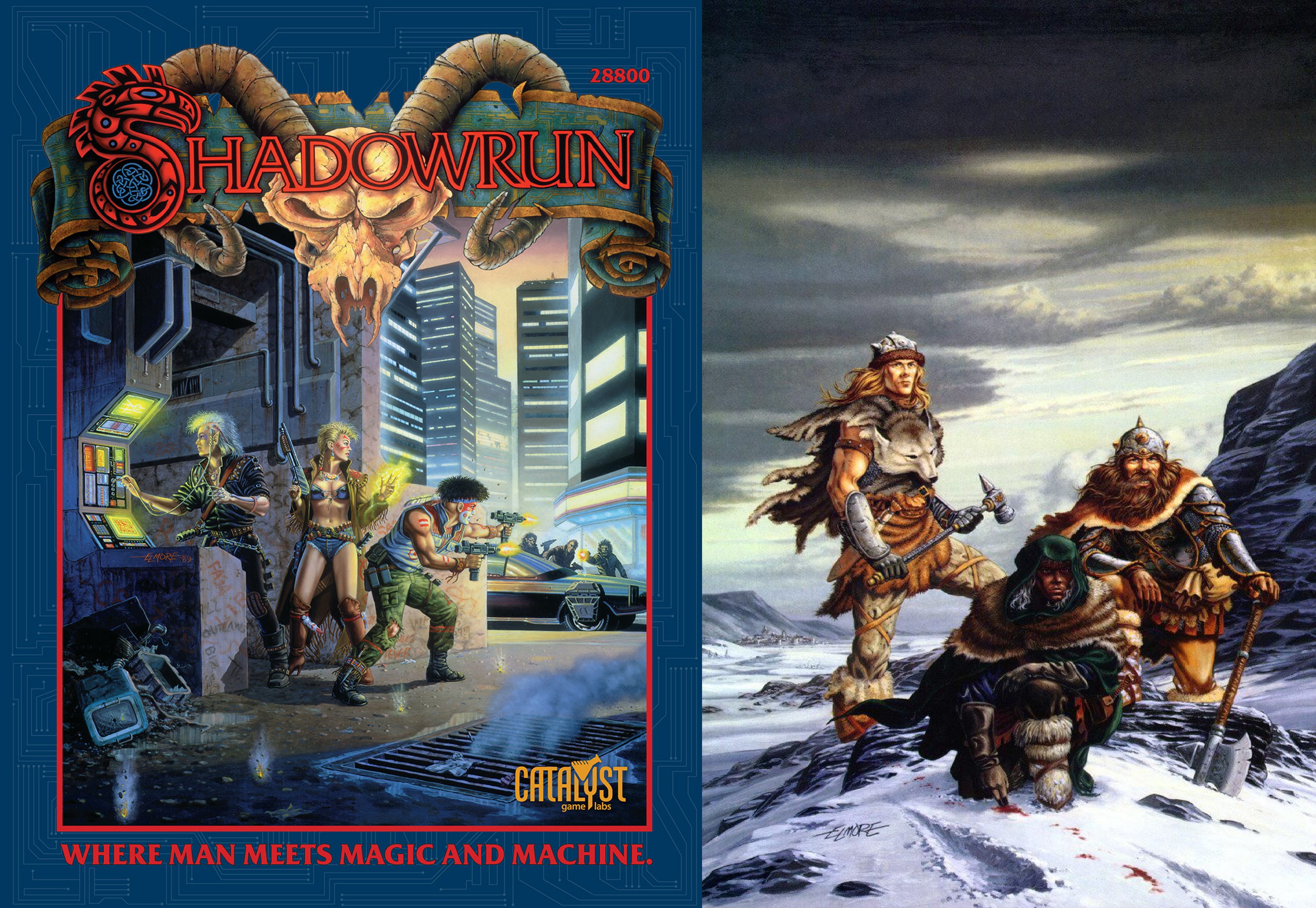
I probably would not have looked twice at Shadowrun if it hadn’t featured a cover by Elmore, and the same goes for The Crystal Shard novel. Larry Elmore’s art was my true gateway into Dungeons & Dragons and fantasy TTRPGs in general. In my imaginary, perfect D&D book, all the class and ancestry illustrations are drawn by him.
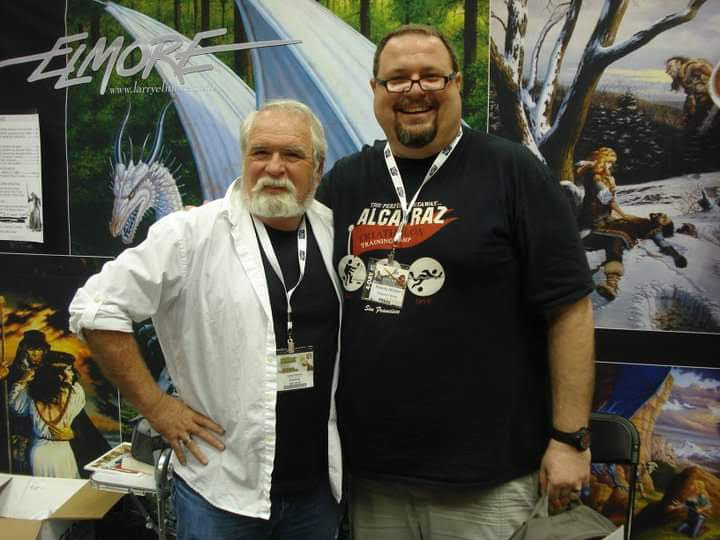
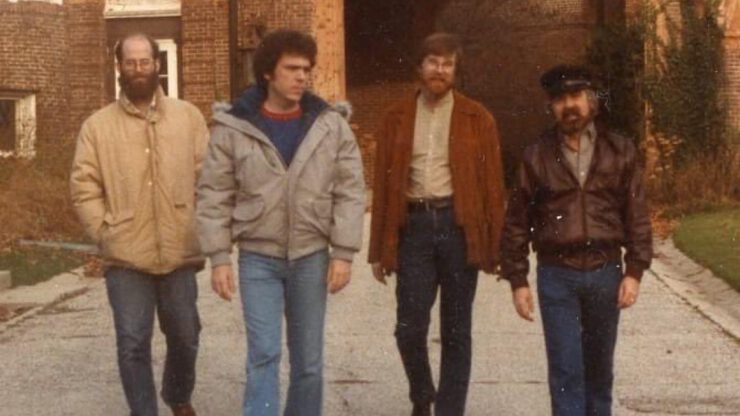
I was lucky enough to meet him and take the photo you see above at Gen Con 2010.
Jeff Easley
Elmore did all the covers for the BECMI boxed sets, but when I “graduated” to the Advanced version of D&D, all the covers for the orange-spine books were painted by Jeff Easley. While I later acquired copies of the original PHB, DMG, MM, and Deities and Demigods covers, when I first got the core books, it was Easley’s art gracing them.
His art seemed darker, more grown-up, and much more foreboding. This was definitely the “advanced” game. While his covers for the AD&D 2nd Edition books rarely come to mind as my all-time favorites, they were so prevalent that they heavily influenced the aesthetics of my growing fantasy world.
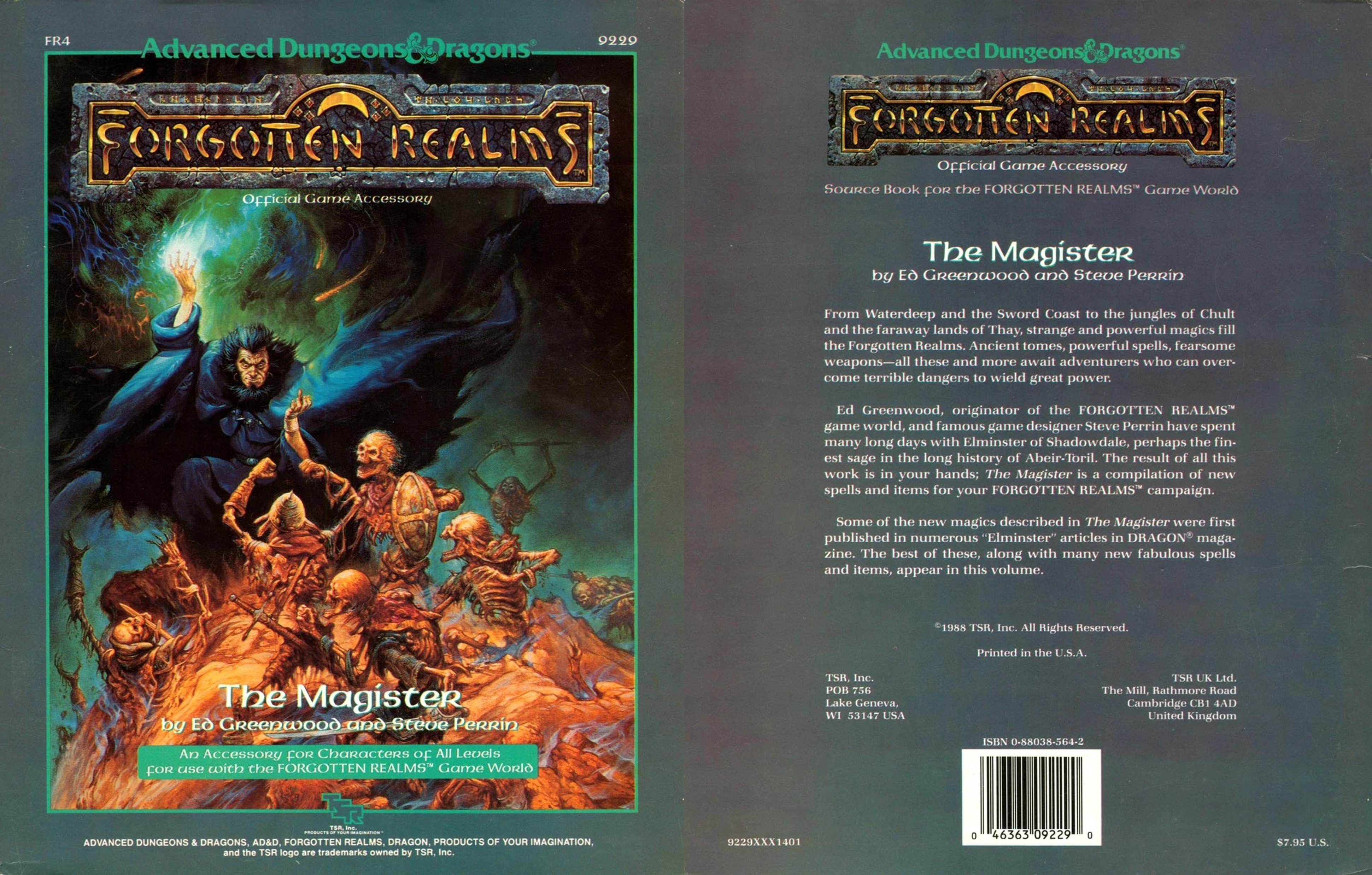
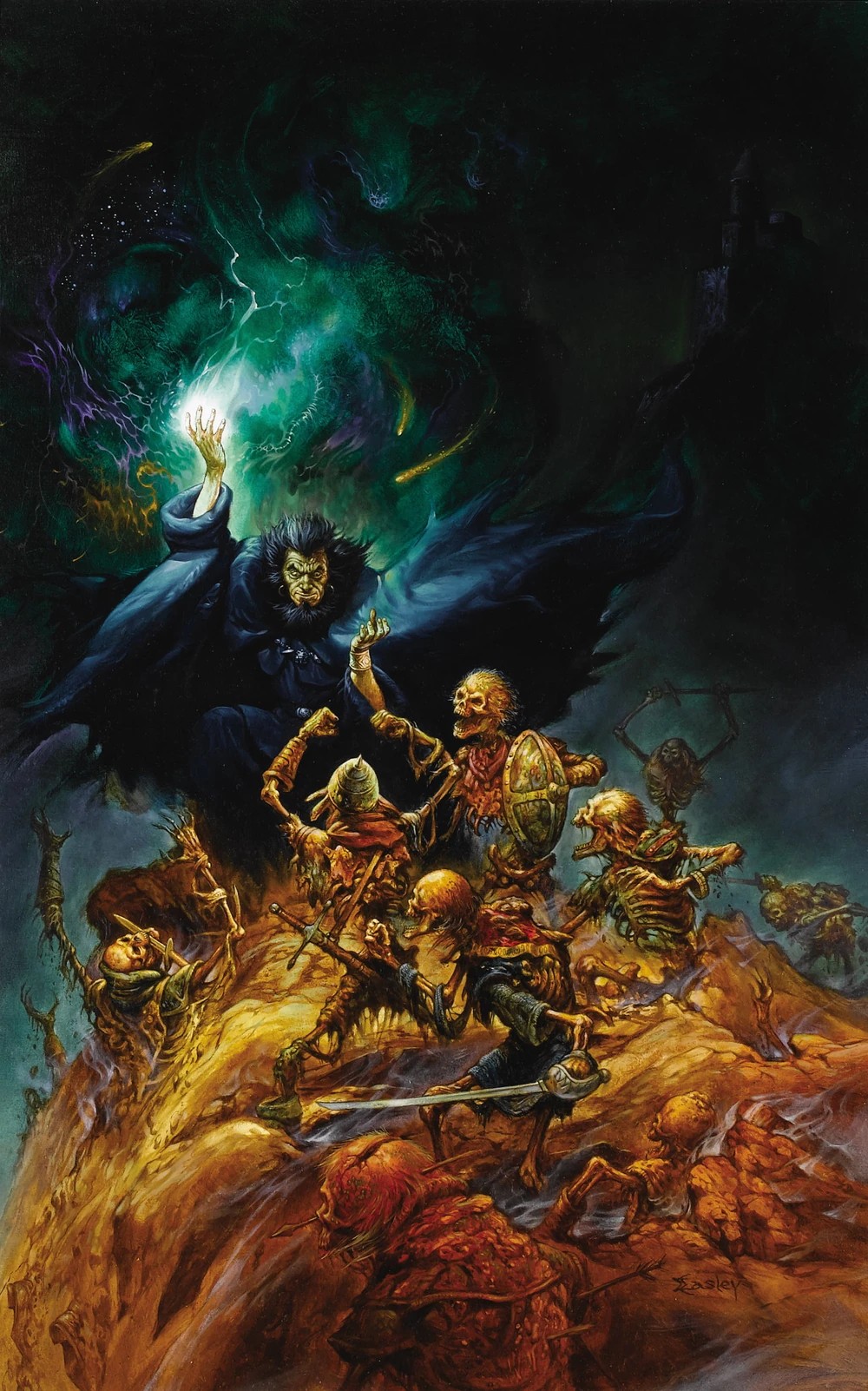
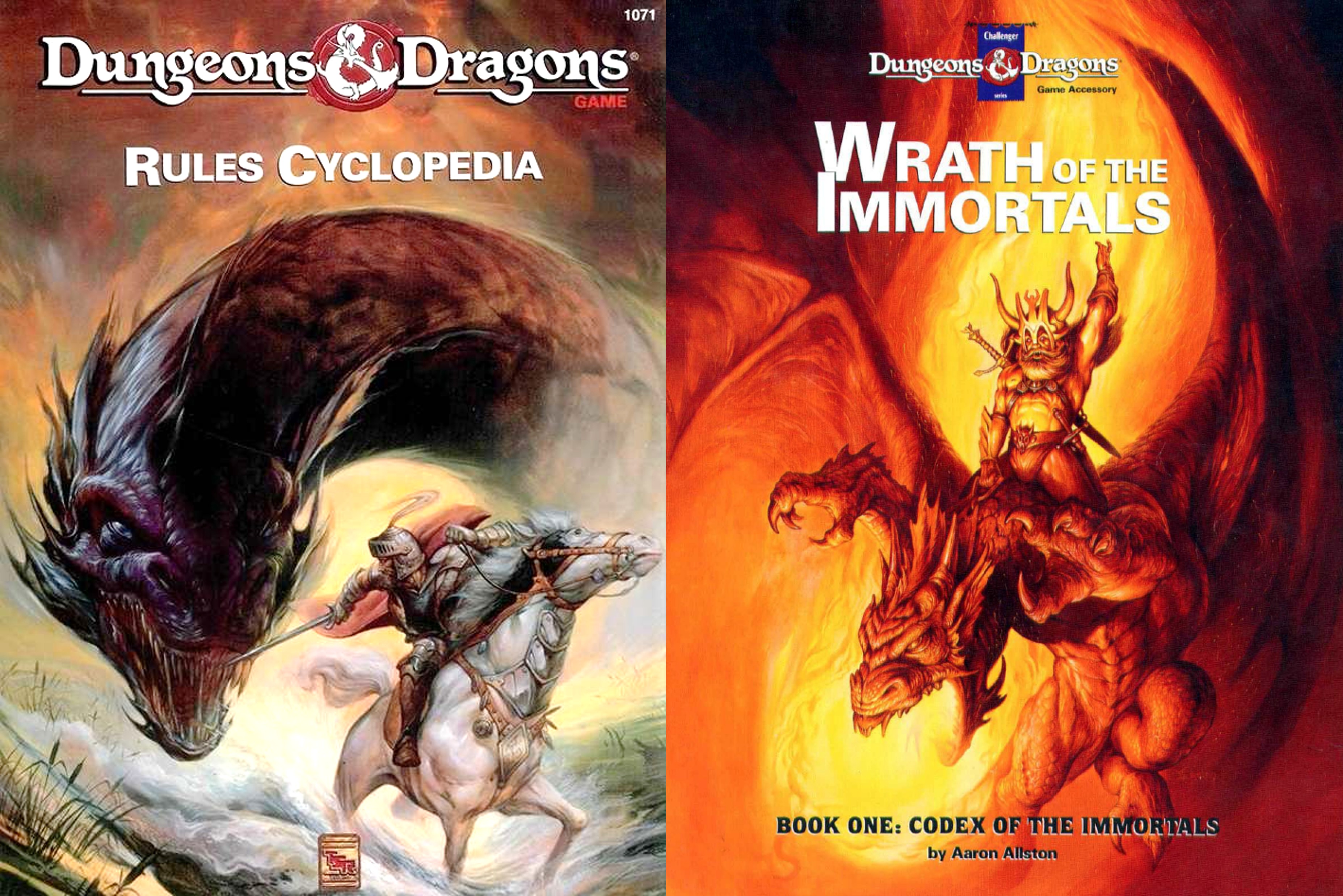
I loved The Magister supplement for Forgotten Realms, and Easley’s cover for it. That specific piece of art became the appearance of a major NPC in my campaign. His covers for the Rules Cyclopedia and Wrath of the Immortals are also pieces I treasure because of their connection to my favorite TSR-era campaign world, Mystara.
Clyde Caldwell
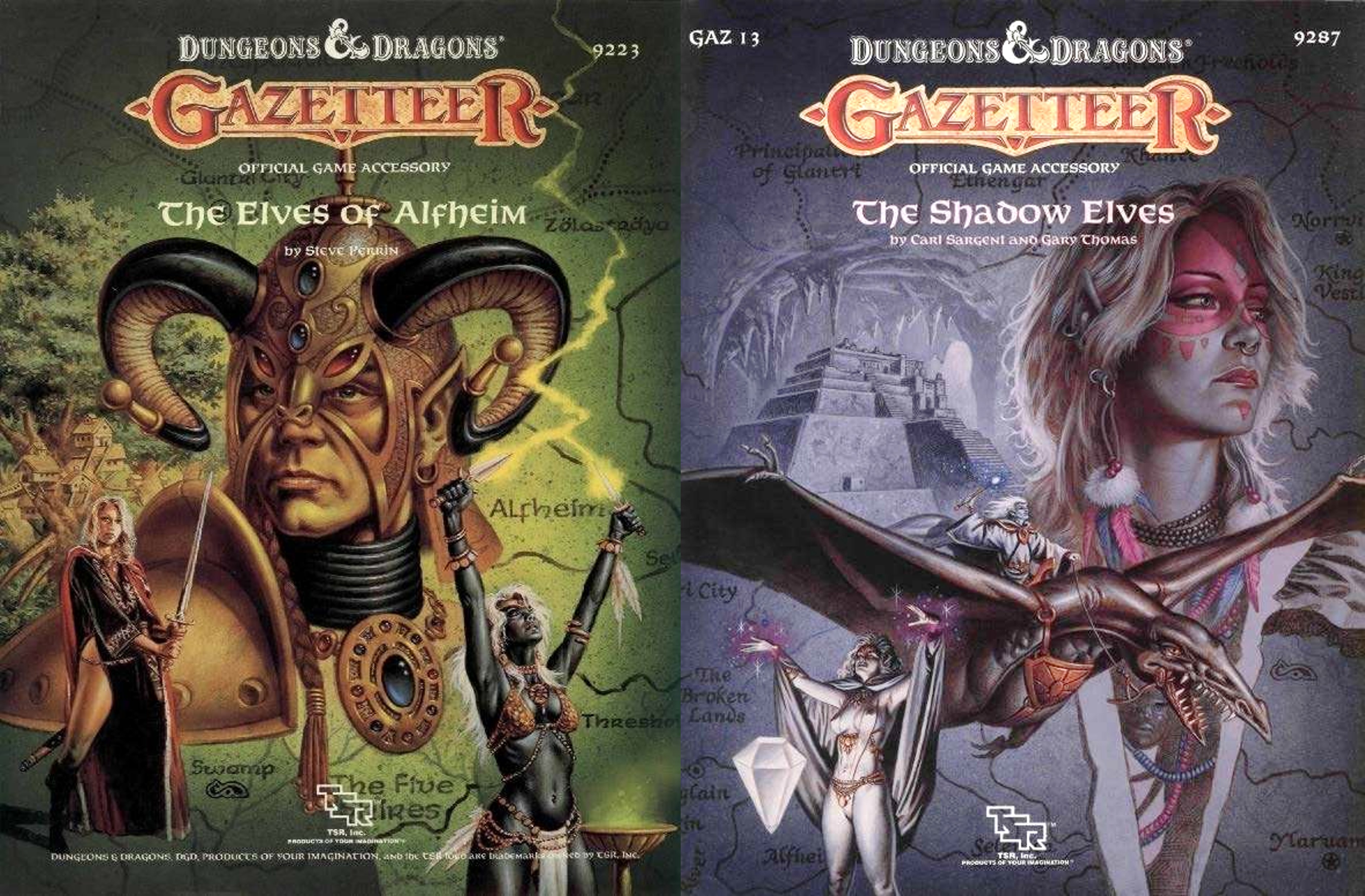
Caldwell is perhaps best known for his Ravenloft cover, featuring Strahd looking like a classic movie vampire, and that recognition is well deserved. But for me, he will always be the artist who drew the covers for my favorite series of supplements: the Gazetteer series.
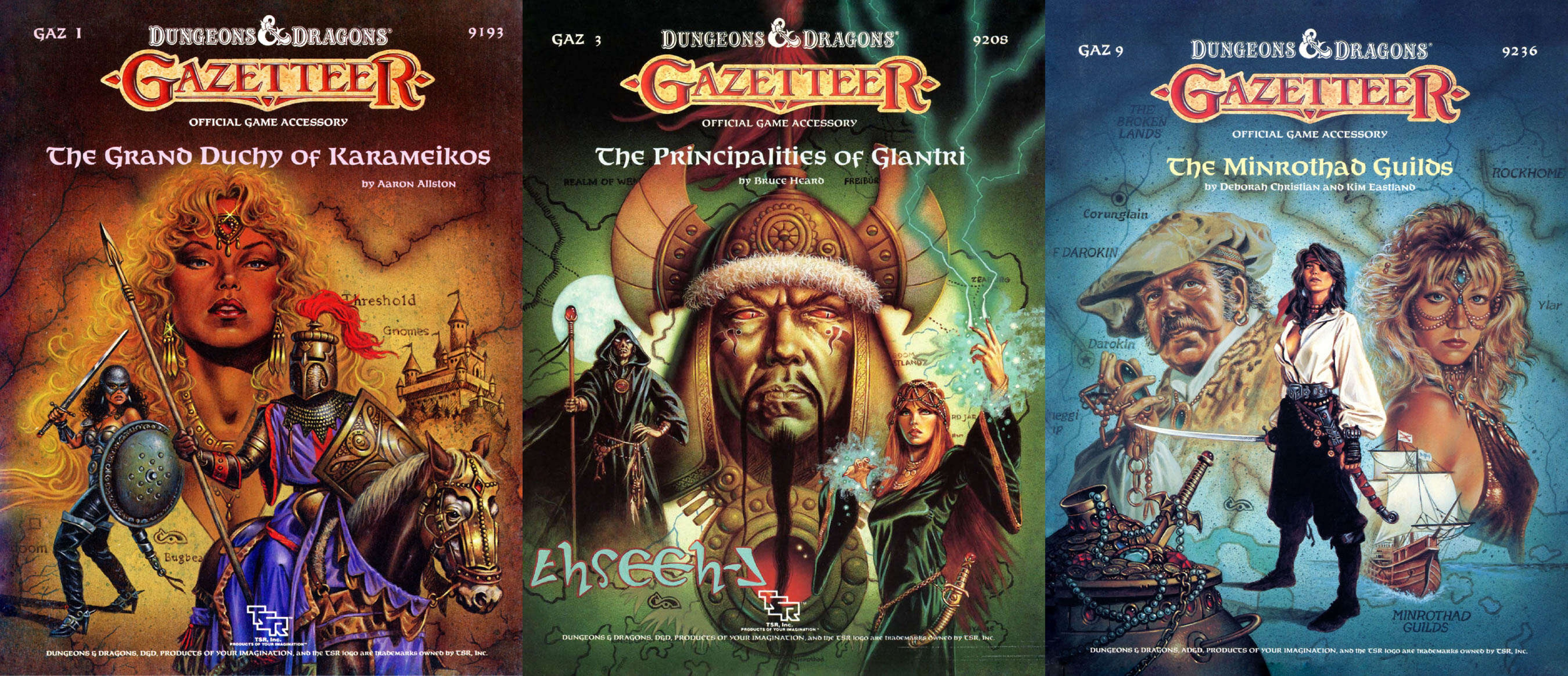
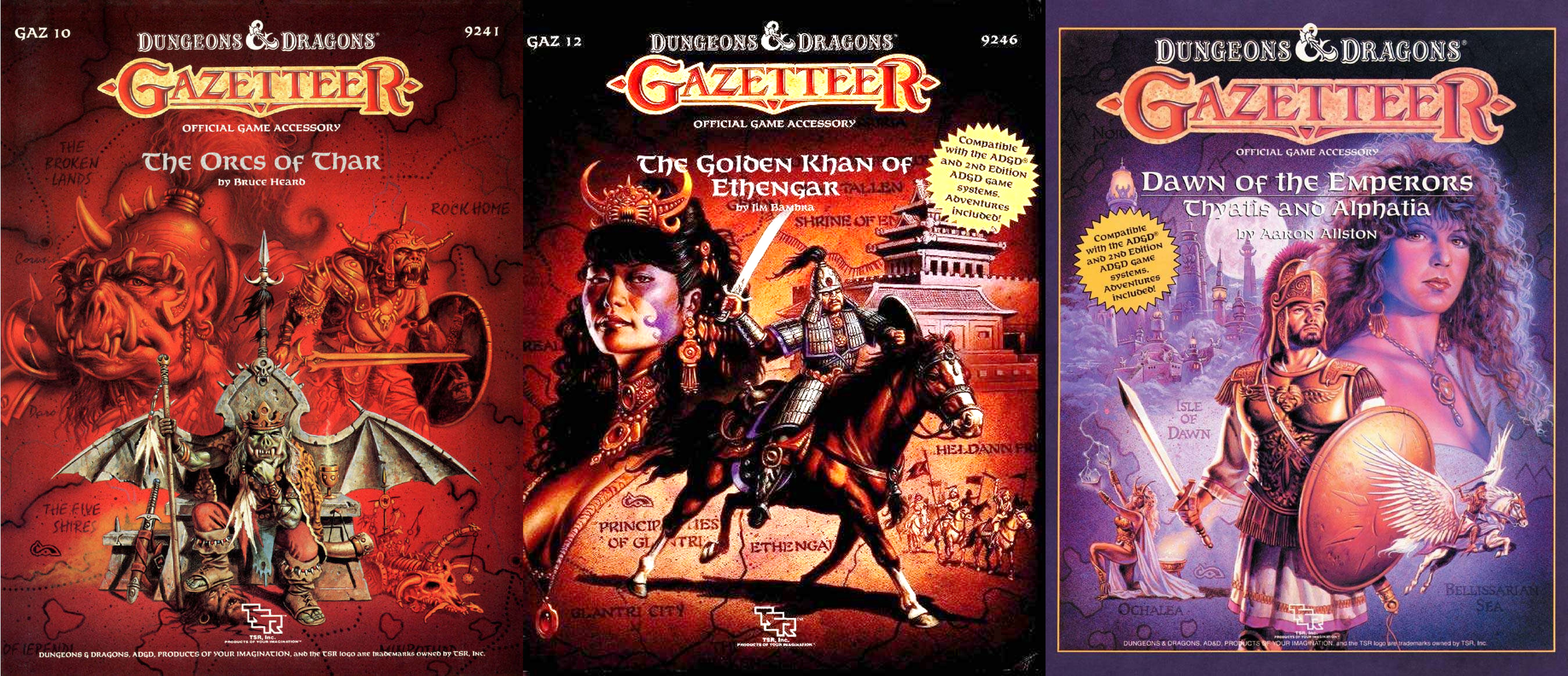
For me, his covers encapsulated what each region of the world represented, even if the Shadow Elf on the cover of the Elves of Alfheim was drawn as a Drow. Mistakes happen!
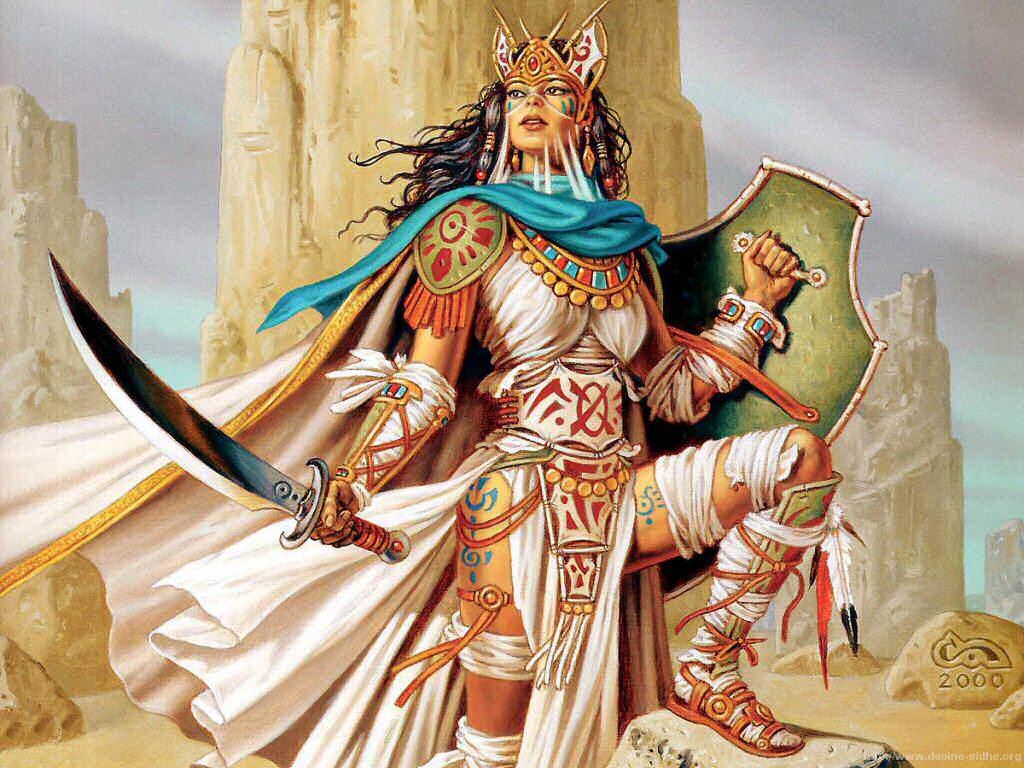
Later, his Resilient Wanderer art from Magic: The Gathering directly inspired the look of an entire culture in one of my campaigns.
Then there is…
Keith Parkinson
If Elmore was my favorite of the four as a young gamer, Parkinson would become my favorite of the four as an adult.
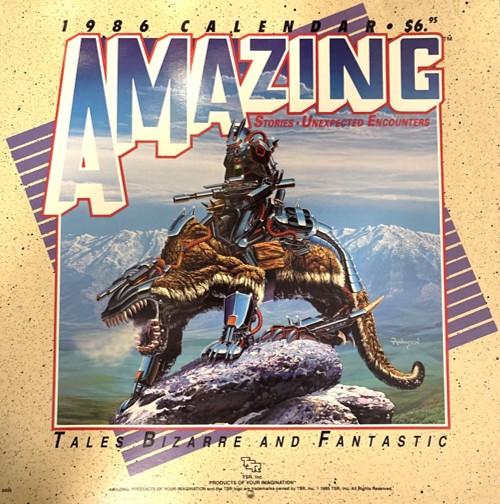
I actually saw his art before playing D&D, inside the Amazing Stories 1986 calendar I got in late 1985. It featured work from all the artists in this post. I remember staring at the art, trying to invent stories to match the scenes. While the fantasy art was great, it was the post-apocalyptic sci-fi (even if I didn’t know to call it that back then) that really caught my eye.

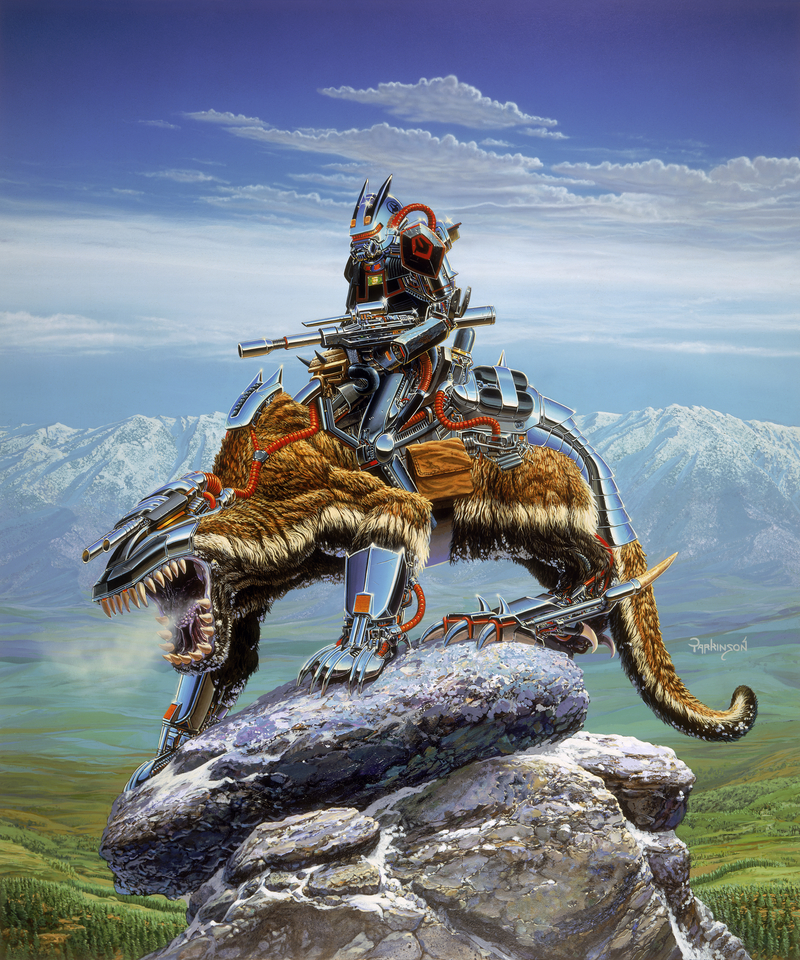
There was an Elmore piece (Epsilon Cyborgs from Gamma World, see above) and an Easley painting (The Fallen, featuring a man in power armor defeating a dinosaur while another attacks, an image I frustratingly cannot find anywhere online). But it was Parkinson’s art—the cover of the calendar, which would later become the cover of Gamma World 3rd Edition featuring the Ultimate ATV —that I remember most vividly.
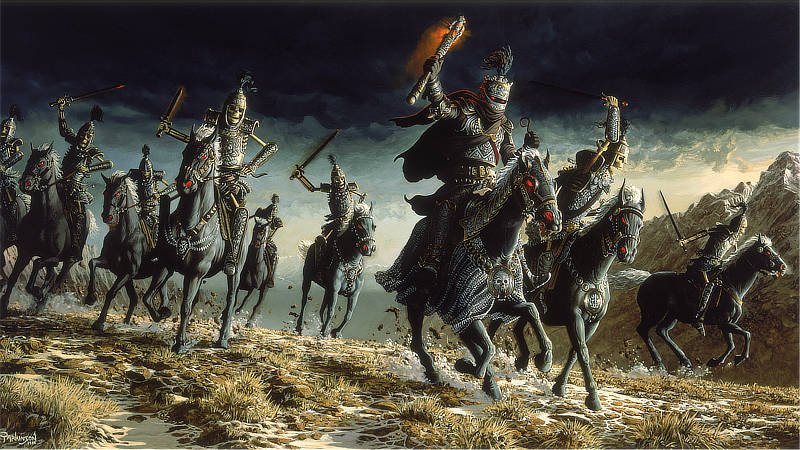
I absolutely love his fantasy work, too. Lord Soth’s Charge is amazing (and he remains one of my favorite D&D villains). The North Watch from Dragon magazine issue 137 is breathtaking.
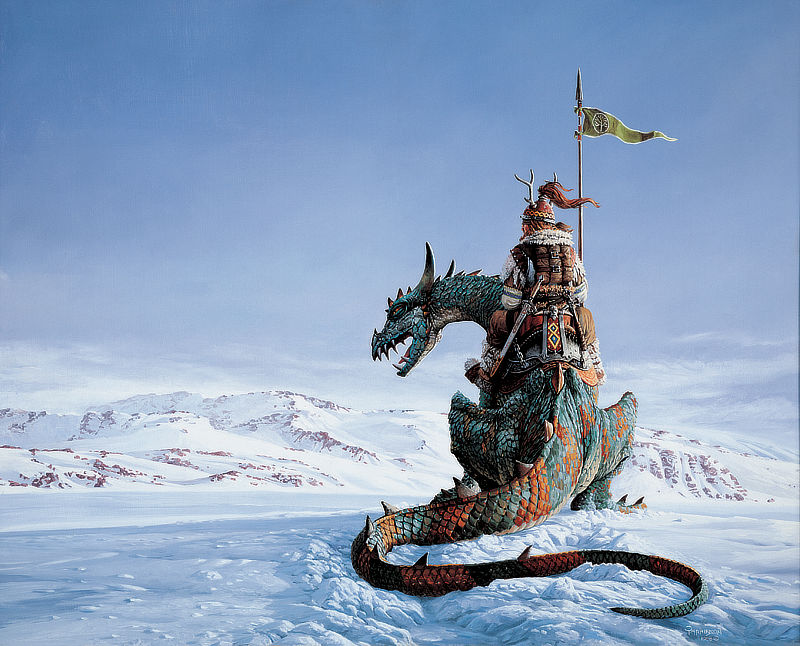
And, of course, the seven covers he did for the Death Gate Cycle books.
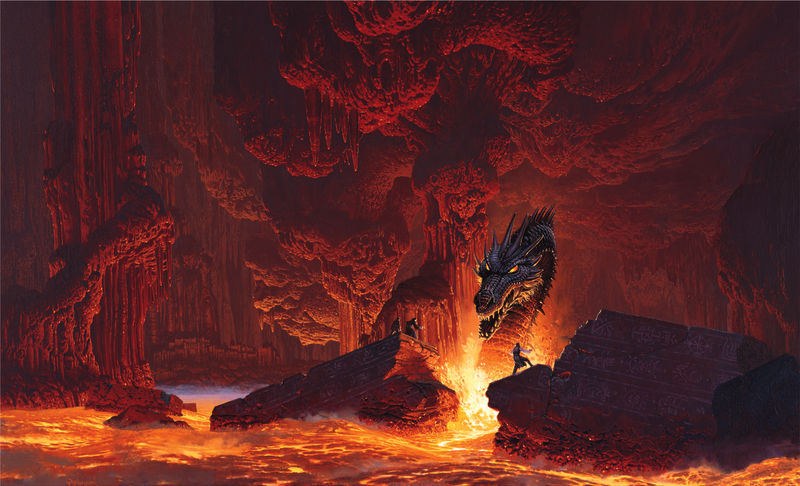
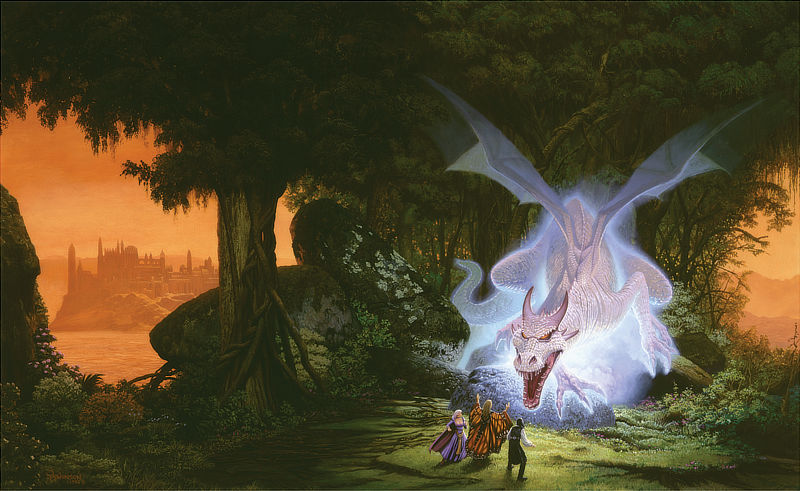
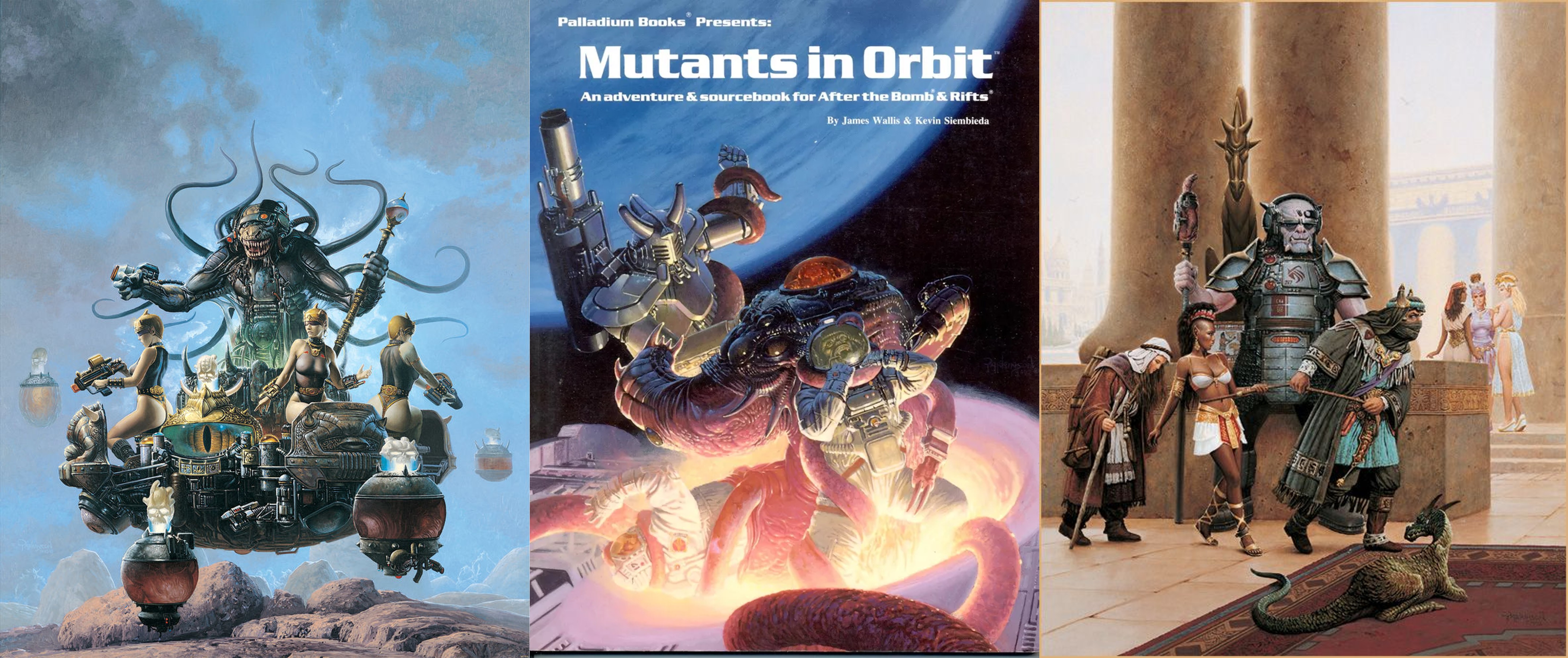
Then there are his Rifts covers! The original edition features the Splugorth Slaver, Mutants in Orbit, and Atlantis. I was a massive Rifts fan in the 1990s, and seeing his art in those books completely blew my mind.
Sadly, he passed away in 2005 at only 47 years old. But his art continues to inspire me today.
I love the work of all four of these artists. They were incredibly formative to me as a young fan of fantasy and sci-fi, and as a burgeoning Game Master. Even now, when a scene takes shape in my mind, when I describe a location or NPC to my players, or when I write about my campaign world, the images created by these four men shape my imagination. I am forever grateful for their art, which has so deeply enriched my life, and this hobby I enjoy so much.

I love all of these and it has been a pleasure to meet Larry and Jeff at various cons over the years.
Awesome, thanks for the comment!