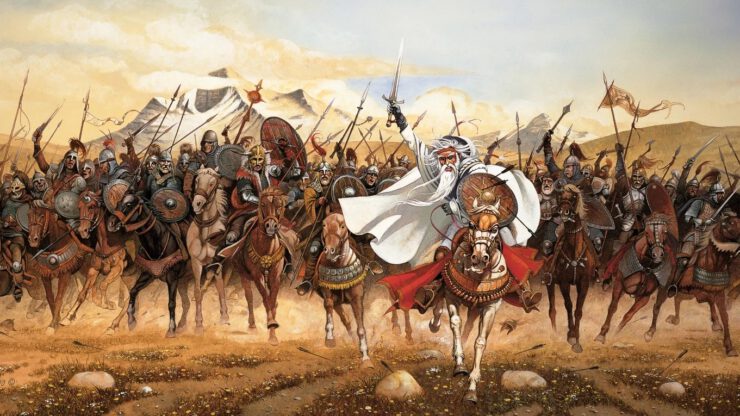
Chris Achilleos is another artist I discovered while working at Metro Comics. Two years before Mike Ploog’s trading card collection, which I mentioned in my previous post, the same company, FPG, published the Chris Achilleos Fantasy Art Trading Cards.
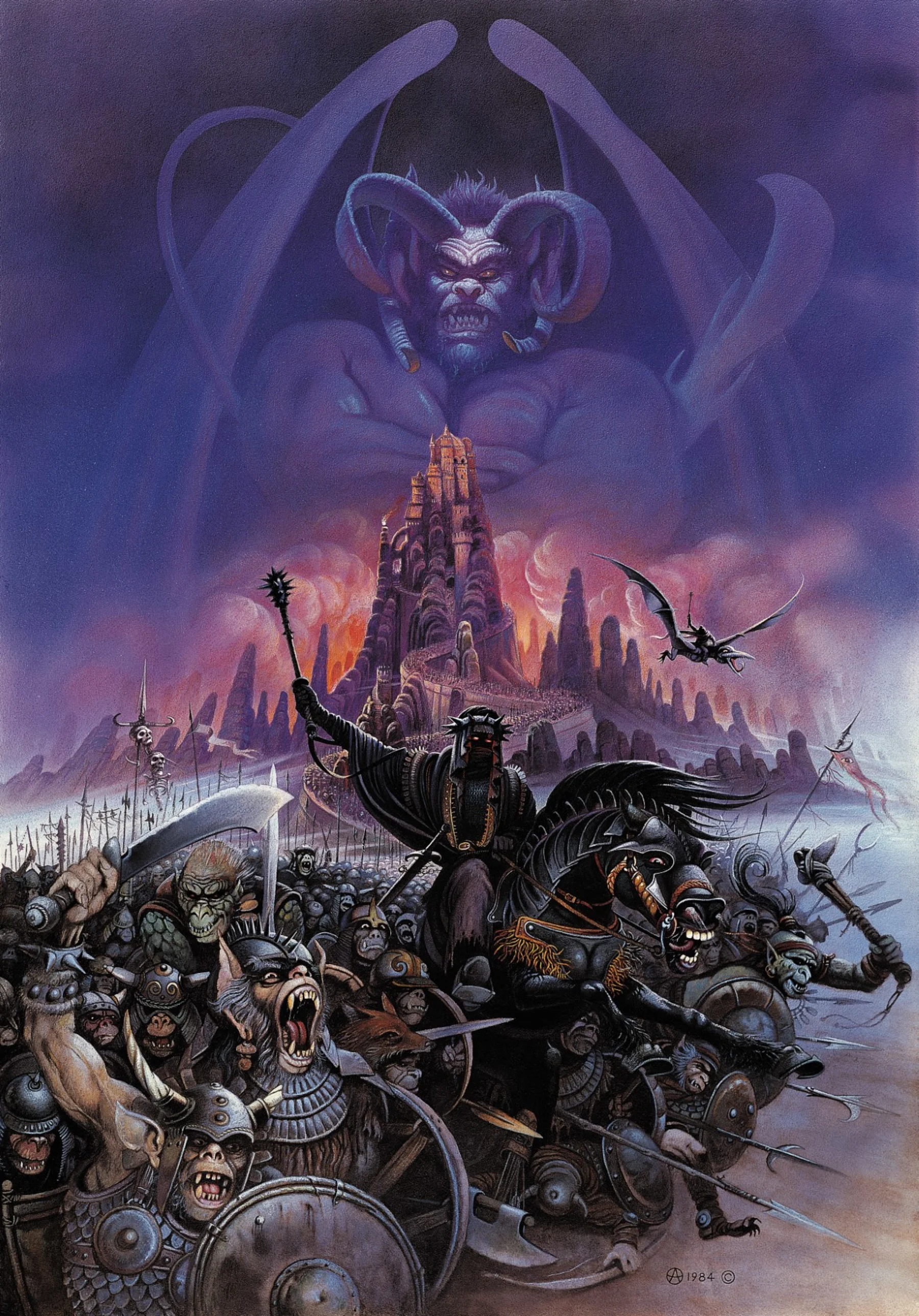
I don’t recall if I consciously knew Achilleos’ work before becoming obsessed with those cards. I had probably seen some of his Lord of the Rings pieces. I had definitely seen his most famous work—the Taarna Heavy Metal cover and the movie poster—on the record sleeve and later in other related media, but I had NO idea who the artist was.
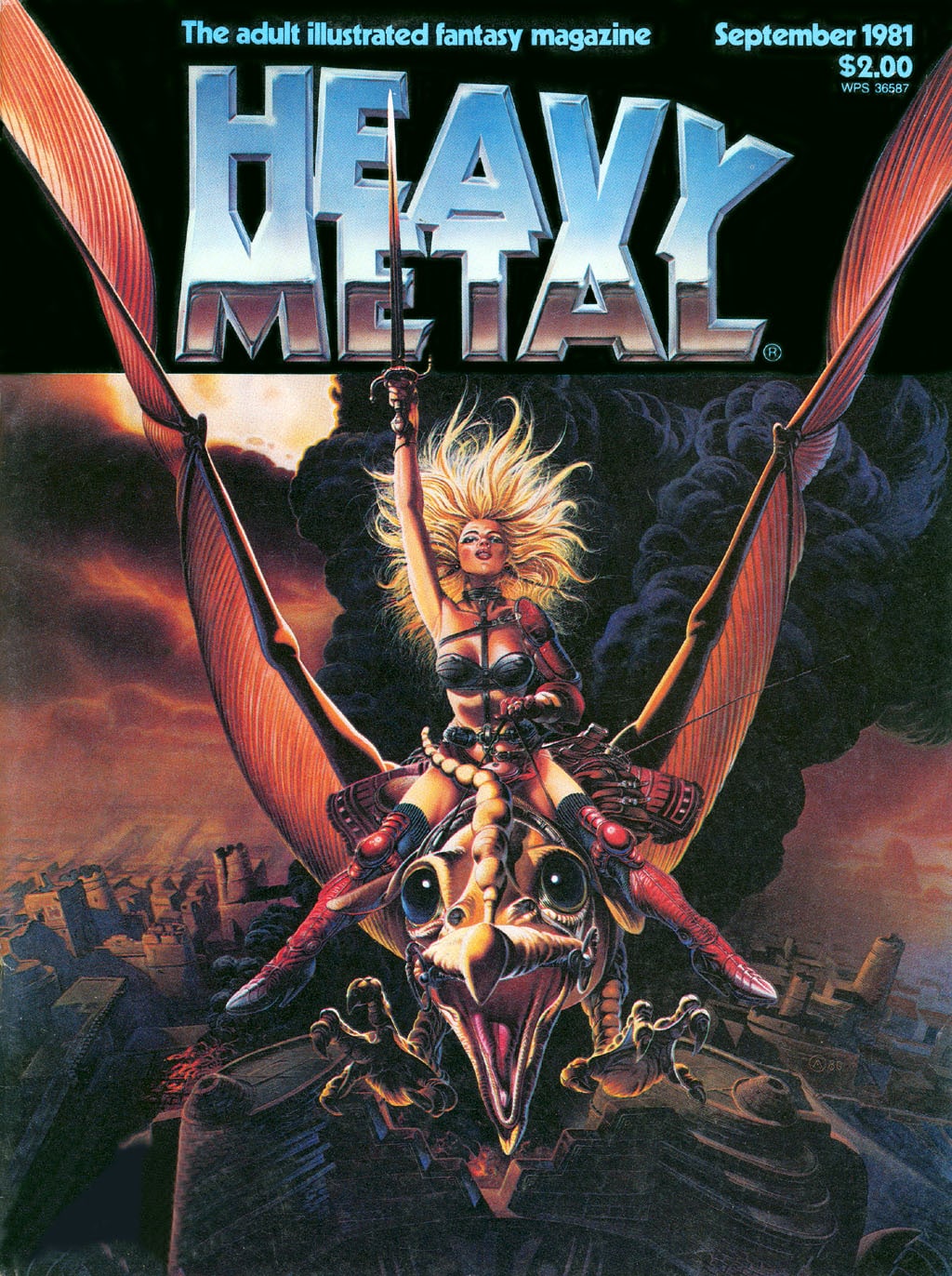
You can listen to the Heavy Metal soundtrack below:
When I finally discovered the depth and breadth of his work through that trading card set, I was blown away. This was amazing fantasy artwork, but it felt entirely different from the work of the typical D&D artists and other fantasy painters I grew up with, like Boris Vallejo or the Hildebrandt brothers. His work had this fine-art quality mixed with a fantastical allure that completely fired my imagination.
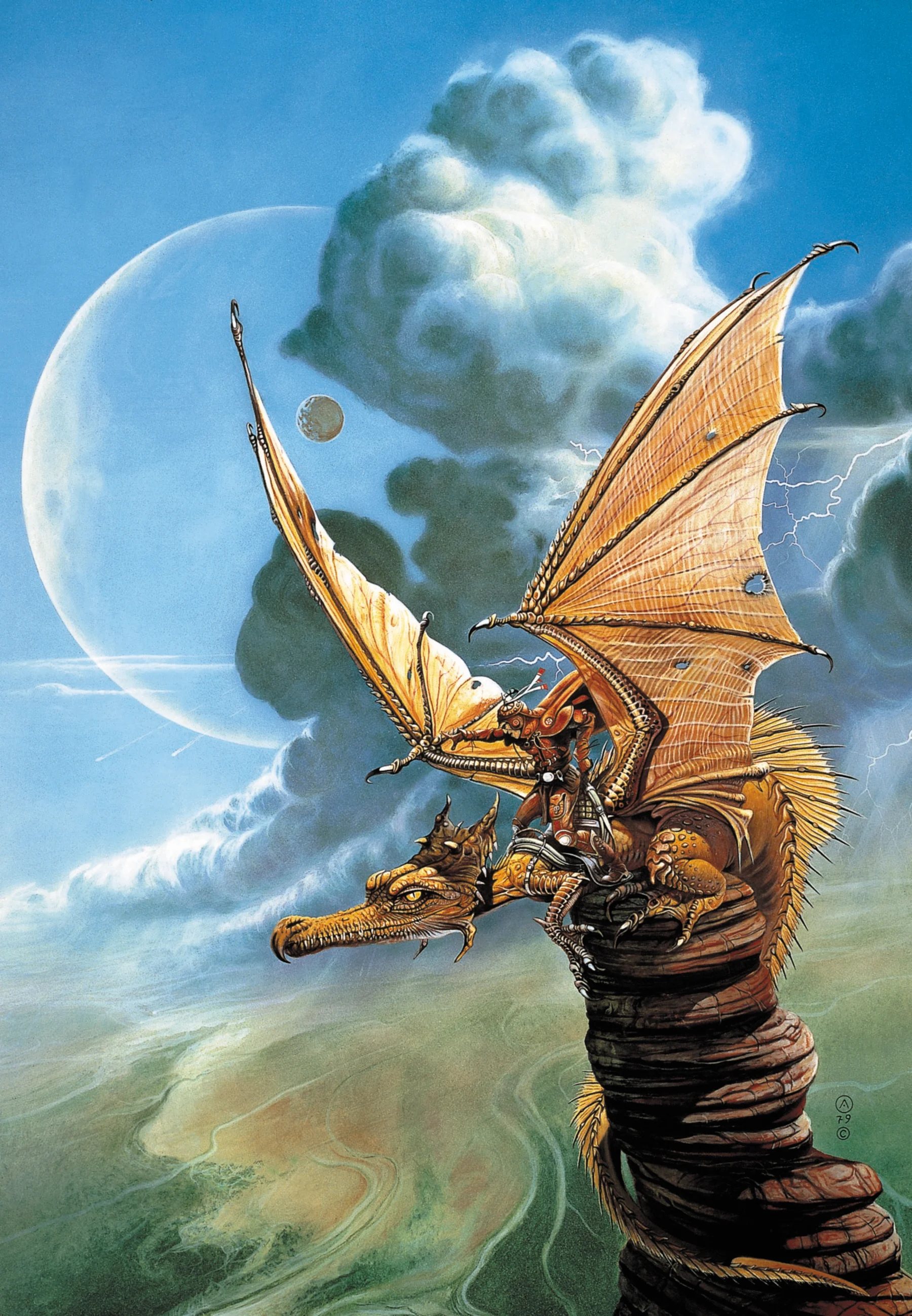
As I mentioned in my previous post, this was the early 90s. We didn’t have Pinterest. We were online, but we certainly didn’t have access to art and images the way we do now. Art books, calendars, and these trading cards were my absolute main points of reference and inspiration. The best part about the trading cards was their utility at the table: I could make notes about the campaign, a specific adventure, or an NPC, clip them to a trading card featuring the art that inspired that bit of worldbuilding, and then physically show them to my players during the game.
The timeframe when these two trading card collections came out—1992 to 1994, and the years immediately following—was a defining era for me as a Game Master. I was actively organizing my campaign world, my written adventures, and my GM notes. In fact, 1993 was the year I officially rebooted the homebrew world I originally created in 1987, turning it into the version we have been playing ever since.
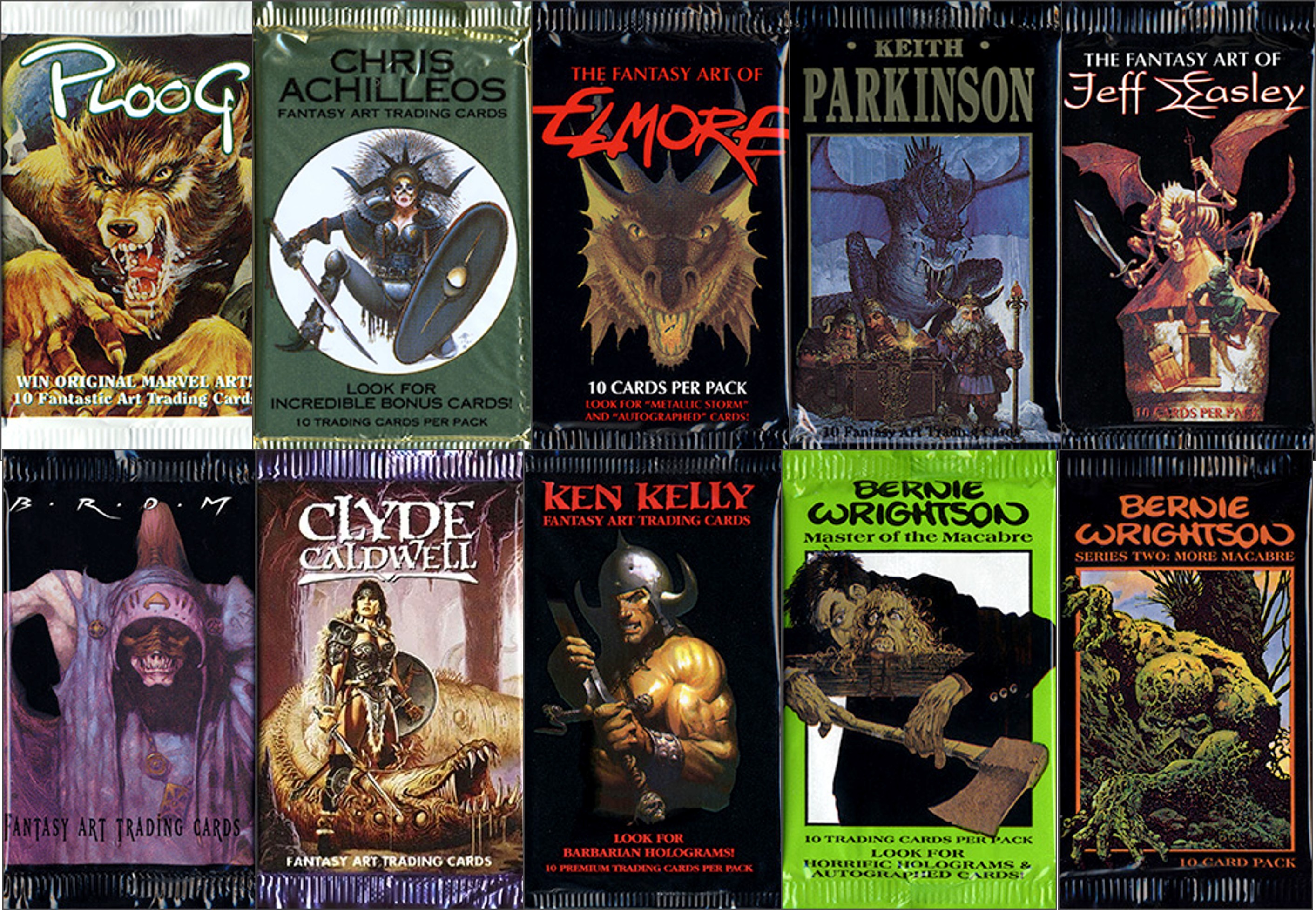
The Ploog and Achilleos trading cards, along with sets featuring legends like Elmore, Parkinson, Easley, Brom, Caldwell, Kelly, and Wrightson (some of those names might just pop up in future posts!), were a massive source of inspiration and reference throughout those formative years.
By the time I put together my first official, printed campaign handout for my players in 1999, I had already moved on to using desktop publishing tools and digital art. The physical trading cards started to see less use, and at one point, during a house cleanout, I ended up getting rid of many of them. The cards themselves might be gone, but the art and the artists I discovered through them continue to amaze and inspire my games to this day.
