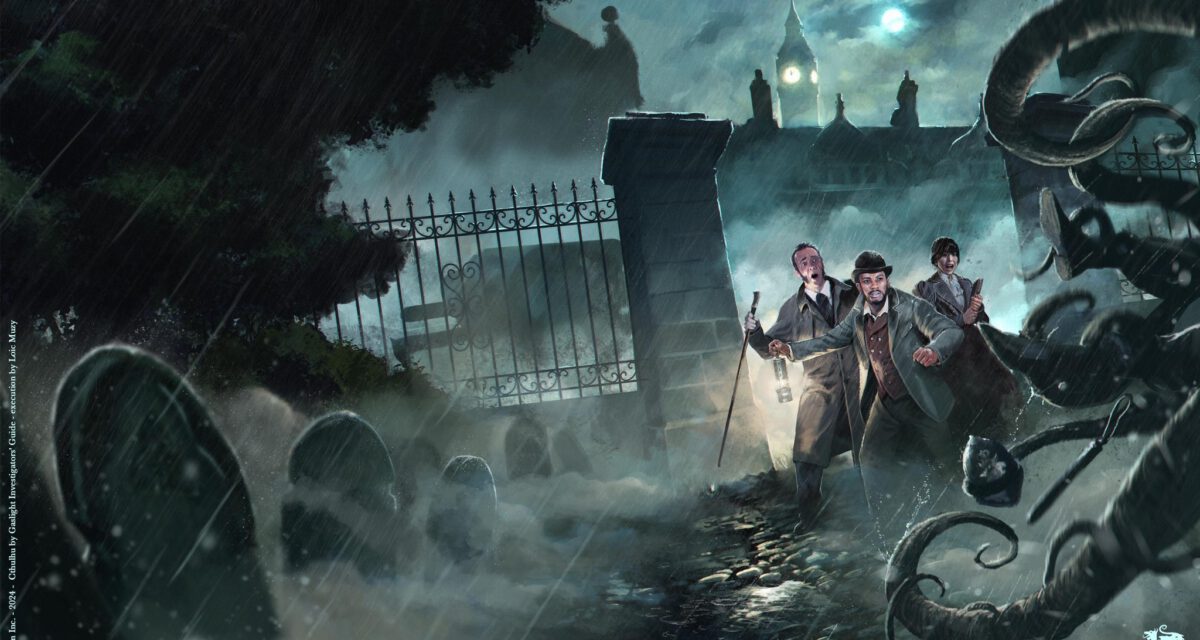
I am a big fan of the Victorian Era. This stems from my interest in the period, sparked when I encountered Space: 1889 as a teen, deepened by my fascination with the Ravenloft setting Masque of the Red Death, and carried into my graduate studies in British Literature. I am particularly fond of Cthulhu by Gaslight. I have the 2nd, 3rd, and current two-book editions. I don’t have a copy of the 1st edition boxed set, but I hope to get one! But let’s talk about the current edition of Call of Cthulhu (CoC) 7th Edition.
I got the two books, the Investigator’s Guide and the Keeper’s Guide, as a Christmas gift from two of my sisters-in-law (Thanks, Jeannice and Rosa). These books are great! Let me tell you why.
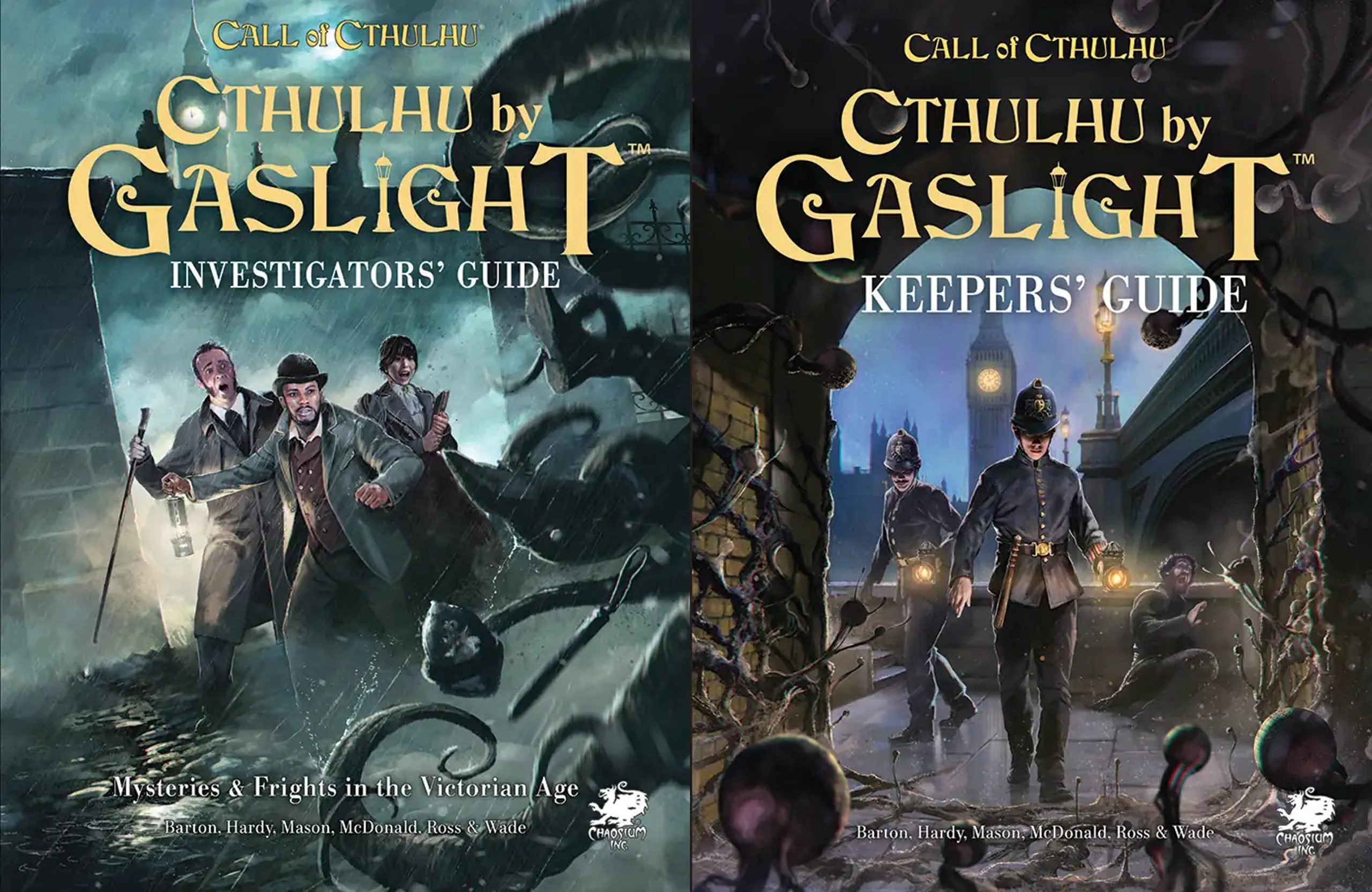
Splitting the line into two separate books—the Investigator’s Guide and the Keeper’s Guide—changes how much setting and mechanical weight enriches your game. Players get a book with no Keeper secrets to spoil anything, covering Victorian Britain from 1880 to 1899. It walks through social class, domestic service, policing, communications, London clubs and districts, and character generation.
A working-class investigator, like a chimney sweep or navy (a worker digging a hole in a public road), plays completely differently from an aristocrat or lady. Society keeps people in their lane. A sweep can get into a house through the flue or back door without raising eyebrows, while a lord sticks out in a slum rookery and gets hounded by gossip. The book also lays out Victorian occupations and skills, including setting-specific ones like Alienism and Mesmerism, plus notes for Pulp Cthulhu.
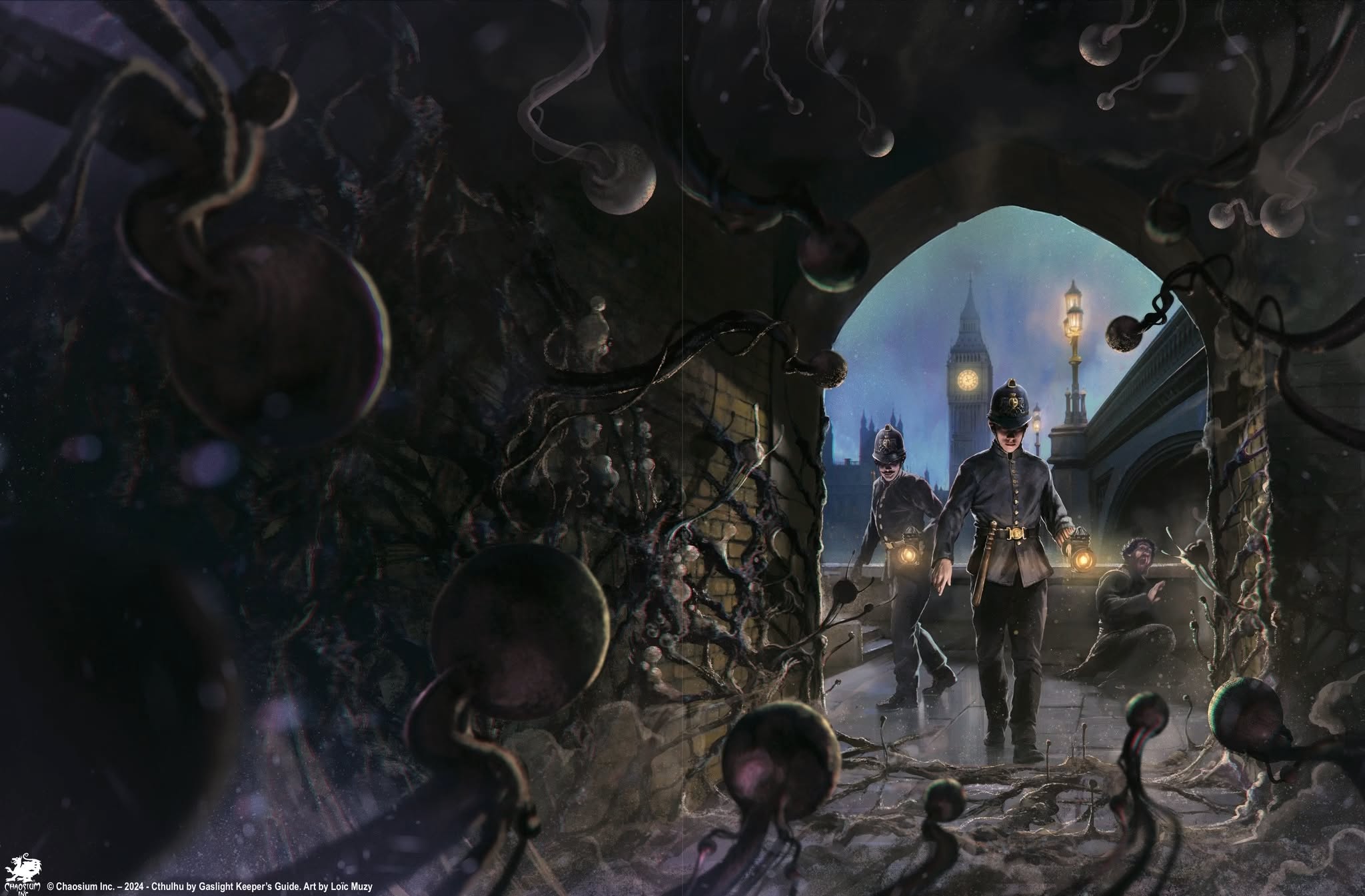
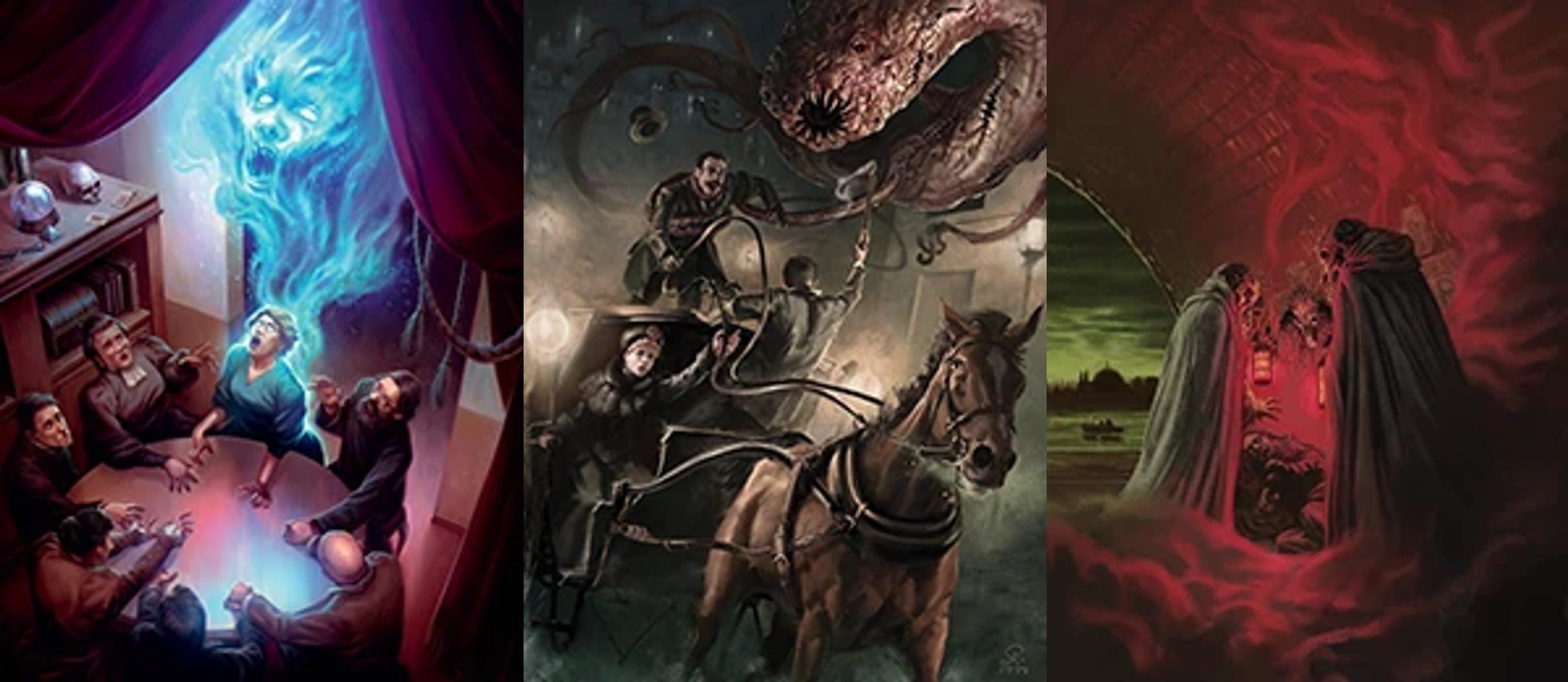
The Keeper’s Guide does the heavy lifting behind the screen. It expands on the darker corners of Victorian life—workhouses, prisons, asylums, and real-world crimes like the Jack the Ripper murders or H. H. Holmes (in case your investigators travel to Chicago). It gives you floor plans for country houses, London townhouses, middle-class villas, terraced housing, and workhouses. You also get rules for social class modifiers in conversation, gas leaks, pea-soup fog, carriage chases, and an optional reputation system.
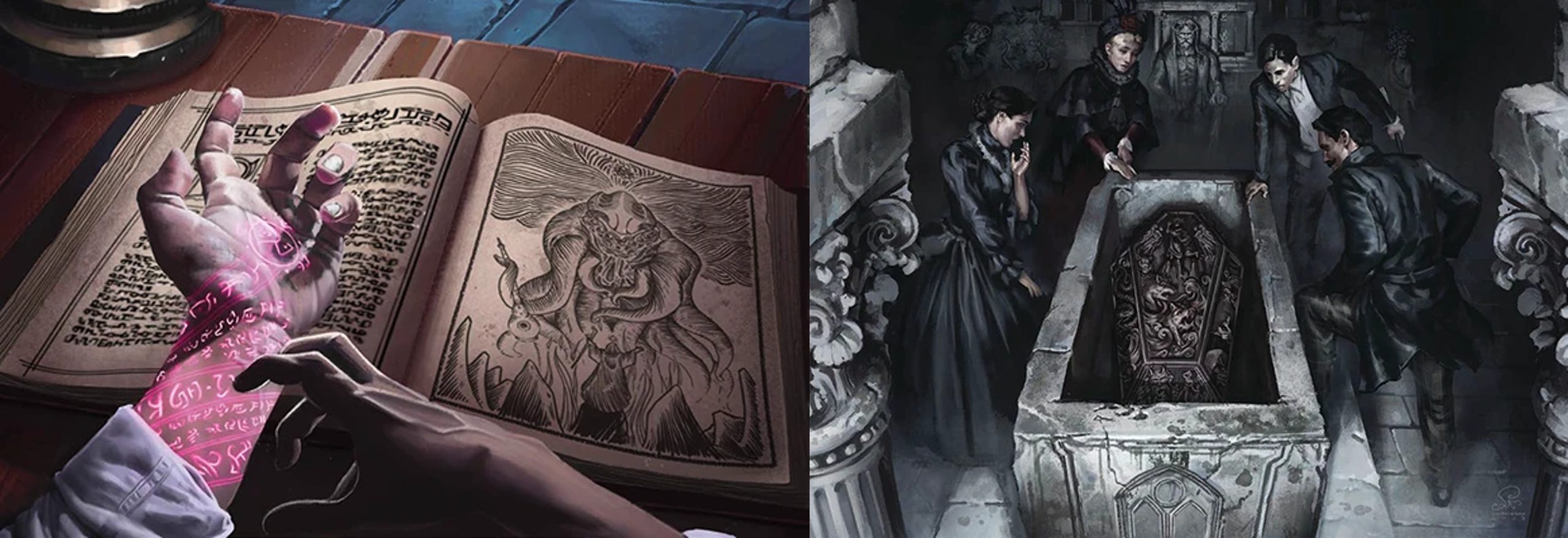
The book includes a solid breakdown of the Hermetic Order of the Golden Dawn, complete with grades, séances, astral travel and astral combat, astral predators and vermin, and a list of Mythos tomes suited to the era. Plus, you get two scenarios—The Forby Masterwork and Oranges & Lemons—alongside advice on running episodic, character-based, or plotted campaigns.
For a Game Master, this stuff is gold to mine even outside Call of Cthulhu. That rookery encounter table, the carriage chase rules, the notes on British folk horror versus American wilderness dread, and factions like the Hatfield Club, the Morley Gang, or the Servants of the Empire can easily be pulled into other systems or historical games. Even if you never run a single session of 7th Edition, the historical texture and adventure seeds give you plenty of hooks to steal.
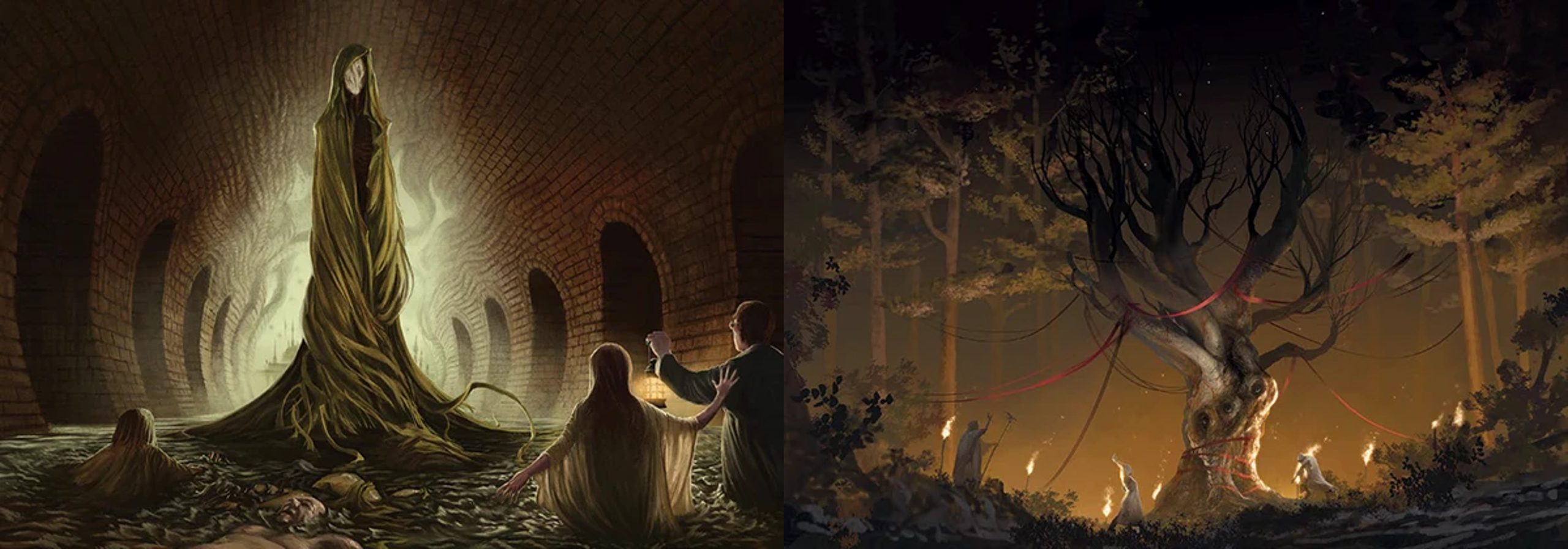
While I love the Cthulhu Mythos and CoC, I haven’t run the game in years. However, I have used CoC books to play Amazing Adventures, Silent Legions, and Eldritch Hack. While these books are made for CoC and its rules, I can certainly see myself using them in other mythos-inspired games.