Back in July 2010, I wrote a post right here on Stargazer’s World about how comic books were a parallel passion of mine and how deeply they influenced my role-playing games. As I’ve been putting together this “40 Years a Gamer” retrospective, I realized I needed to revisit that topic. It’s easy to list movies or literature as the main drivers of fantasy gaming. Still, for me, comic books provided a visual, episodic template that directly translated to how I ran my campaigns. The pacing, the larger-than-life characters, and the shifting status quo were exactly what I wanted to replicate behind the GM screen.
Over the past couple of weeks, I’ve been sharing these inspirations in a series of social media posts on my Facebook Page, Sunglar’s Musings. Now, I want to collect them all here into one definitive list, creating a full picture of the panels and pages that inspired my gaming over the last four decades.
The Fantasy Cornerstones
If we’re talking about the absolute bedrock of my fantasy gaming, three works shaped my love for the genre: Tolkien’s books, the Dragonlance Chronicles, and Elfquest. I discovered Elfquest through the Starblaze Graphics collections, and Wendy and Richard Pini’s work defined my conception of elves, trolls, and faeries (the Preservers in the comics) more than Professor Tolkien ever did. It gave me a template for the exact sort of fantasy story I love to tell: stories about family, love, epic themes, and, most importantly, a narrative that can have closure for some characters. At the same time, new adventurers face new challenges in a living world—a lot like a TTRPG campaign. Chaosium even published an Elfquest TTRPG in the 80s, and they crowfunded a deluxe edition a few years back.
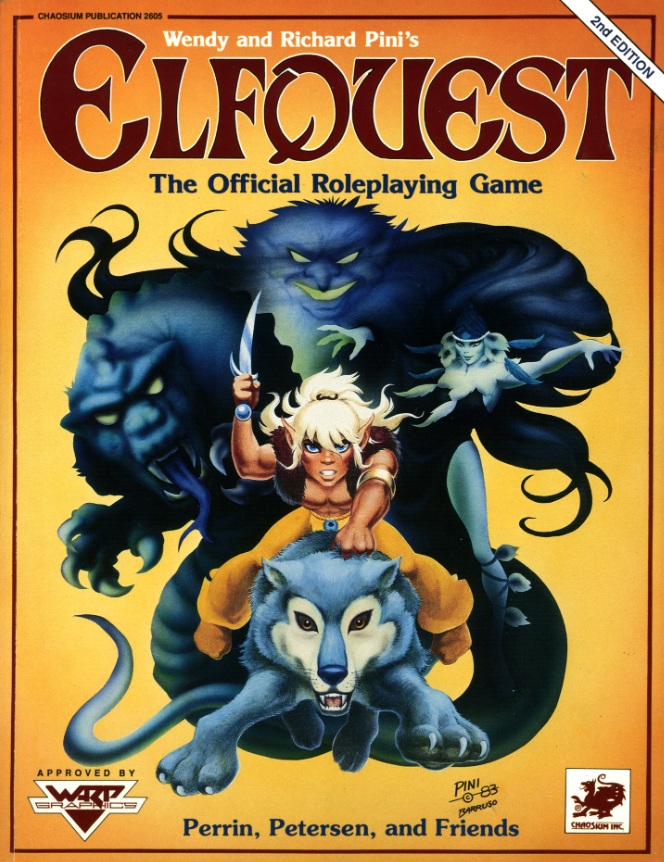
You can read the Elfquest comics online here: https://elfquest.com/reading-room/
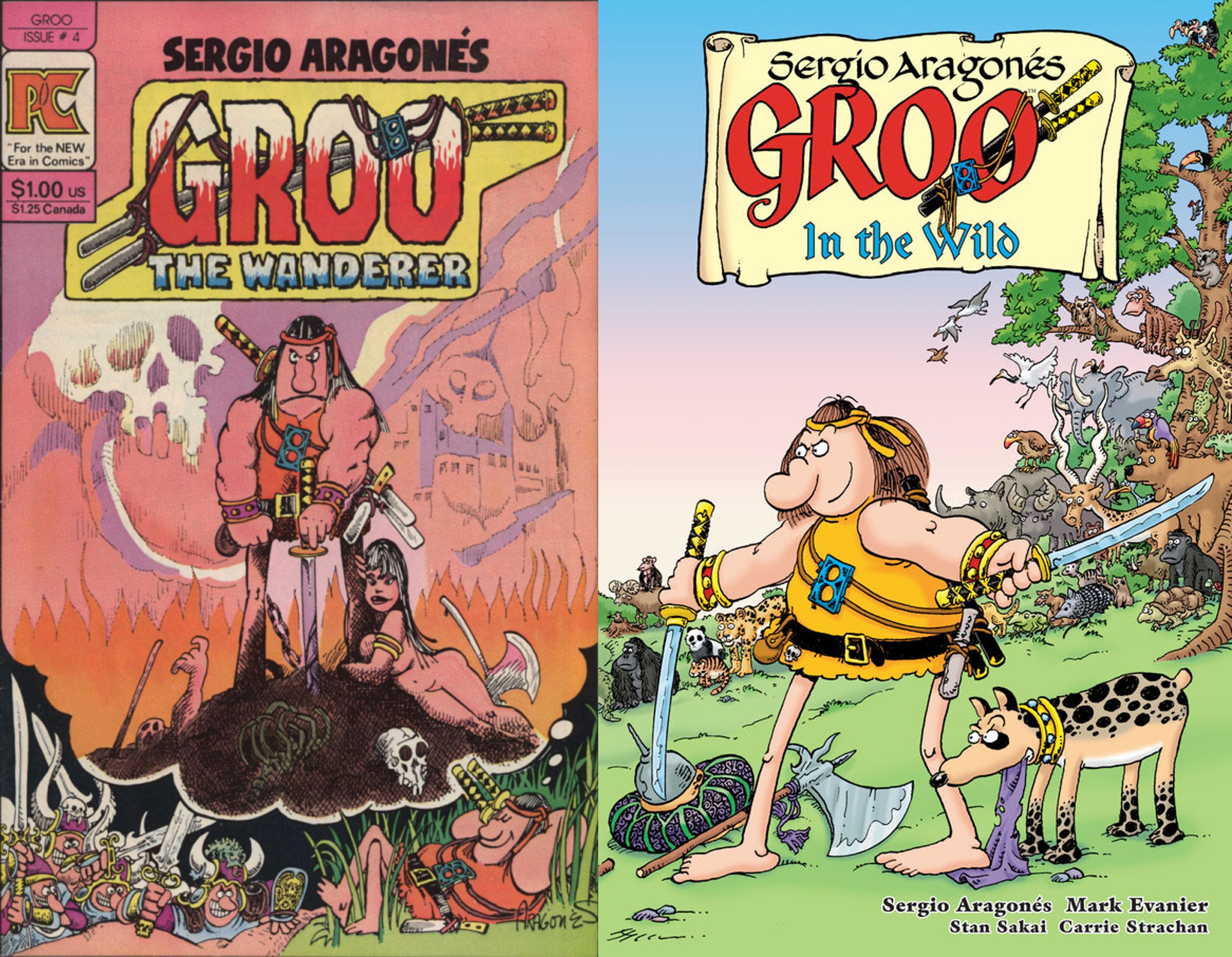
Then there is Groo the Wanderer. This may seem like an odd choice, but hear me out! Groo is a hilarious comic by the legendary Sergio Aragonés that brilliantly pokes fun at fantasy barbarians and countless other genre tropes. I discovered Groo directly from the creator himself while visiting a comic shop in NYC back in the 80s. He heard me speaking Spanish with my mom, called me over to his table in the back of the store, and we started chatting. I left that day with the original eight Pacific Comics issues and have been reading Groo ever since. In high school, I would sit in class and scrawl Groo’s stats in the margins of my notebooks for whatever RPG system I was playing. While I never officially introduced Groo into a campaign, his incredible cast of supporting characters provided ample inspiration for NPCs in all my games—especially The Sage, Chakaal, and Taranto. I did include a lost dog named Rufferto looking for his master in a game once, though! There should always be a little room for fun and absurdity in our fantasy games, and Groo is the perfect reminder of that.
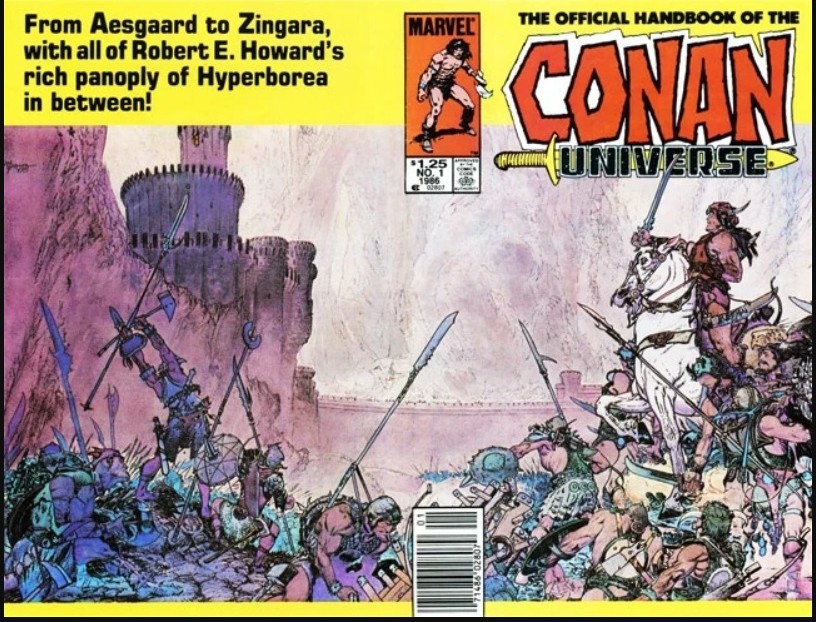
Rounding out my early fantasy influences are Marvel’s adaptations of Robert E. Howard. I first knew Conan through the 1982 movie, which I talked my paternal grandfather and uncle into taking me to see on a summer trip to NYC. But I really got to know the mythos through the comics. In December 1983, I got my first issue, Conan #156. Soon, I was buying Savage Sword of Conan, King Conan (which shaped my ideas of domain-level D&D play), and Red Sonja. Sonja was such a strong lead that I based a major rebel leader NPC on her in my 1993 AD&D 2nd Edition homebrew; her descendants are still part of my campaign world today. And I must mention The Official Handbook of the Conan Universe. I read it repeatedly, and its format influenced how I organize my own campaign materials.
Swords, Sorcery, and the DC Universe
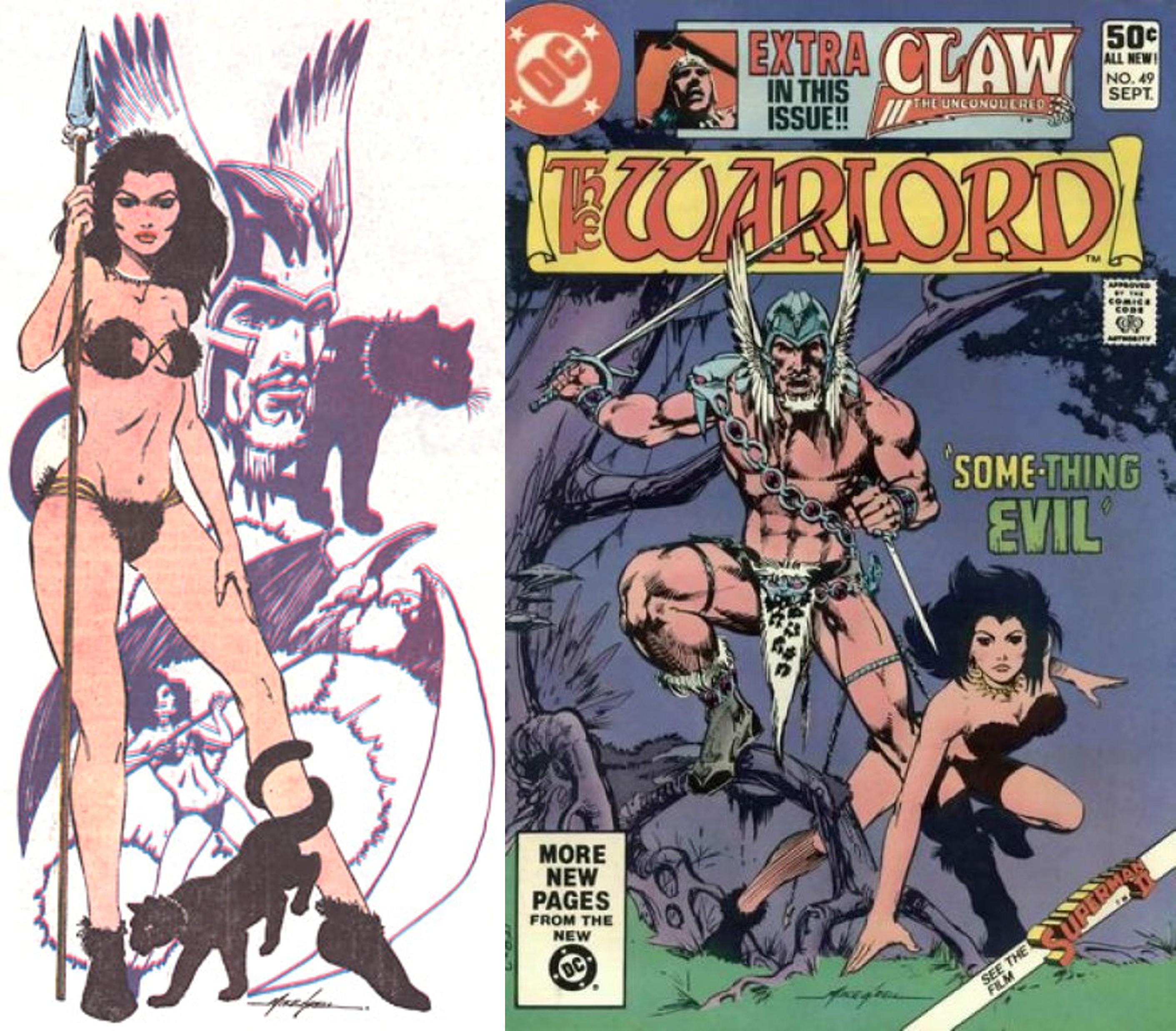
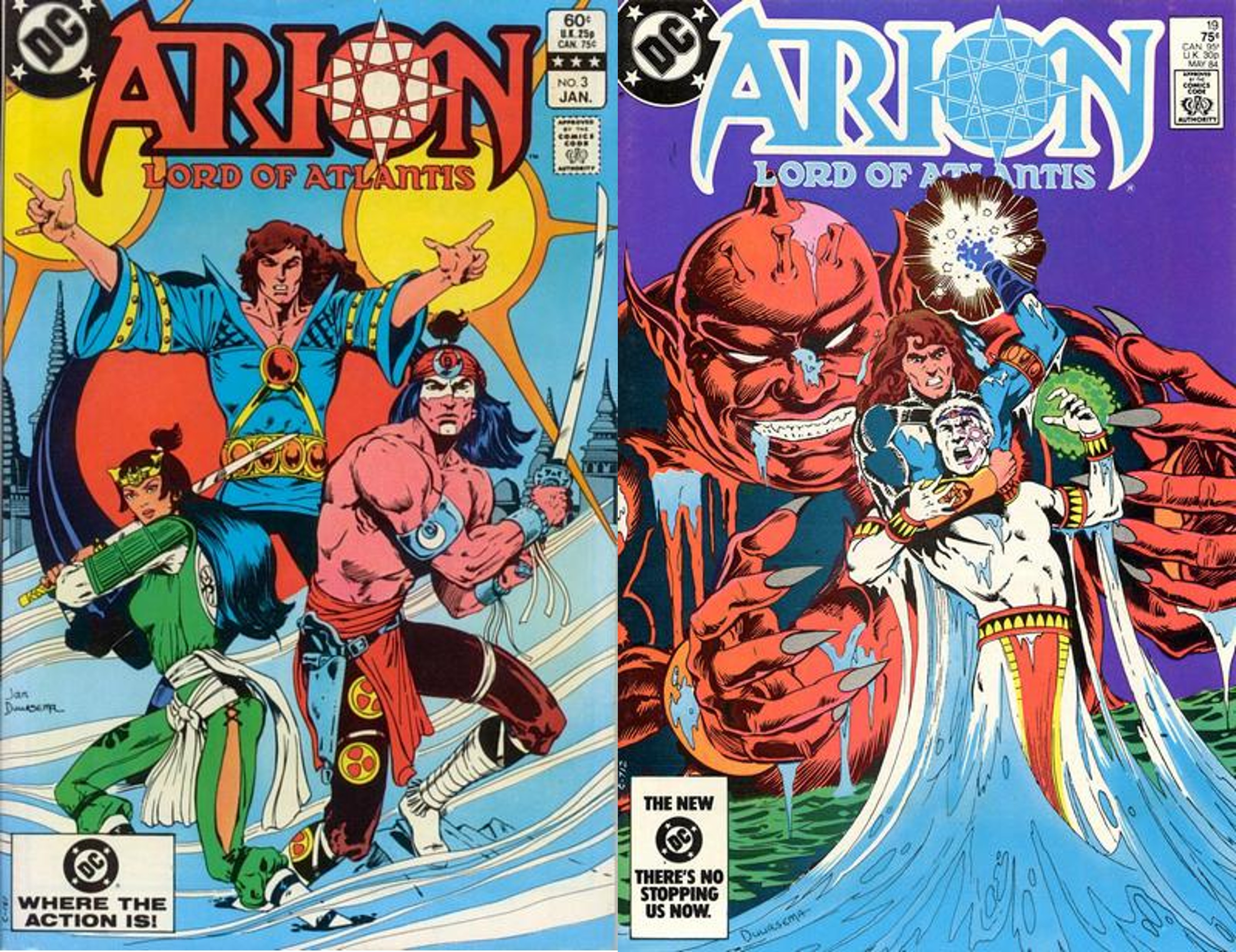
Over at DC, Mike Grell’s The Warlord and Paul Kupperberg and Jan Duusrsema’s Arion, Lord of Atlantis were massive for me.
My mom picked up back-issues of The Warlord on a business trip, along with a huge stack of Rom Spaceknight. I first read the adventures of Skartaris completely out of order. Still, the sword-and-sorcery elements hit so hard that in the summer of 1988, I based a homebrew NPC named Janna directly on Shakira the werecat. Janna became the love interest of Ranger Oliver (whose player was a big Green Arrow fan, particularly The Longbow Hunter, tying it right back to Mike Grell!). She was the daughter of the Cat Lord (remember him in Monster Manual II?). Eventually, she replaced her father and became the mythical ruler of all felines in my campaign.
Arion gave me a different perspective. Arion’s battle against the Lords of Chaos to protect Atlantis gave me an immediate, tangible reference point for the Law vs. Chaos alignment conflict in D&D, long before I ever read Michael Moorcock’s Elric, or learned about Poul Anderson’s influence on the development of the alignment system for D&D. I also loved the post-Crisis on Infinite Earths connections to DC lore, the Lords Chaos and Order in the DC universe. Then there is the fact that Arion’s co-creator, Jan Duursema, illustrated the original AD&D comic. Another gaming connection!
Sci-Fi, Aliens, and the Apocalypse
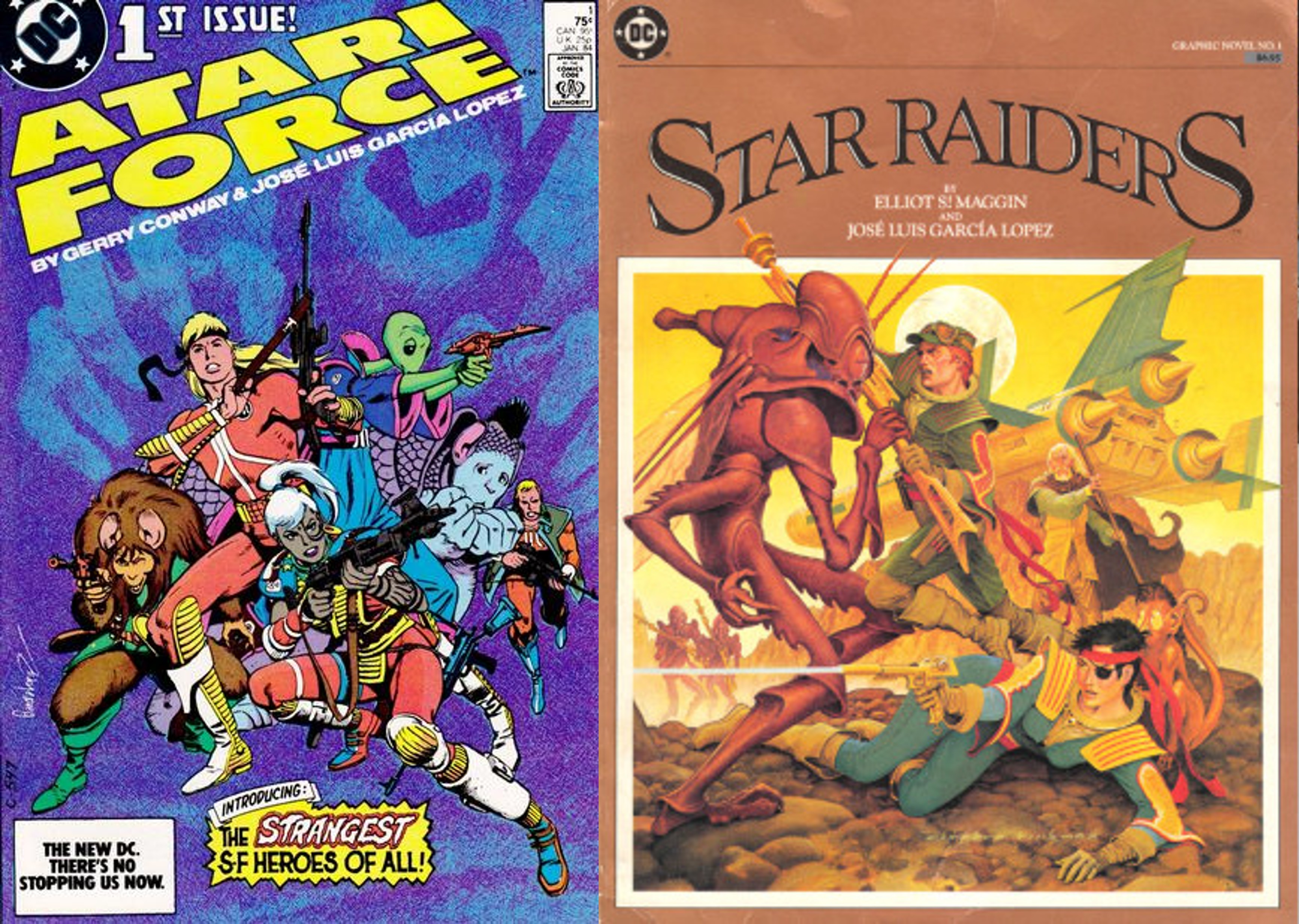
My sci-fi gaming drew heavily from a few specific series. First up is Atari Force. I discovered the universe in the mini comics tucked inside Atari cartridges. Still, it was the comic book series and graphic novel illustrated by José Luis García-López that truly inspired me. Many of the comic’s characters became NPCs in my high school Star Frontiers campaign and later campaigns. Some elements from the comics and the visual aesthetics still influence and inform my sci-fi games, including the Wanderers of the Outlands and the Stars Without Number campaign.
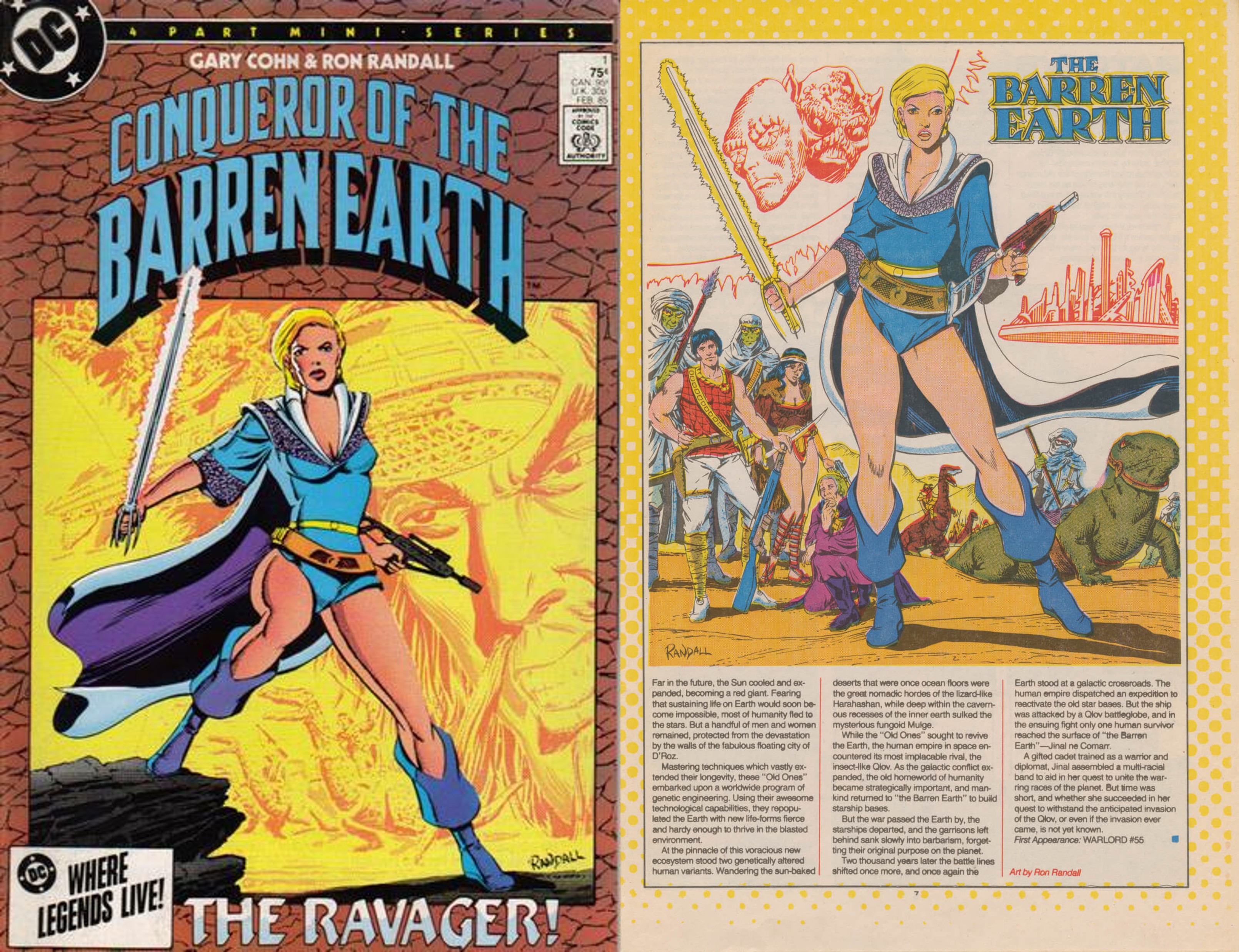
Conqueror of the Barren Earth started as a backup feature in The Warlord before getting its own four-issue mini-series. Eleven-year-old me loved this post-apocalyptic mash-up of sci-fi and fantasy. With its strong female lead, Jinal Ne’ Comarr, it became a huge reference point for me when I eventually discovered games like Gamma World and Rifts.
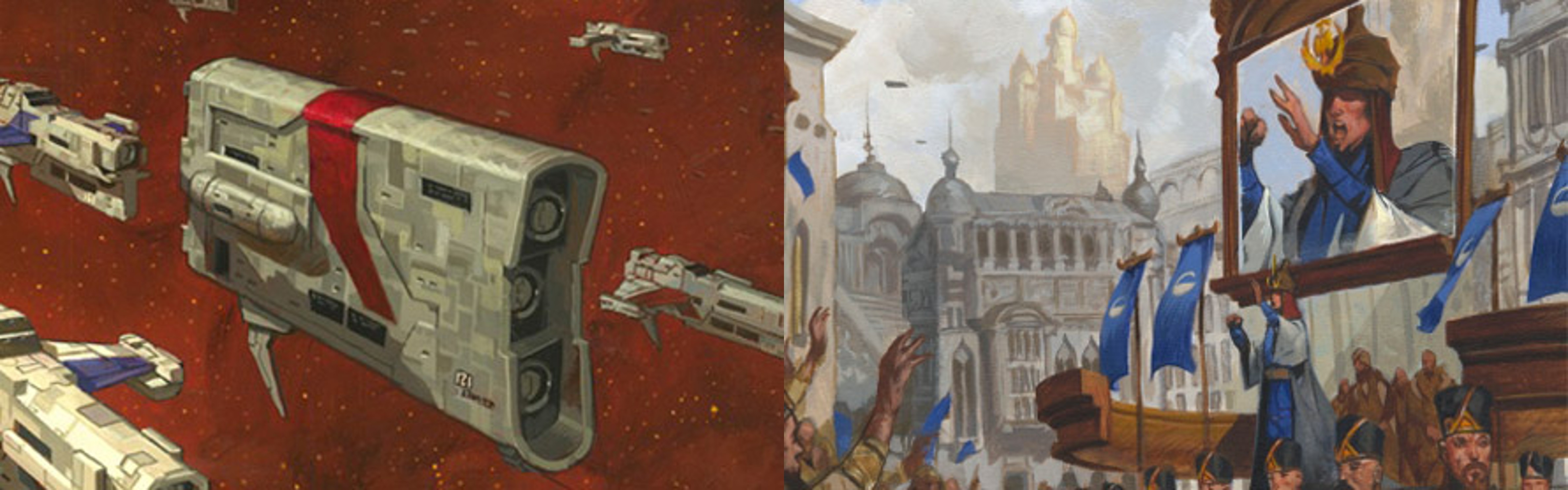
For the Alternity and dX campaigns I ran in the late 1990s and early 2000s, Christopher Moeller’s beautifully illustrated Iron Empires series was hugely influential. Only the first two books, Iron Empires: Faith Conquers and Sheva’s War, were out when I ran those games, but I now own all three, including volume 3, Void. There is even a TTRPG for the setting called Burning Empires, based on the Burning Wheel system. I once walked all the way across Manhattan to get a copy of it at The Complete Strategist, but I still haven’t played it!
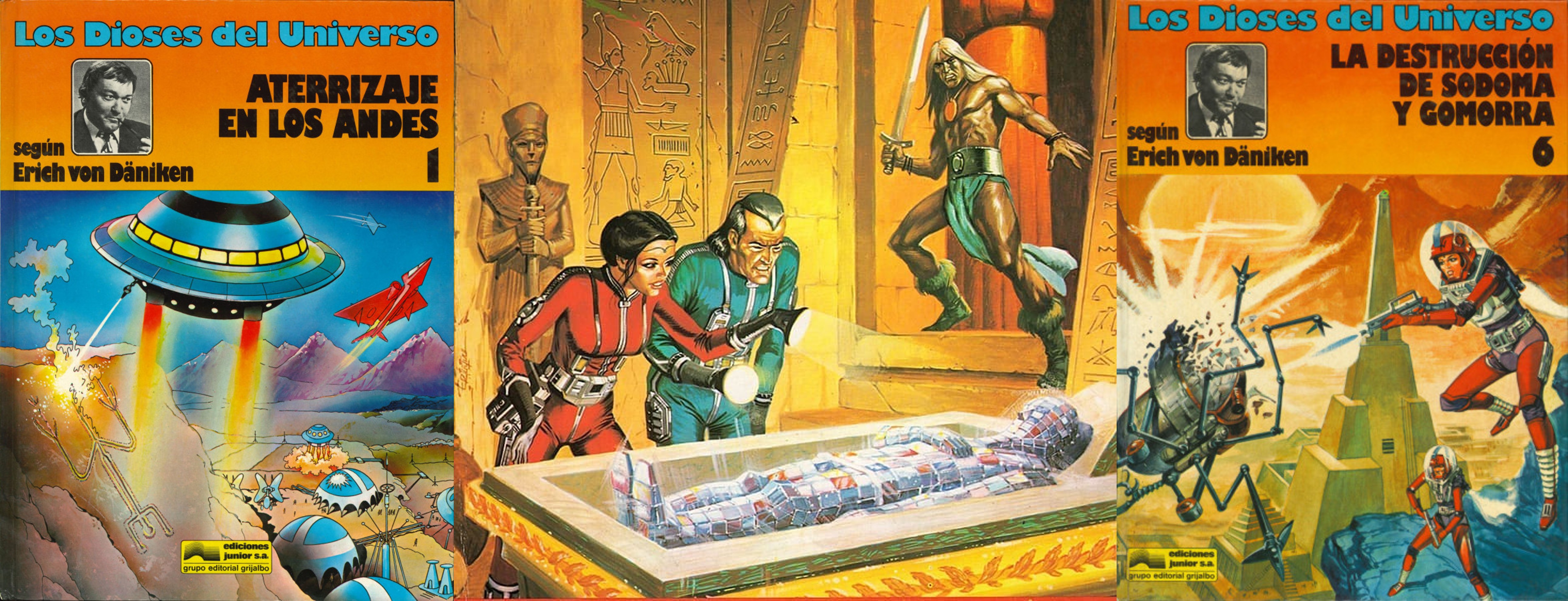
On the weirder side of the spectrum, I devoured the Spanish editions of Gods from Outer Space (Los Dioses del Universo) when I was nine. Let’s be clear: the book these comics are based on, The Chariots of the Gods, is unscientific, Eurocentric hogwash that minimizes the achievements of other cultures. But as a kid, I knew nothing about that. They were just wild ideas that fascinated me and informed my early TTRPG worldbuilding. Today, I sometimes go back to those concepts at the table, but those meddlesome creatures from beyond the world are now cast firmly as oppressors and antagonists.
Superheroes, Cyberpunk, and Pulp Action
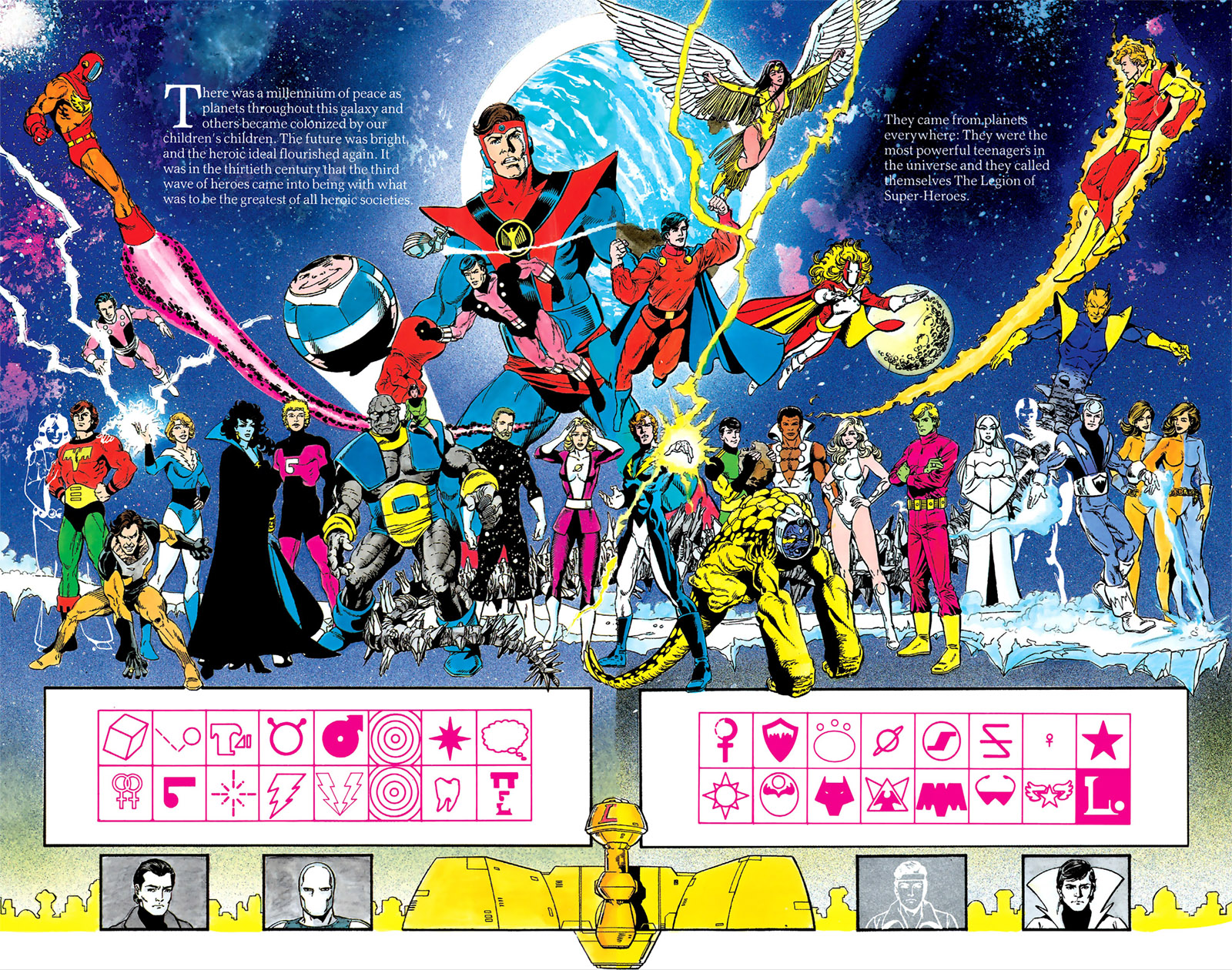
Regardless of the genre you are playing, your adventuring party is essentially a superhero team. Each member has their roles and powers, and the dynamics between them set the tone for the game. For me, one team in comics exemplifies that perfectly: the Legion of Super-Heroes. I read the Legion for years; the old stories in DC digests in the early 80s, the Great Darkness Saga, and the 1994 reboot. The Legion taught me, as a GM, how to handle the varied dynamics of a vast, diverse cast, proving that interpersonal relationships are what actually make a game interesting. The Five Years Later storyline also taught me not to fear tearing down a campaign and rebuilding it into something different when your stories need a reboot.
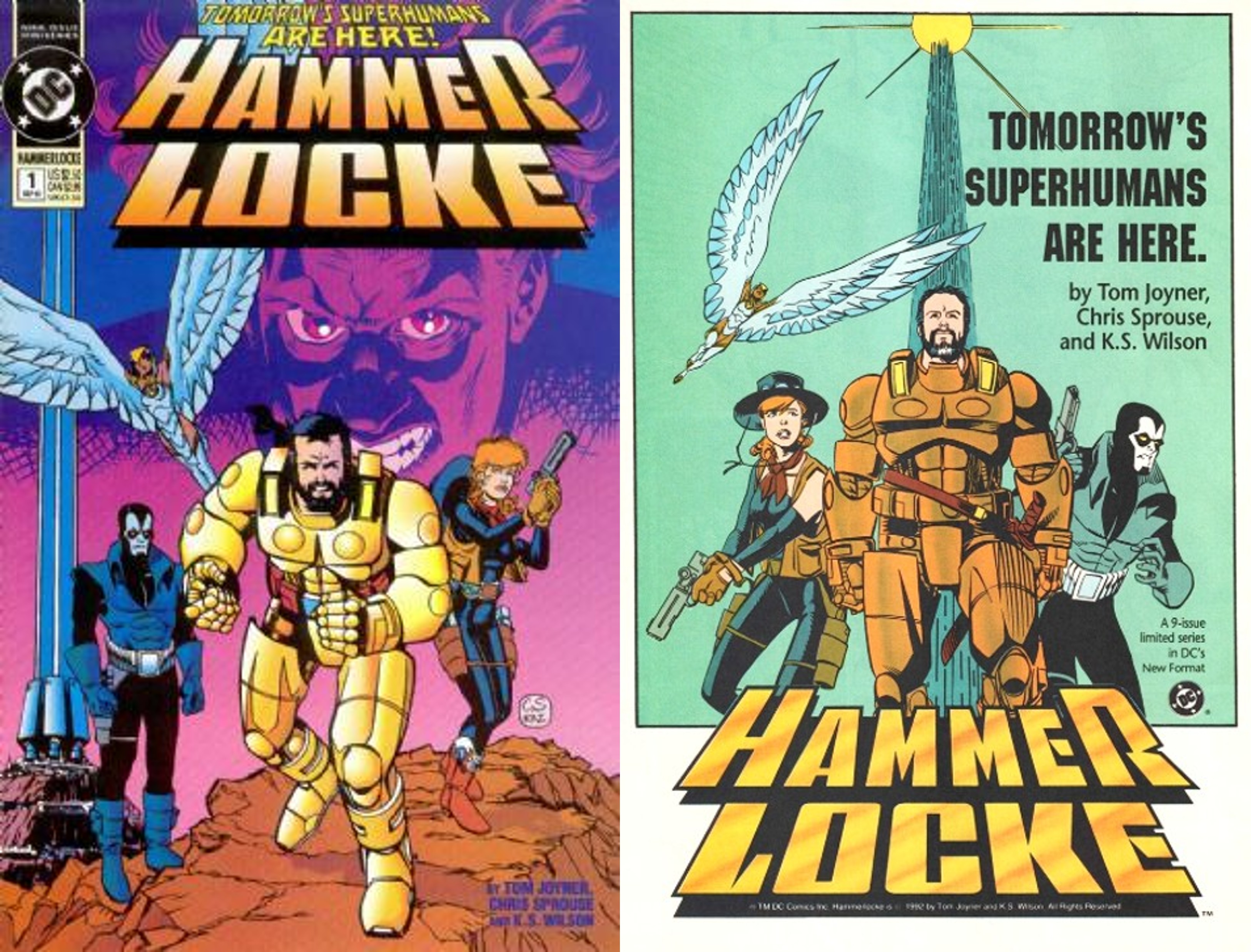
Another huge superhero influence was Hammerlocke, a 1992-1993 nine-issue series drawn by Chris Sprouse. It was a brilliant mash-up of low-power superheroes, cyberpunk sci-fi, espionage, and mystery centered on a space elevator and cyborg Archer Locke. It showed how to run superheroes in a completely different setting from the four-color mainstream adventures and directly influenced how I construct those sorts of stories.
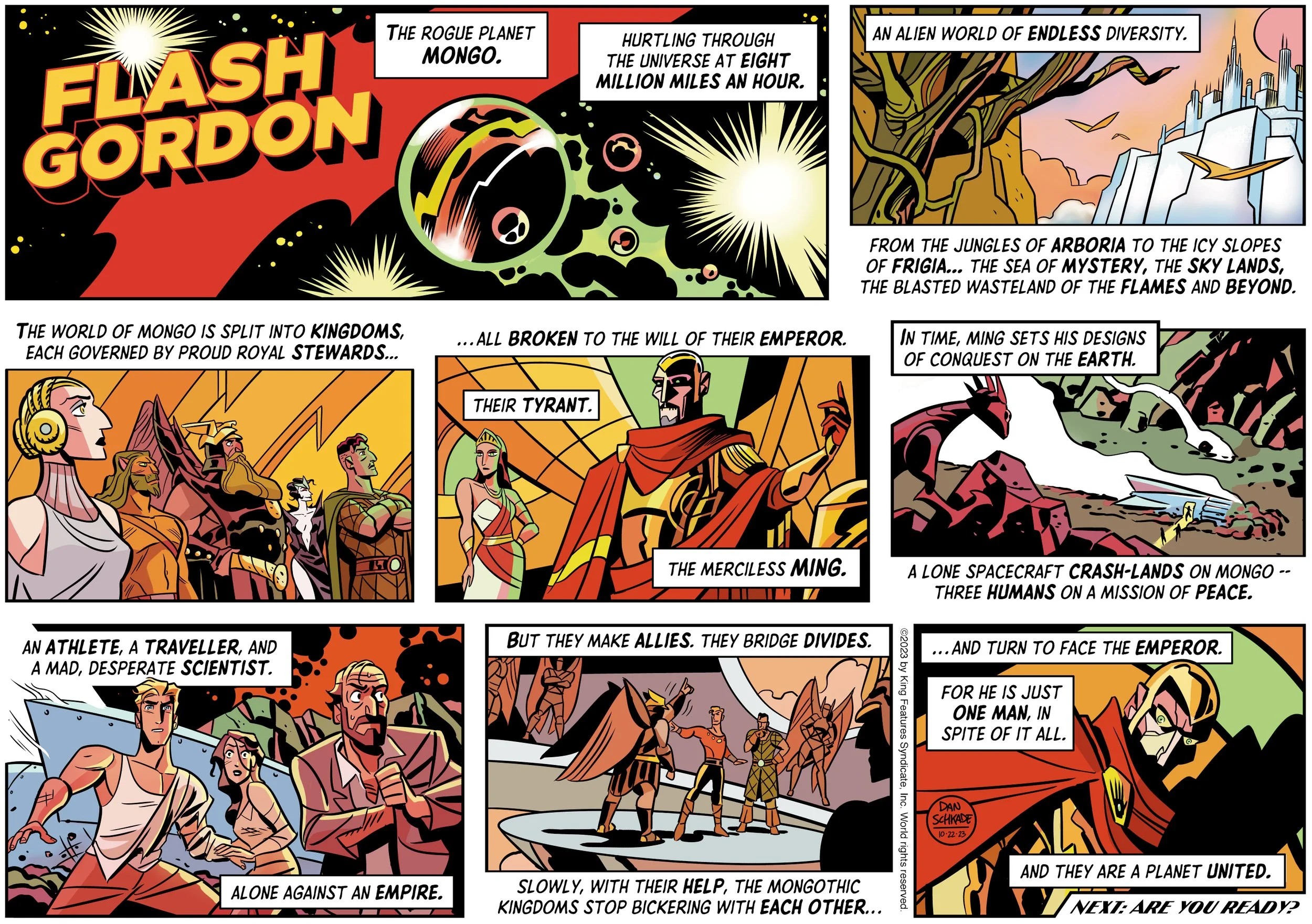
Finally, let me tell you about an old character whose current adventures are my favorite comic being produced today: Flash Gordon. For years, Dan Jurgens’ DC mini-series adaptation (where Flash was a washed-out basketball player) was my benchmark for a modern version of the character. But then came Dan Schkade. As the creator of the current daily strip, he tells refreshing stories that respect and build on the classic mythology while making it feel completely new. He inspires my gaming by showing how to create fresh content that builds naturally on the work that came before it. Reading his strip makes me want to run games based on pulp characters, a reimagined Defenders of the Earth, and it really makes me want to finally run that Mystara game I’ve always dreamed of playing.
Looking back, these comics taught me pacing, worldbuilding, and how to create larger-than-life situations that still felt grounded in character relationships.
What comic books shaped your time at the table? Let me know in the comments.
