I’ve written about the first TTRPG books I ever got at a garage sale a couple of times here on the blog over the years. I think it’s worth recapping the event for those who have not read about it—specifically because it relates to the topic of today’s post, which is (not so cleverly) revealed in my take on the classic Bee Gees’ lyrics in the title: Thieves’ World.
The Garage Sale Loot
In the summer of 1987, about a year after I had begun playing TTRPGs with my neighbors, I went to my Uncle Chechin’s house on the other side of the island for a few days. When I came back, my friends had brand new (to us!) D&D books. I remember them having a few modules from the Slavelords (A-Series) and Giant (G-Series), and I was immediately curious. They told me that a neighbor was having a garage sale, so I rushed right over to his apartment.
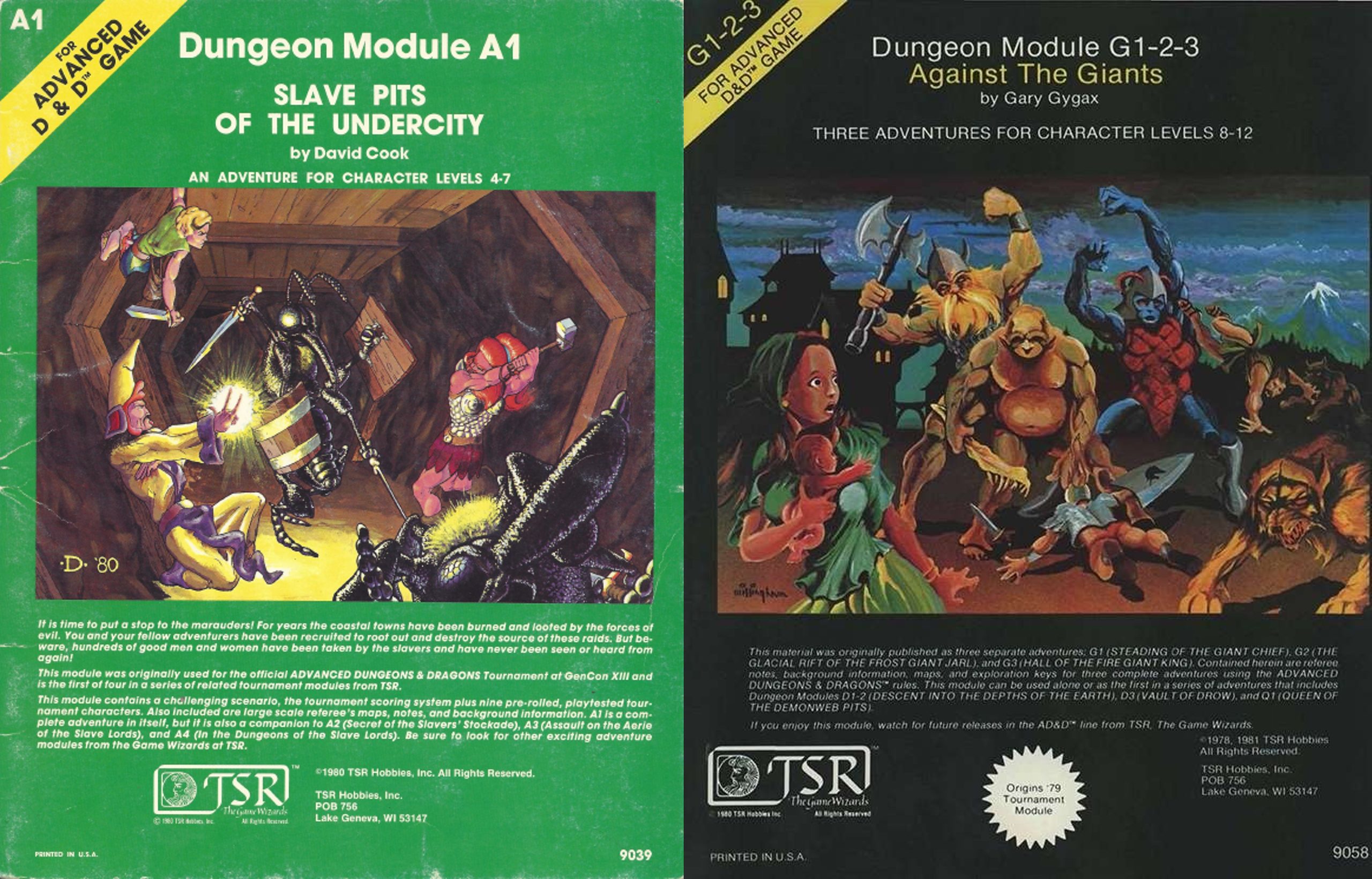
When I got there, he dismally told me my friends had already gotten most of the “good stuff” and that all he had left were the more expensive items. I was unfazed and told him I had money my grandfather had given me!
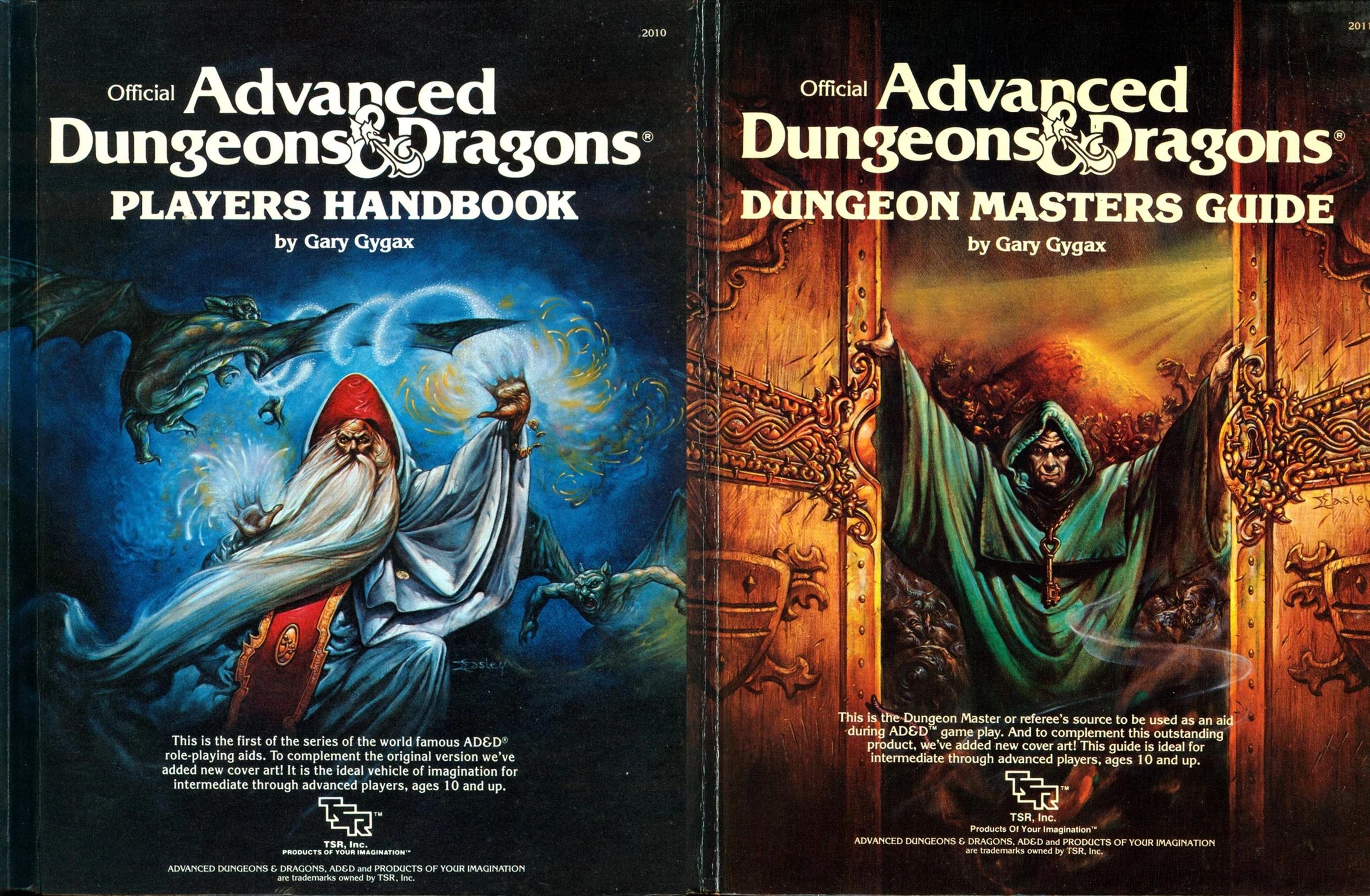
Before I go on, some context: while we had been playing D&D for months, I had recently purchased the AD&D Players Handbook (PHB) and Dungeon Masters Guide (DMG) and was in the process of reading them to “level up” our gaming experience to the advanced rules.
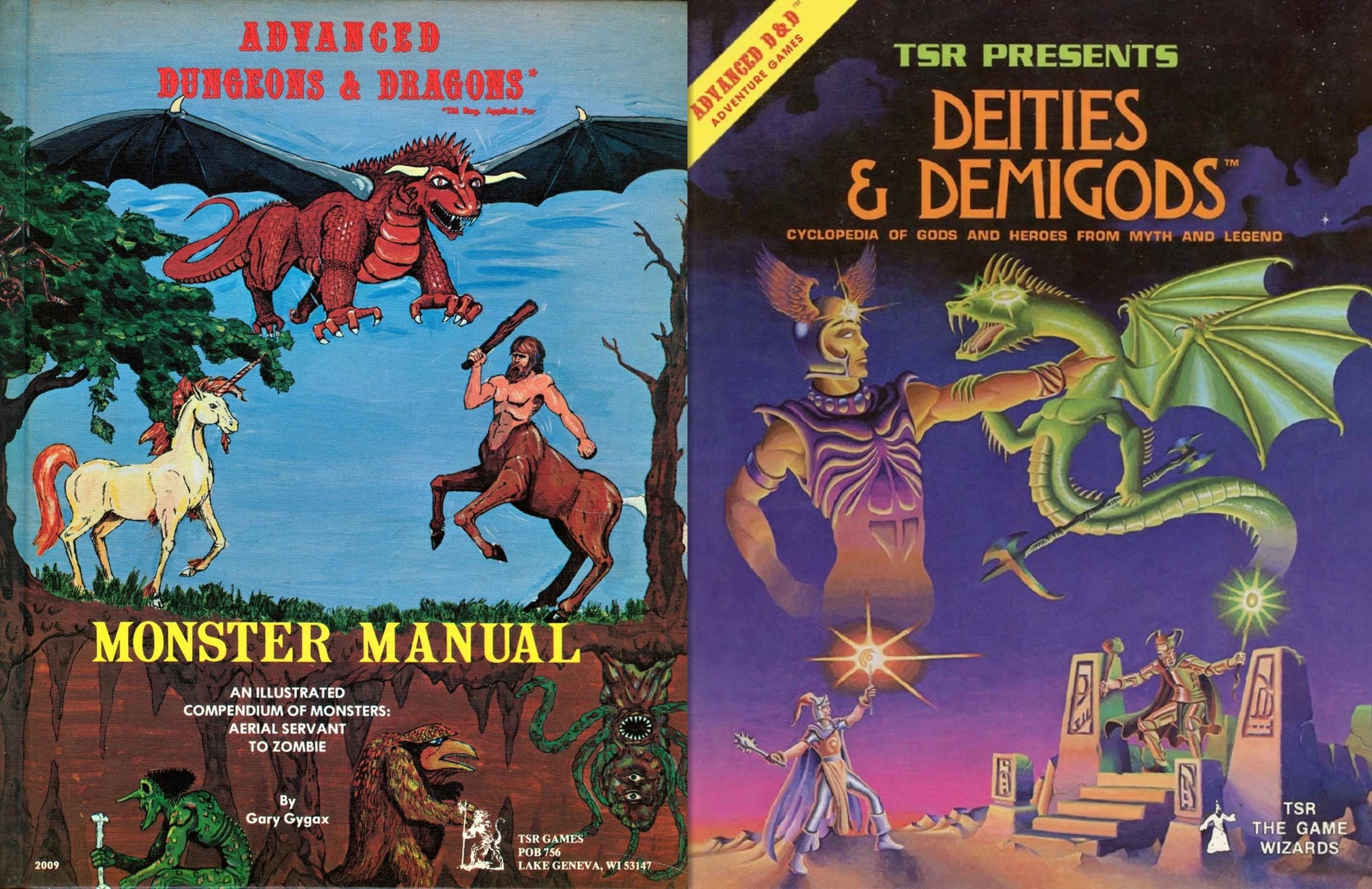
The neighbor pulled out a large piece of luggage, unlocked it, and showed me what he had left. Imagine my surprise when I saw the Monster Manual and Deities & Demigods. As I’ve mentioned recently, both featured the original covers, and the Deities & Demigods included the Cthulhu Mythos (which was famously removed from later editions). Furthermore, the owner had photocopied the “Saturday Morning Monsters” article from Dragon Magazine #48 and glued it to the end sheets. This was an extra cool find, and I had no idea at the time!
He asked for $10 per book, which had been too much for my friends. If memory serves, I had paid $15 for the PHB and $18 for the DMG, so $10 seemed very reasonable. Knowing what I know now, I think that was the original cover price for those books when he got them, so he was selling them used for what he paid—but that didn’t stop me! I had a very generous grandfather, so I handed him twenty dollars and walked out with two new AD&D books.
The Second Trip
But as I left, I knew there were two other things left in that luggage. So, the next morning, I convinced my grandfather and came back with $15 for the other two items.
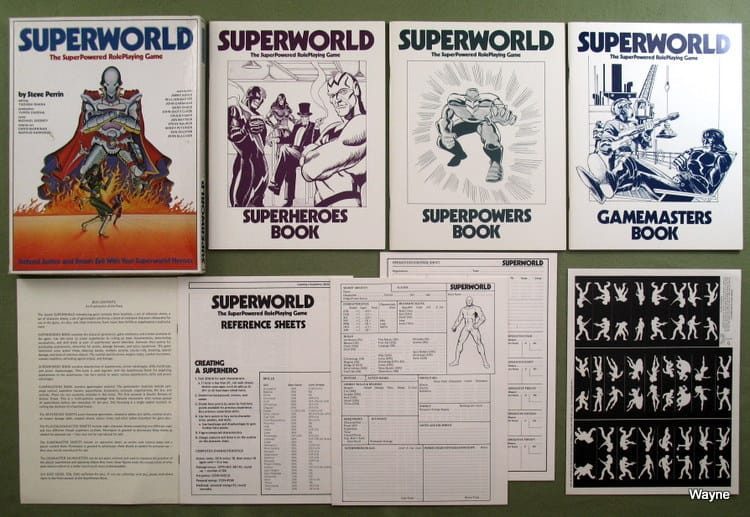
One was a book from the Superworld boxed set—just the character creation book. By itself, it wasn’t enough to play the game. I was a fan of the Wild Cards shared-universe anthology; I had read one or two books by then, and I had heard somewhere they were based on the author’s TTRPG Superworld campaign, so I was really interested. Alas, I was never able to play it since I never got the original Superworld box.
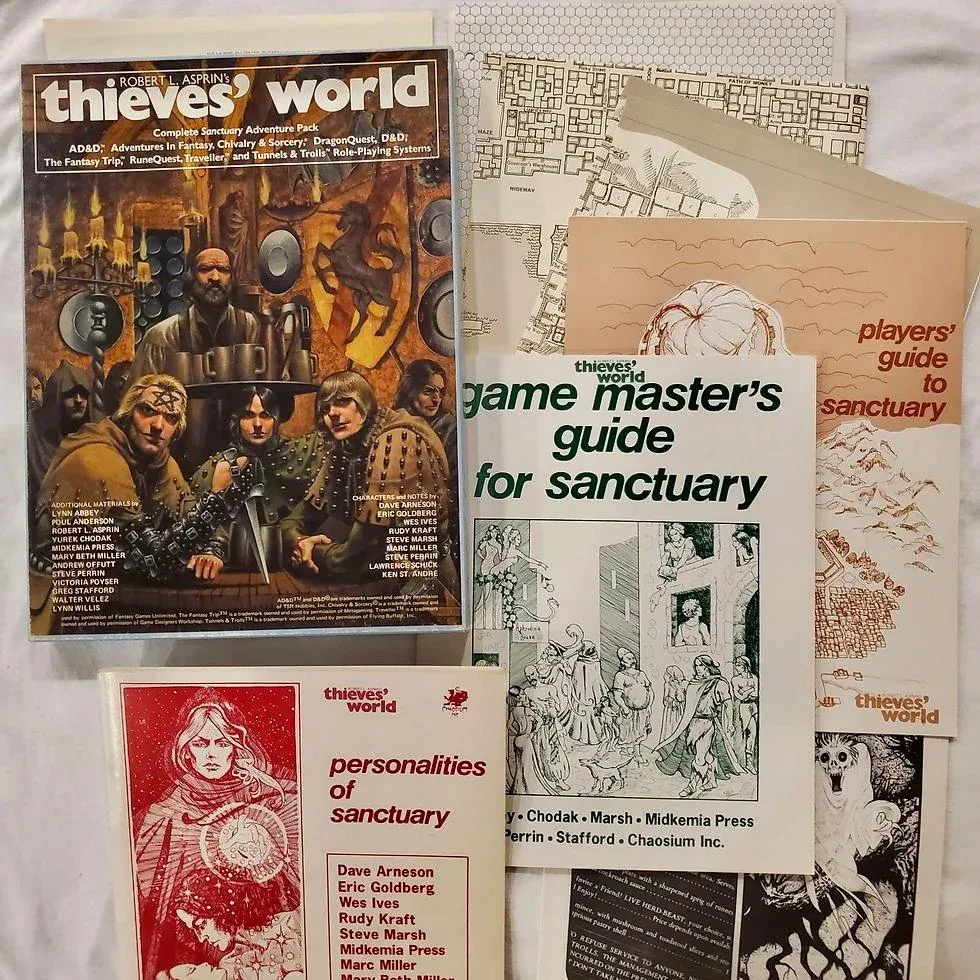
However, the other item I got was part of another shared-universe anthology: Chaosium’s 1981 Thieves’ World boxed set!
Discovering Sanctuary
I had never read the Thieves’ World anthology, so I had no context for what this was. The neighbor who sold it to me simply said it was the setting for a series of books, so that was all I had to go by.
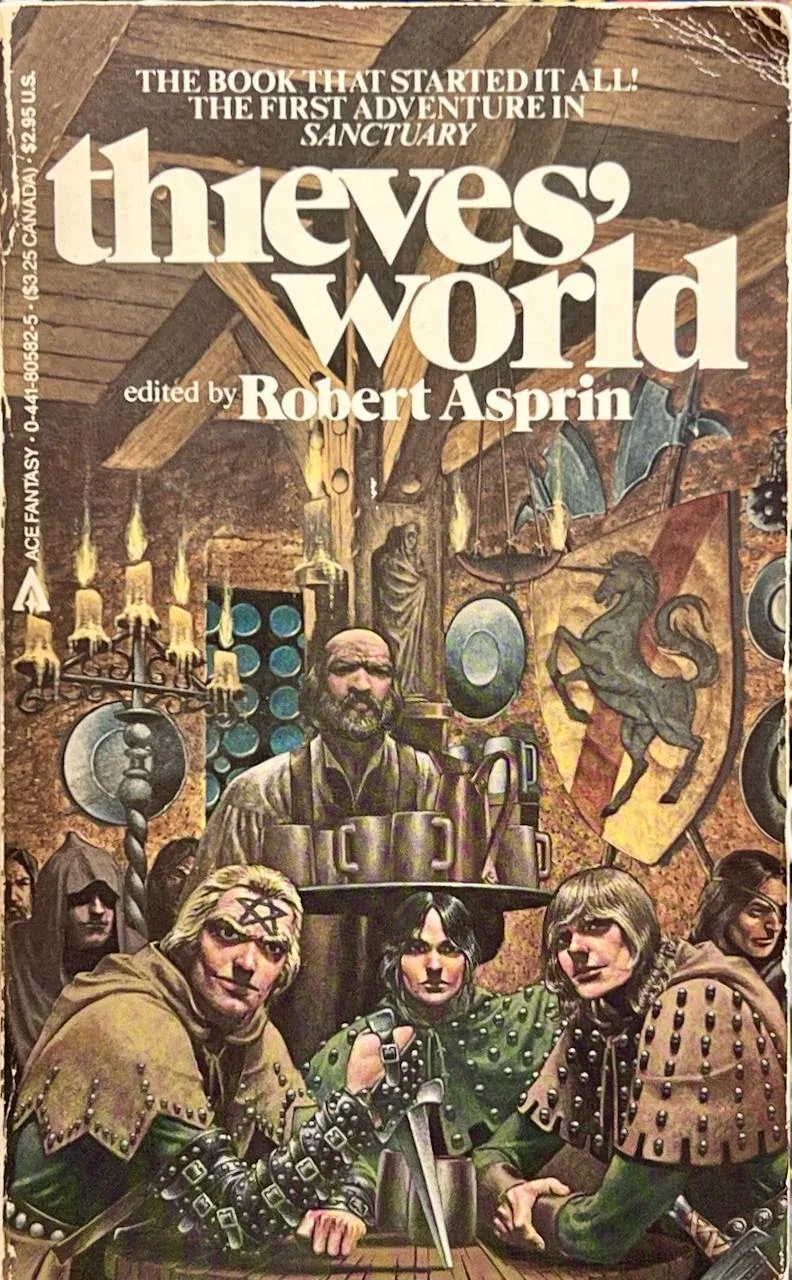
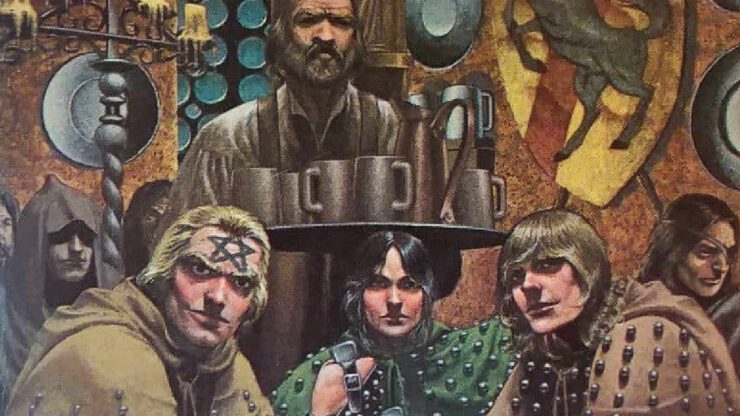
However, Walter Velez’s cover was so evocative that I had to open the box and delve in. I’ll admit there was a lot I did not understand. I was 14 years old, and my reading comprehension was still developing, but I absolutely loved what I did understand.
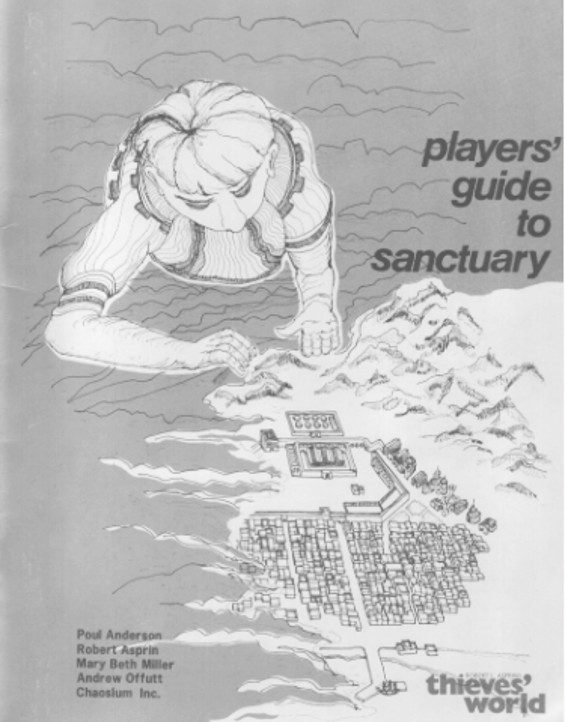
I loved the cover of the Player’s Guide to Sanctuary. To me, it looked exactly like a GM looming over his creation!
The discussion of the city, the details, the glossary! If the AD&D books felt textbook-like, this felt like a living, breathing, lived-in world. As an adult, I understand there was a lot of implied world-building in the early D&D books, but to my teenage mind, this was the opposite extreme—it was explicit and detailed. Come to think of it, this was perhaps the first fully fleshed-out campaign setting I ever encountered. There was the “Known World” section in the D&D Blue Box Expert Rulebook, but this was something else entirely.
The Maps and the Multiverse
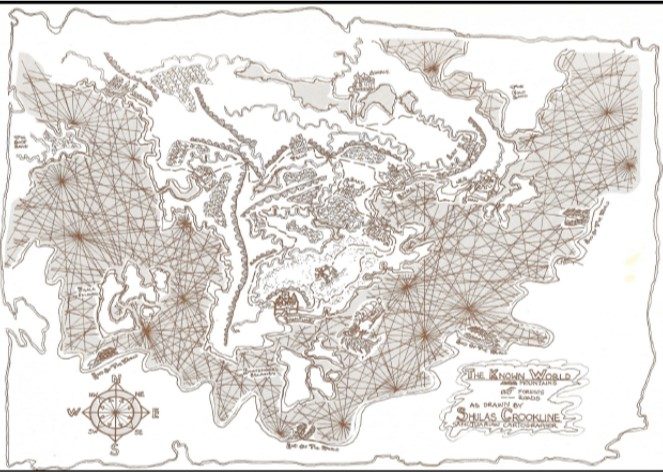
I loved the maps! I had actually forgotten this was also labeled as the “Known World” on the map at the end of the Player’s Guide to Sanctuary.
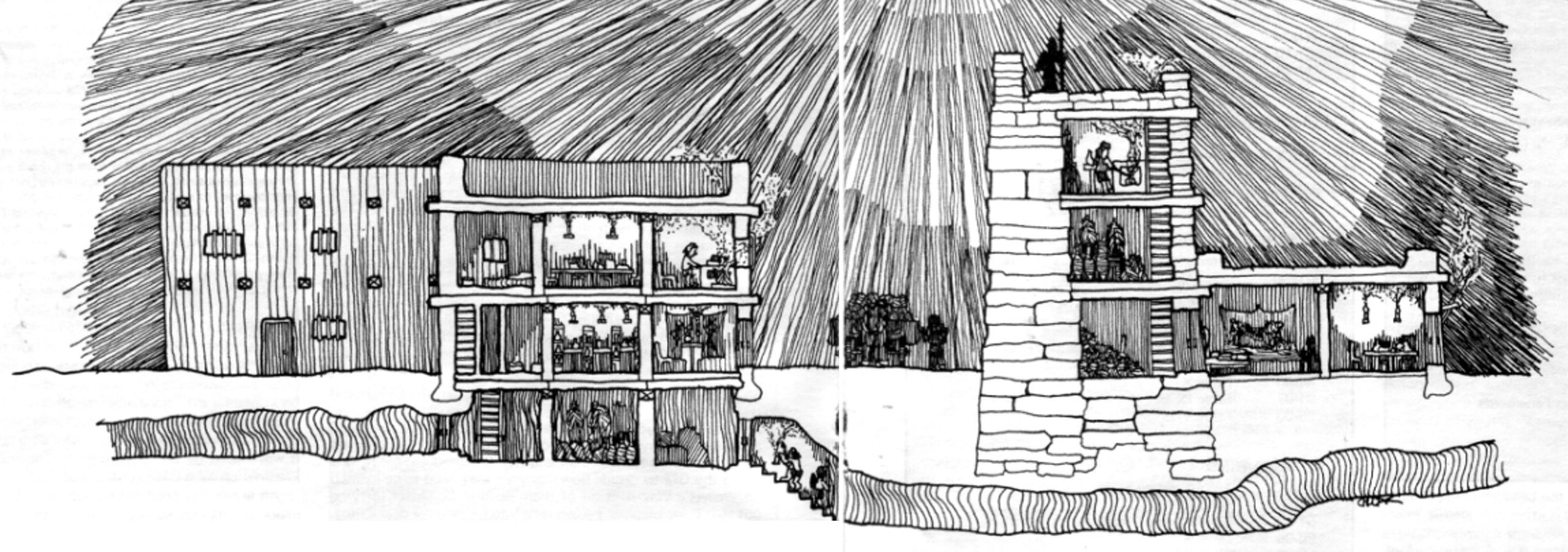
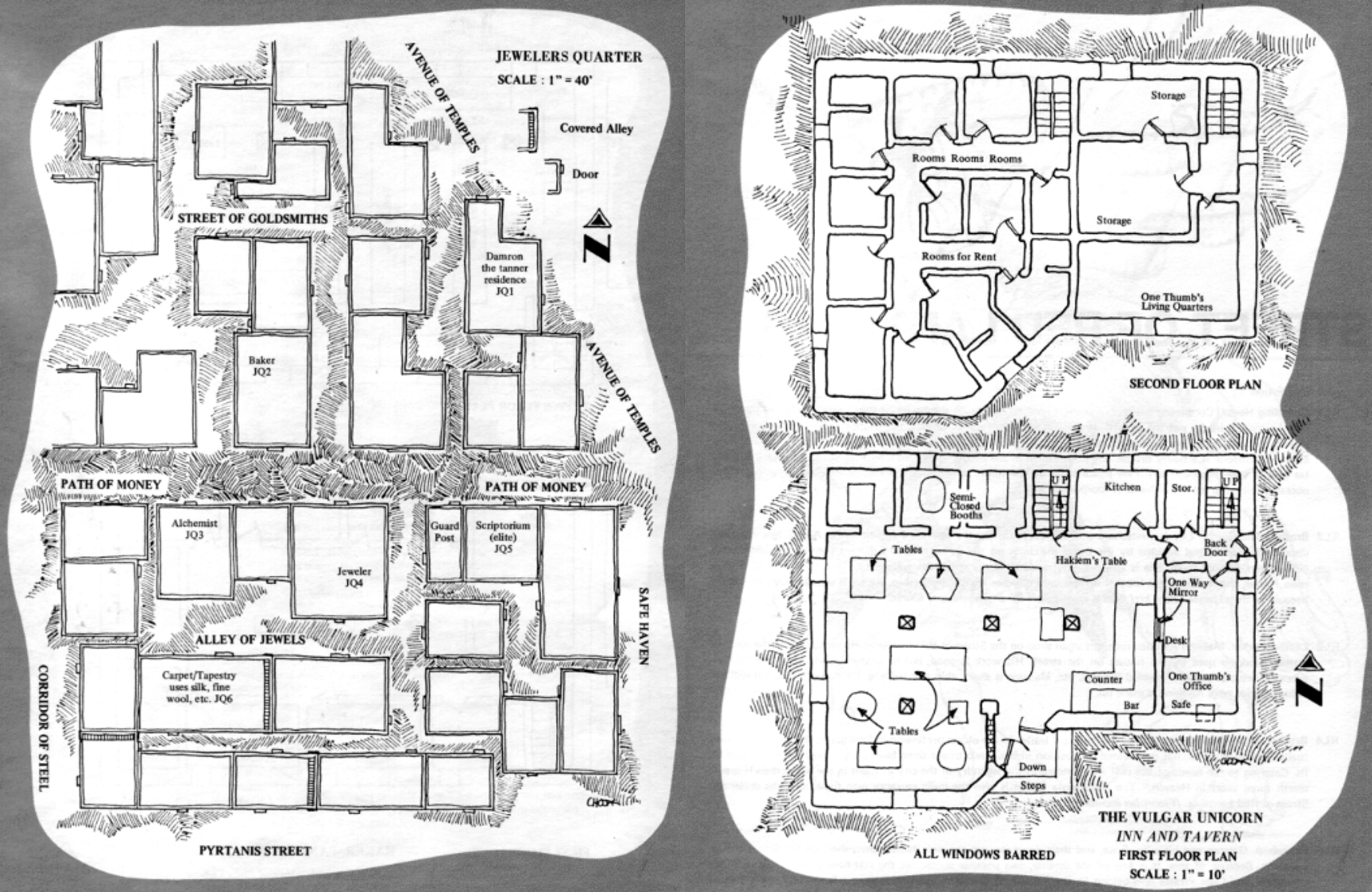
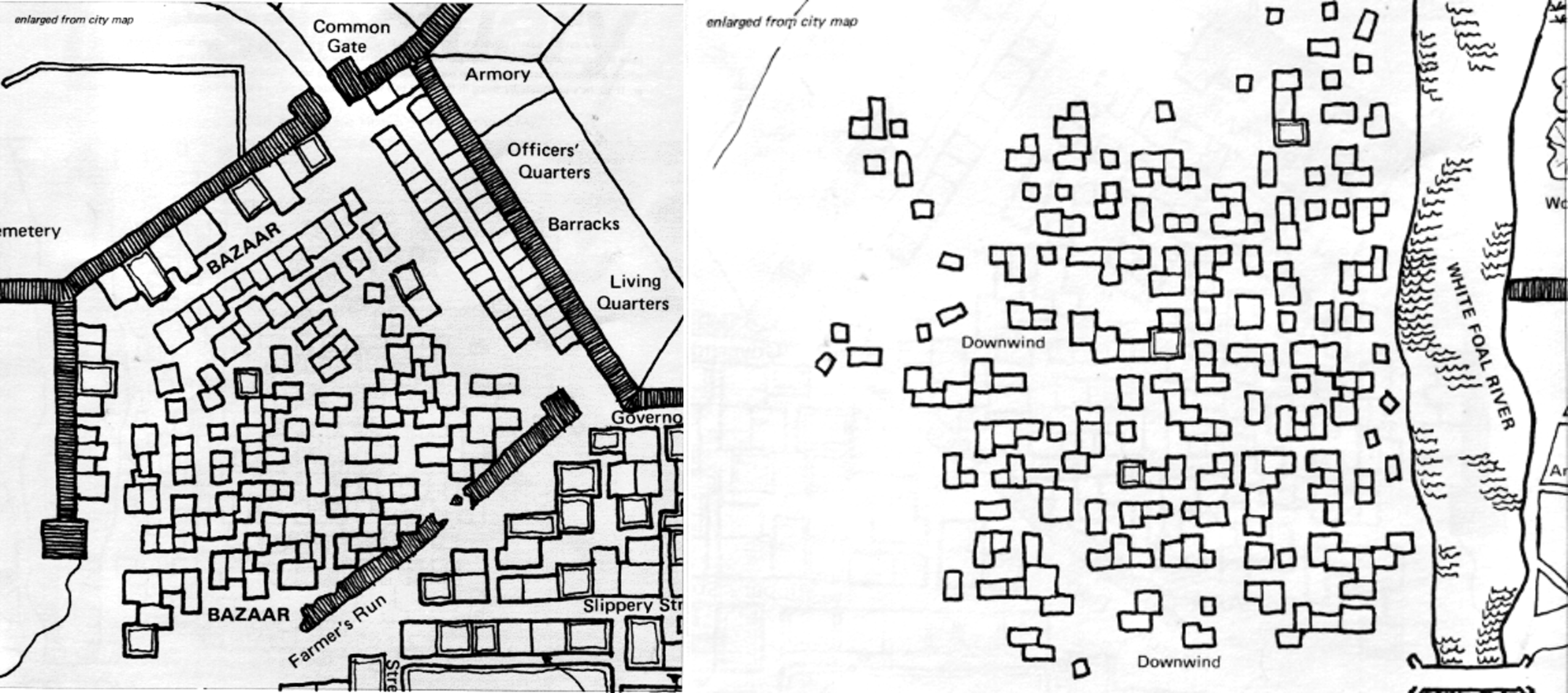
The maps in the Game Master’s Guide to Sanctuary were even better. I look back at the cut-aways on pages 33 and 34, the maps of buildings starting on page 37, and the details of city sections on pages 63 and 64, and I realize just how much these maps inspired my own map-making at the time and in the years to come. To say nothing of the incredible full-page Hellhound knight illustration on page 9!
The Personalities of Sanctuary book was like a mysterious compilation of other games. I knew what D&D and AD&D were, but I had no idea about other systems. I pored over the stats, trying to figure out what these other games must be like.
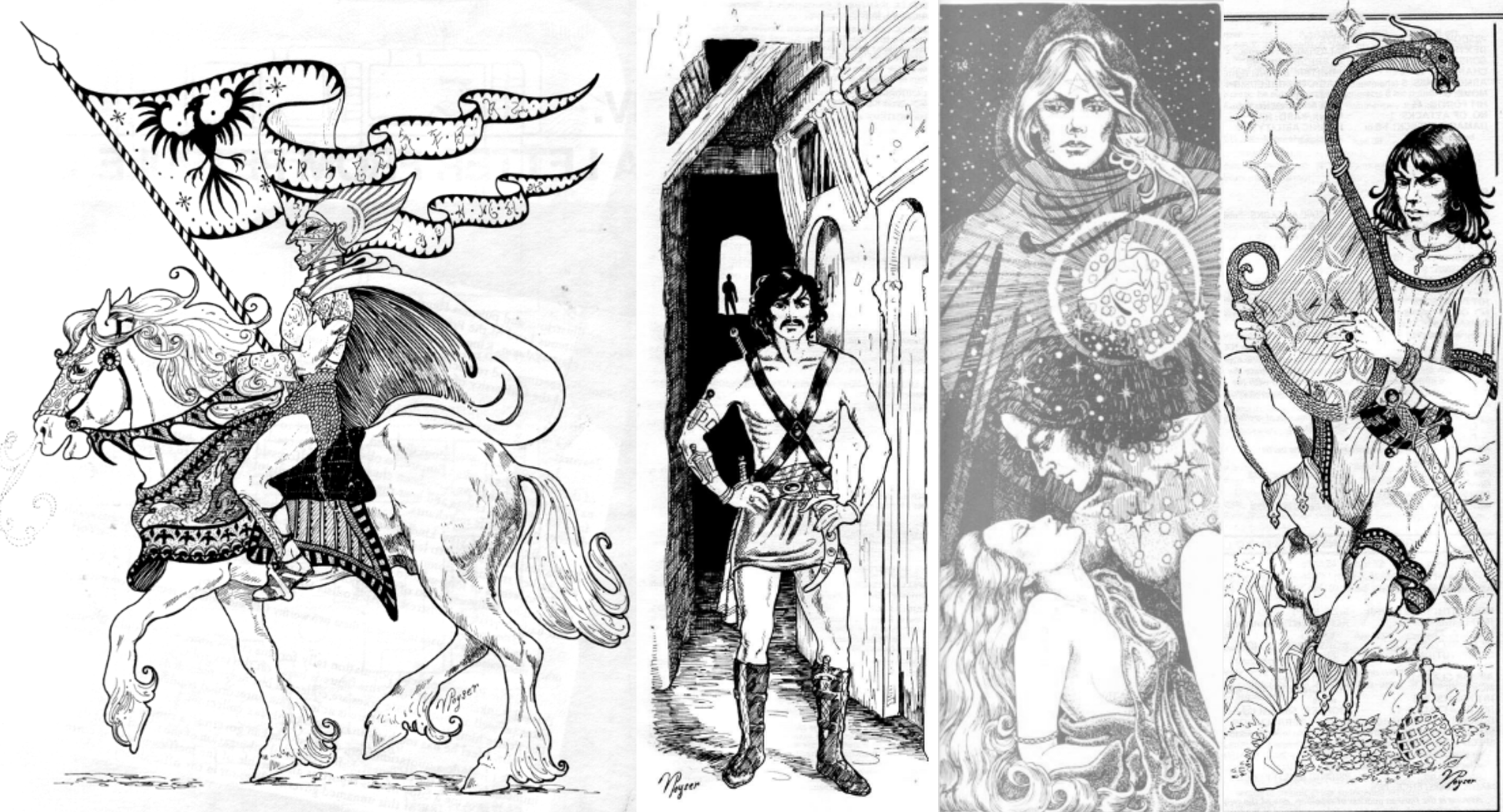
The art throughout the books was sparse but evocative, creating a unified feel and a deep sense of wonder for Sanctuary. Concepts like “The Maze” heavily influenced my concept of fantasy slums, and the “Vulgar Unicorn” inspired many of my tavern names in the same vein.
Looking Back
The maps were my favorite part, hands down. Early on, I would frequently use the map of Sanctuary in my games without necessarily using the setting itself.
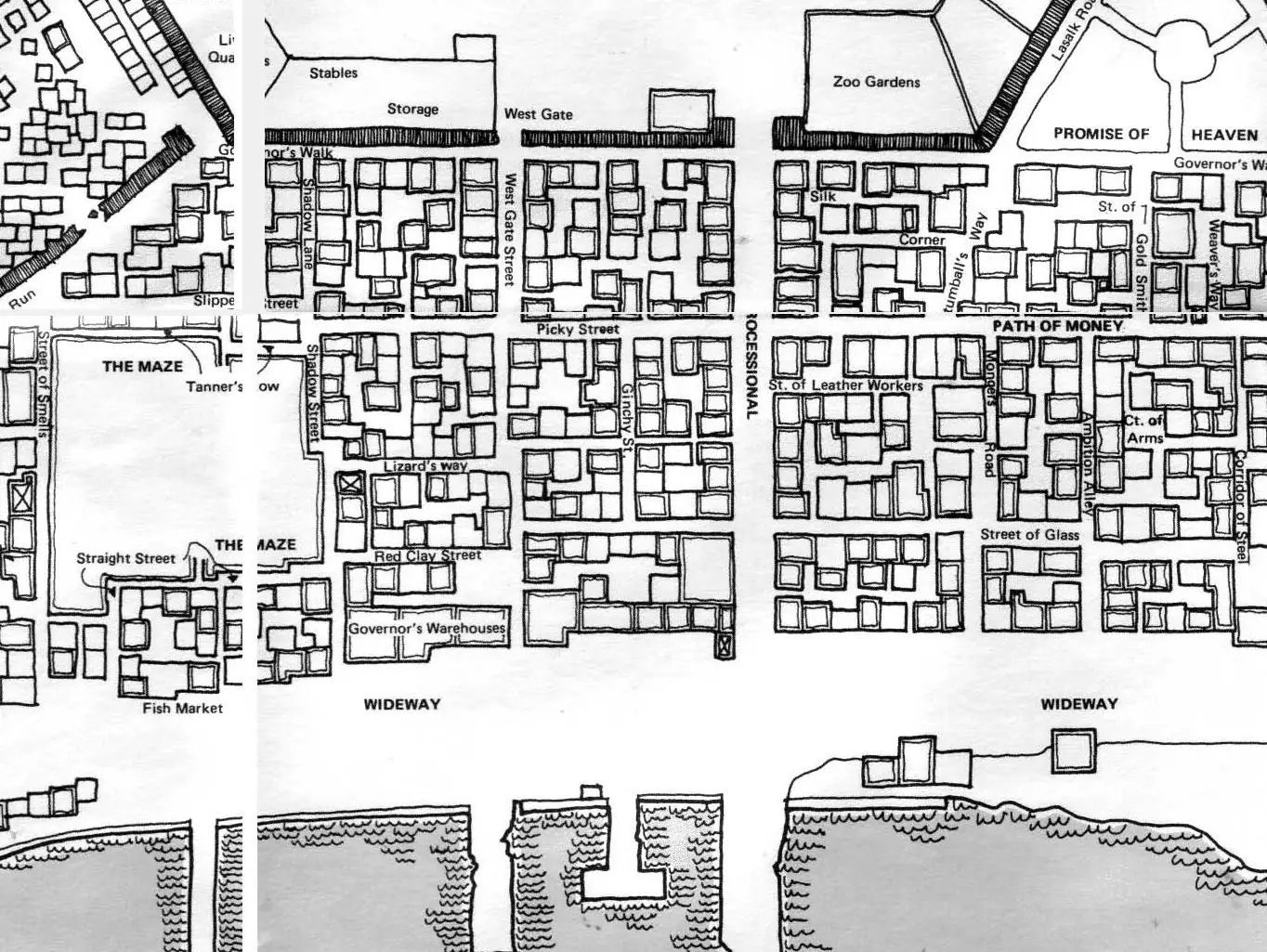
I still have the books and the maps, and taking them out to peruse before writing this was a delightful trip down memory lane. There were so many incredible details I had forgotten.
Sadly, I got rid of the actual box years ago. To save space, I threw out many of the boxes for my classic boxed sets. I really wish I had kept them.
Two more things before I go.
If you’ve read the wonderful Designers & Dragons by Shannon Appelcline, you might already know this, but just in case you don’t: the inclusion of the Melnibonéan and Cthulhu Mythos in the original Deities & Demigods is actually what made it possible for Thieves’ World to include stats for D&D and AD&D!
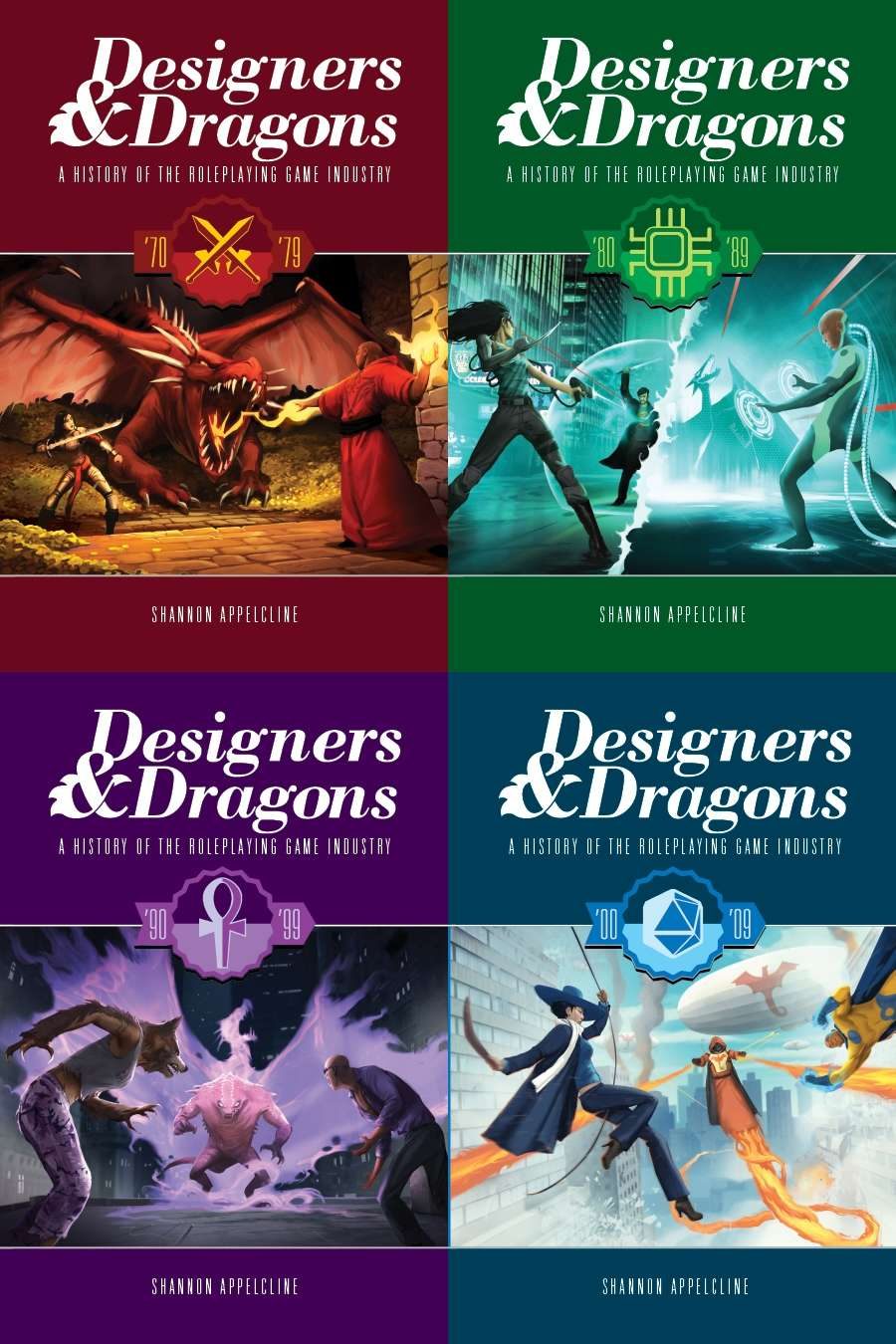
Here is a quote from Appelcline detailing this exchange from this RPG.net column:
“Chaosium (1980). Jim Ward characterizes what TSR received from Chaosium as a “C&D”. Knowing most of the principals at Chaosium, I find it unlikely that anyone wrote anything that antagonistic or legalistic. In any case, at the time Chaosium held contracts giving them gaming rights to Michael Moorcock’s Eternal Champion novels and H.P. Lovecraft’s mythos stories. But TSR published deities for both of those fictional settings in Deities & Demigods (1980), and Chaosium complained. The end result was that Chaosium granted rights to the usage based on a thank-you in the credits (but the Blumes quickly decided to remove the mythos entirely because they didn’t want to mention another roleplaying publisher) and that Chaosium got rights to use D&D stats in Thieves’ World (1981), which would be one of the last major licensed uses of the D&D game under TSR.”
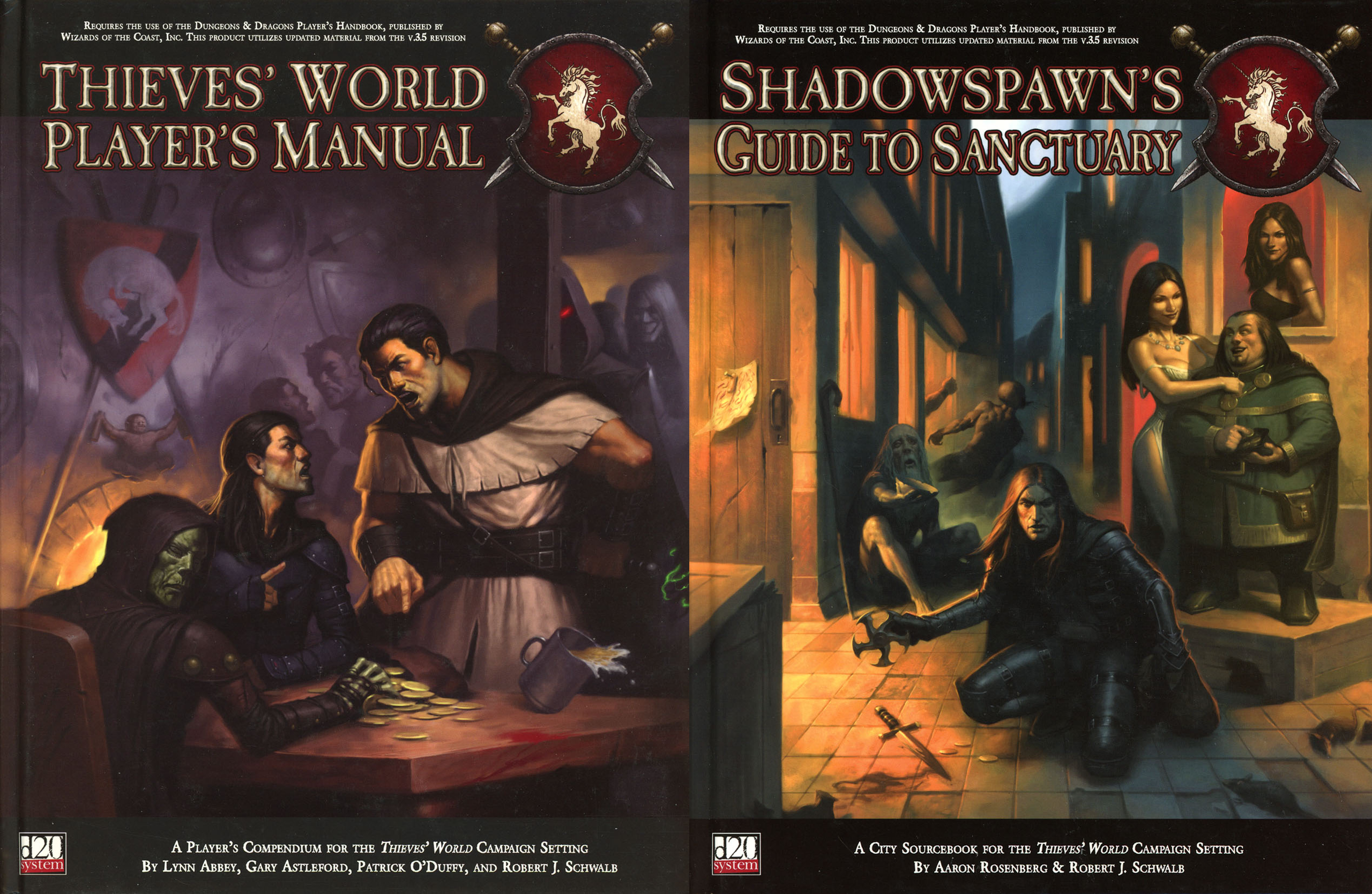
In the early 2000s, Green Ronin published new materials for Thieves’ World using the d20 rules. I own those books as well, but sadly, they no longer hold the license.
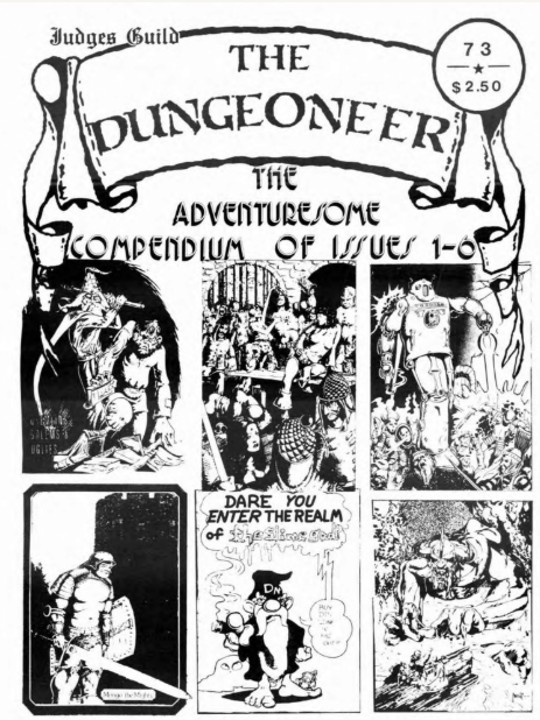
One final thought, at one point, I can’t remember if the first time or the second time, I visited my neighbor’s garage sale, I also got the Dungeoneer Compendium of issues 1 to 6. It was in bad shape, so I remember getting it for $1. It was $2.50 brand new. My neighbor fleeced me, really!