

Preamble: This post is closely tied to a post I wrote during RPG a Day this year, for day 21, Unexpected. It inspired me to dig deeper into adventures I’ve run as a GM. It may rehash some of the same topics, but this one goes deeper into my motivations and covers other topics. I hope you like it. On with the post!
If you gather a group of gamers from my generation in a room and shout “G1,” someone will inevitably whisper back, “Steading of the Hill Giant Chief.”
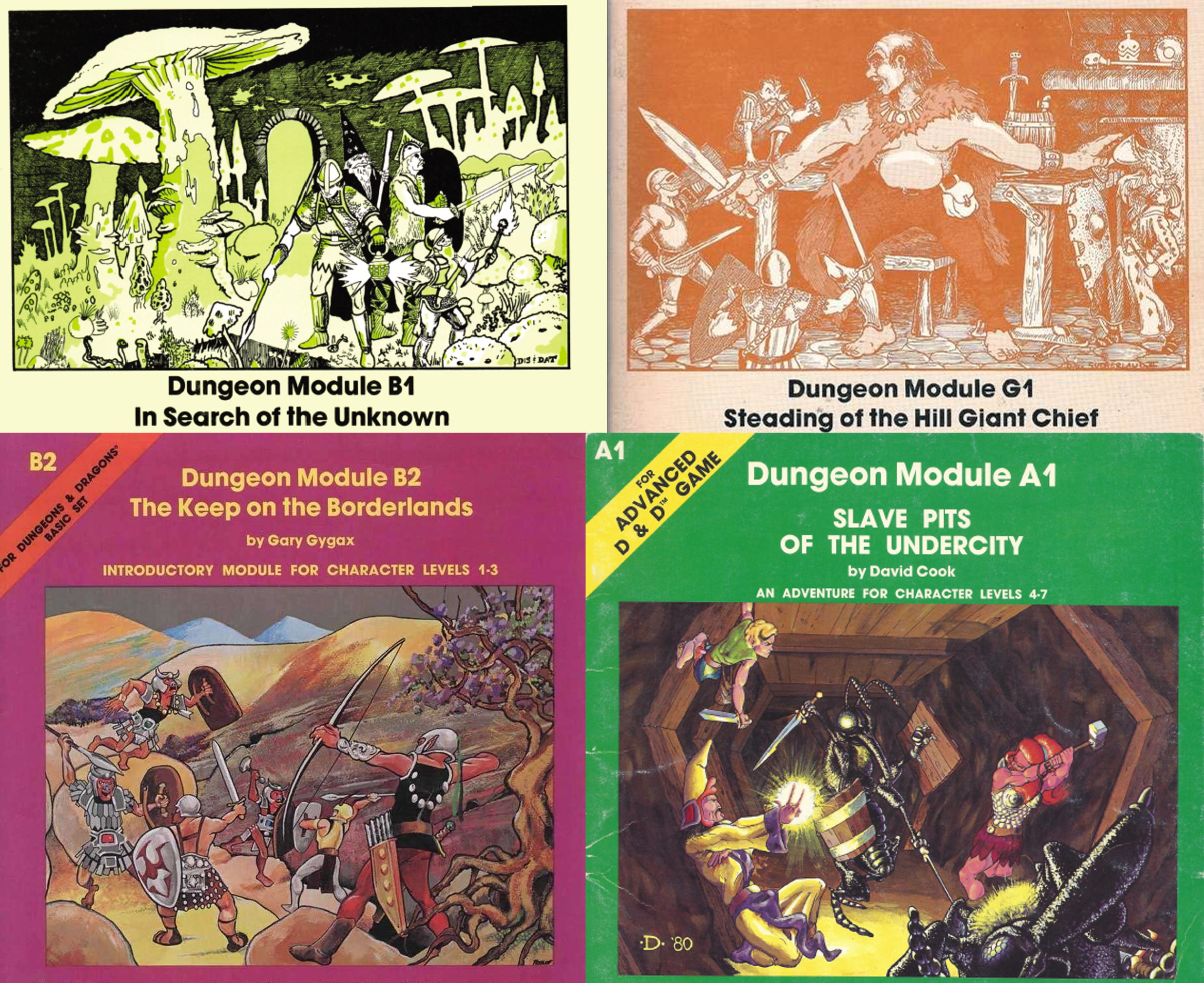
There is a core, shared language among players who grew up in the 80s and 90s. It’s built on the foundations of the classic D&D modules. The Keep on the Borderlands. In Search of the Unknown. The Slavelords series. The legendary GDQ series of adventures that took players from fighting giants, down into the depths of the earth, all the way to the Demonweb Pits to face Lolth, the Queen of Spiders herself.
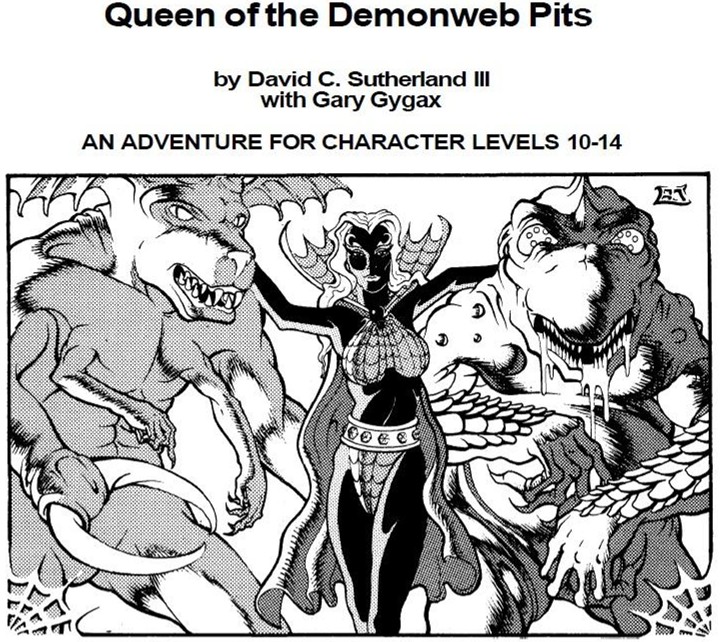
These names are gaming landmarks. They represent a shared cultural experience that binds the Old School community together.
And I have a confession to make; I missed almost all of them.
I didn’t run through the Caves of Chaos. I never faced the Slavelords. I didn’t even play the “modern classics” like The Sunless Citadel.

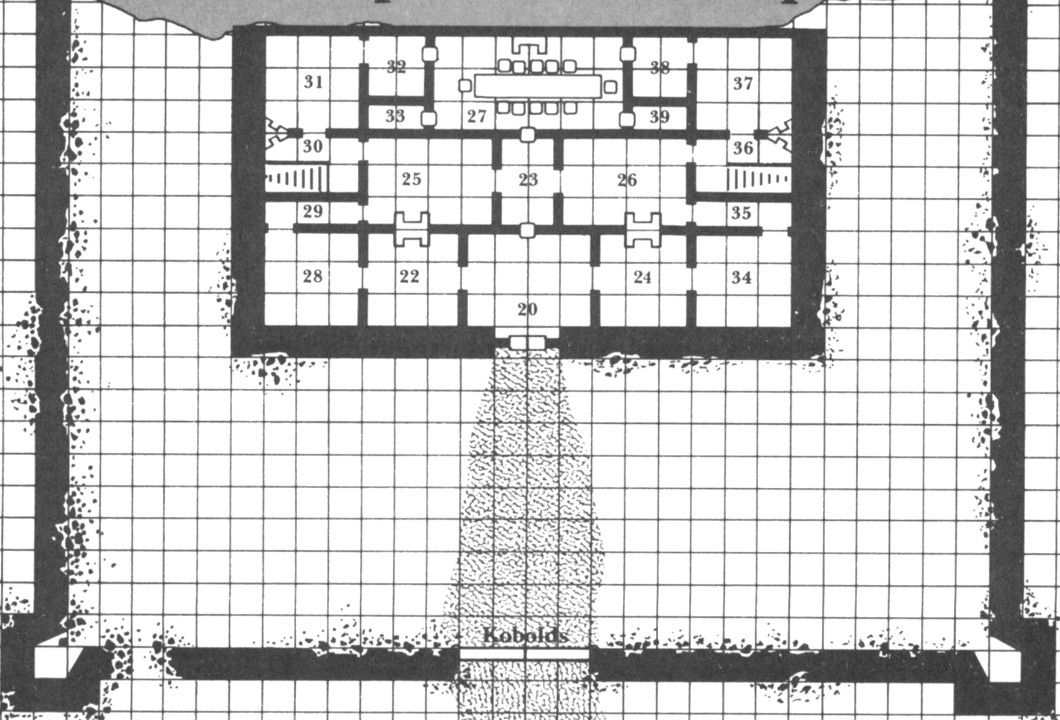
You can see the map above on Dyson Logos’ blog here.
As a player, the only true “classic” I can claim is The Haunting, that terrifying walk through the Corbitt House from the original Call of Cthulhu boxed set, which, by the way, Chaosium recently revisited for their latest edition of CoC.
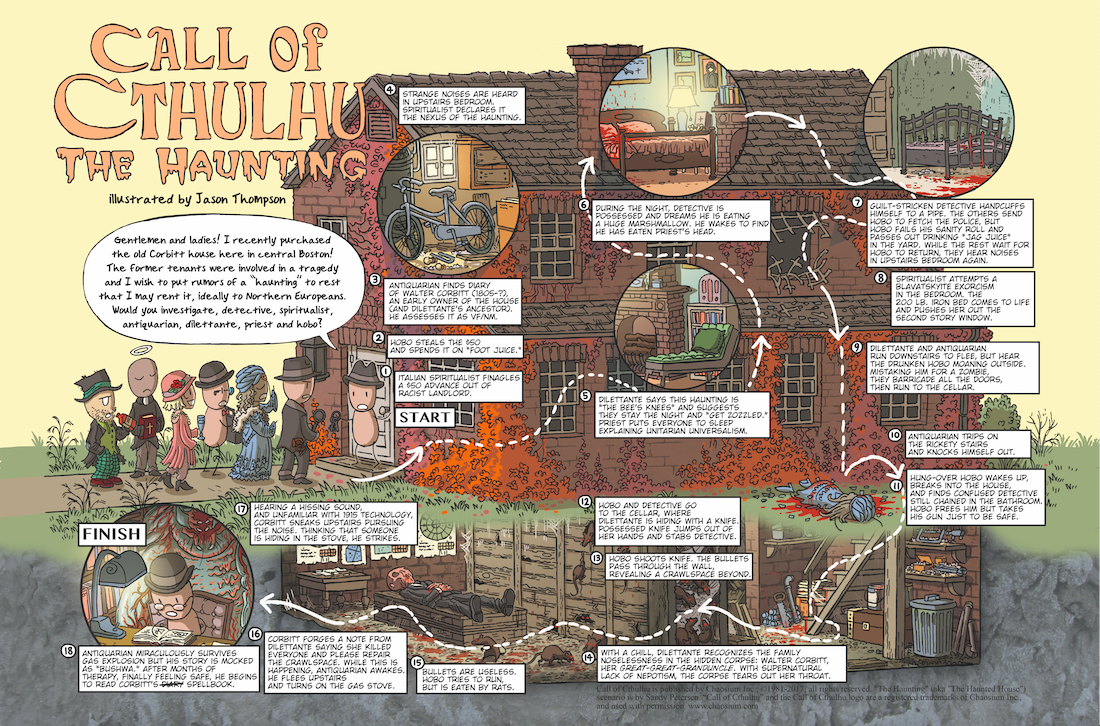
This art is by Mockman, and you can get an art print here.
But on the D&D side? I did not play those classic modules.
For decades, I’ve told anyone who would listen: “I don’t do modules.” I found them constraining. I didn’t want to read a script; I wanted to build worlds. I prided myself on my homebrew settings and the scenarios I cooked up from scratch. To this day, if you ask me, I’ll probably tell you I don’t like running pre-made adventures.
But as I’ve been digging through my history for this “40 Years a Gamer” series, I realized something funny. My memory was lying to me. I have run adventures—quite a few of them.
When I sat down to list them, I realized that while I avoided the “classic,” I was running scenarios. Here is the actual track record:
Adventures Run
- D&D Mentzer Basic Set Adventure (Castle Mistamere) – 1986 & 2016
I ran this for my very first game, and quickly began to improvise and add details, never really populating the second level, instead going straight to another module, the next on this list.
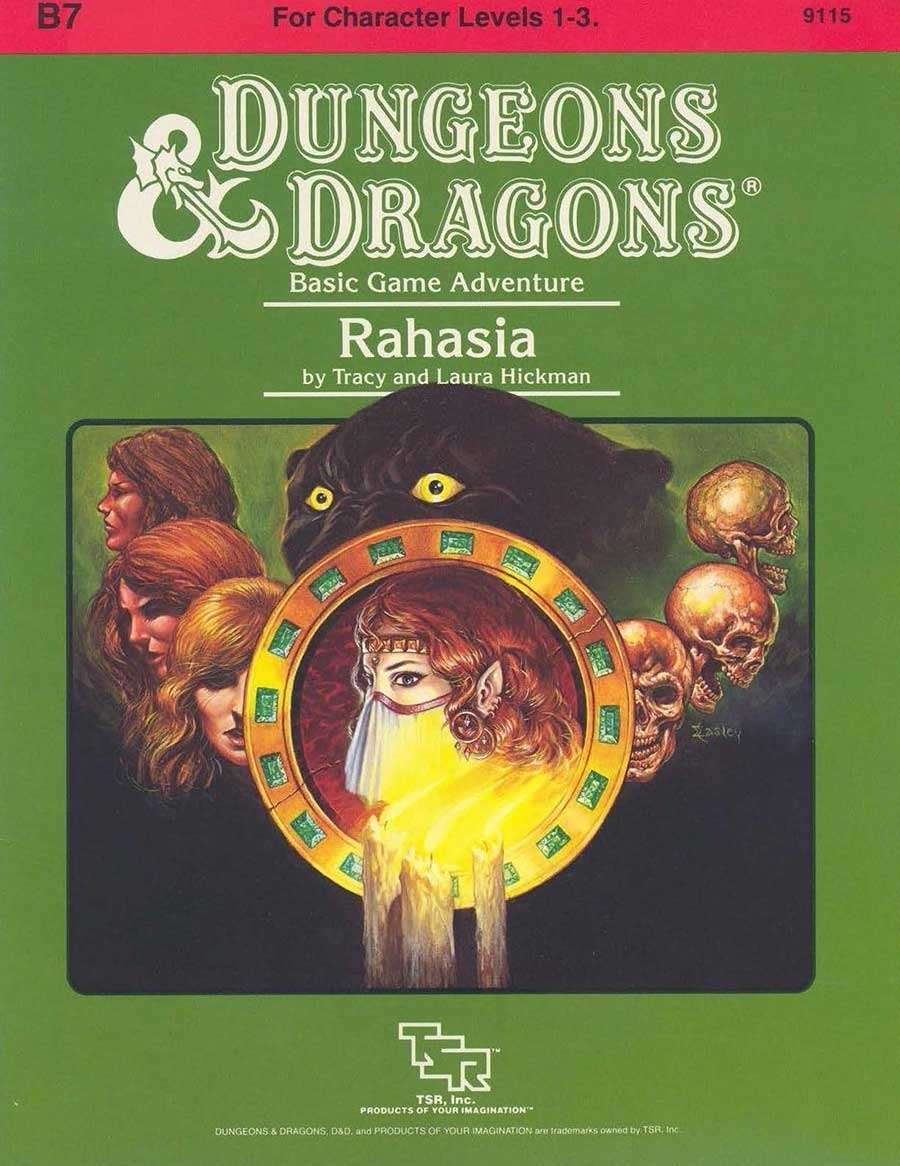
- Rahasia (We played about halfway through) – 1986
I really like the module’s concept and story. It gave us the classic moment when one of the players wanted to pee in the water where a Water Weird lurked, and it just grabbed him by the unarmored lower portion of his body and dragged him into the water. But the player lost interest in the exploration, and I soon transported them into my first homebrewed adventure.
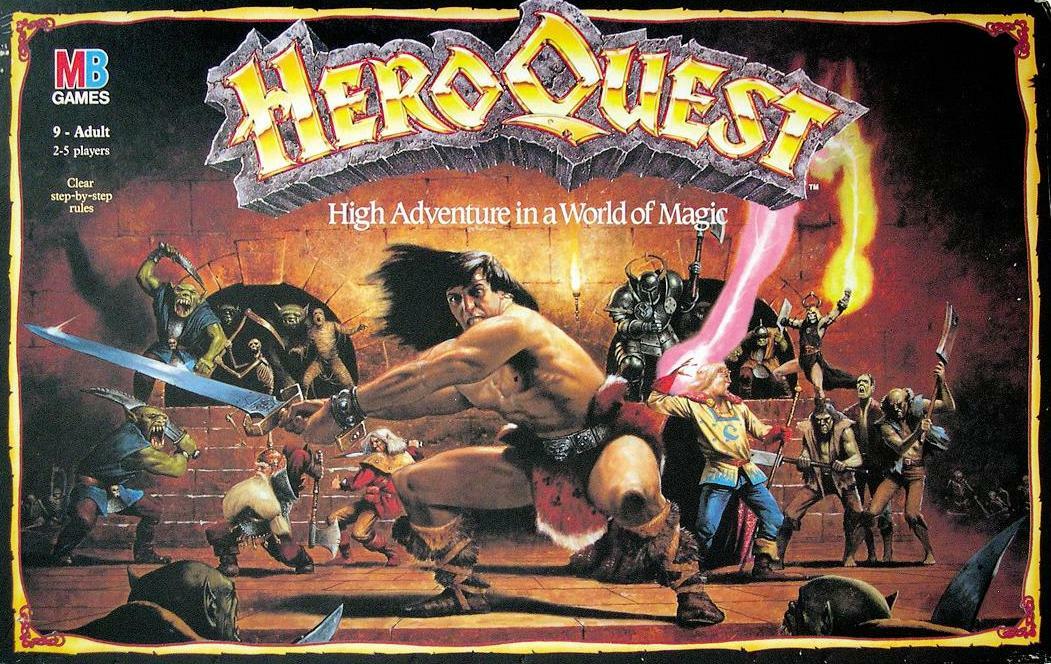
- The 14 Quests of HeroQuest – 1991to1992
These I used as teaching tools; the board game as an introduction to tabletop role-playing games (TTRPGs), but it was their simplicity and ease of use that I enjoyed.
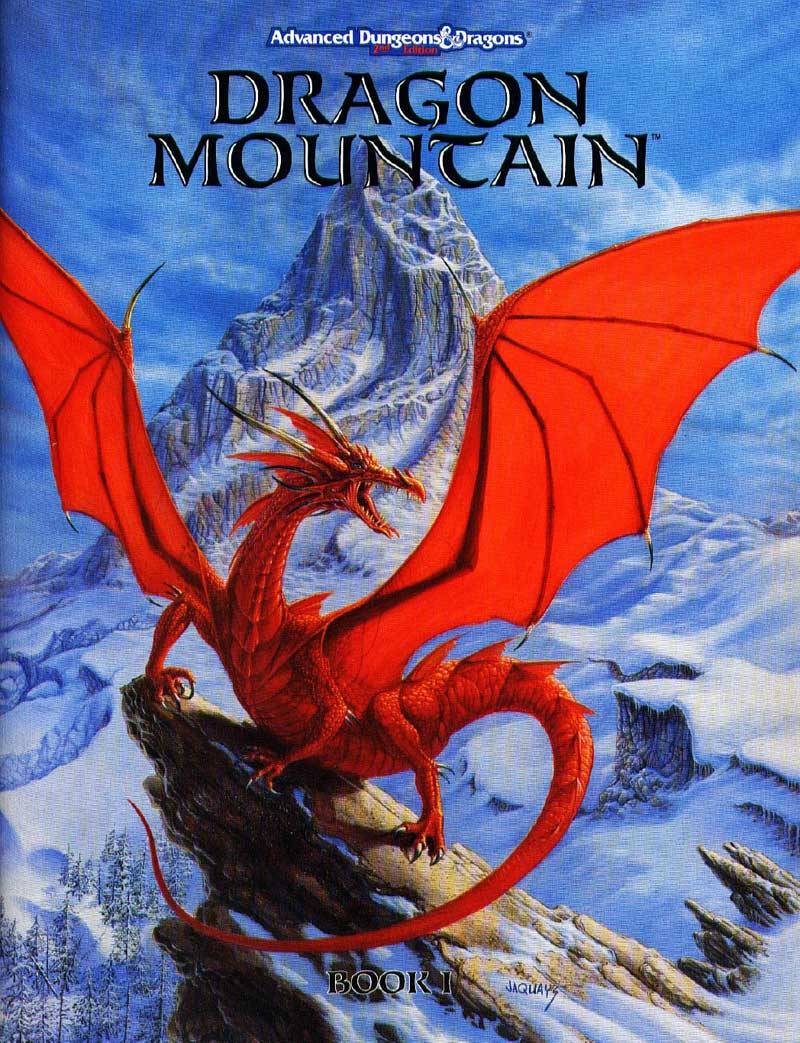
- Dragon Mountain (The first book only) – 1993
Another module with an ambitious storyline, which also gave us a classic moment in our games, when the arrogant elven fighter wizard threatened the enemies inside a house, and the antagonist spellcaster cast the Feeblemind spell on him! (If you click on the link, apologies for the text of the spell.)
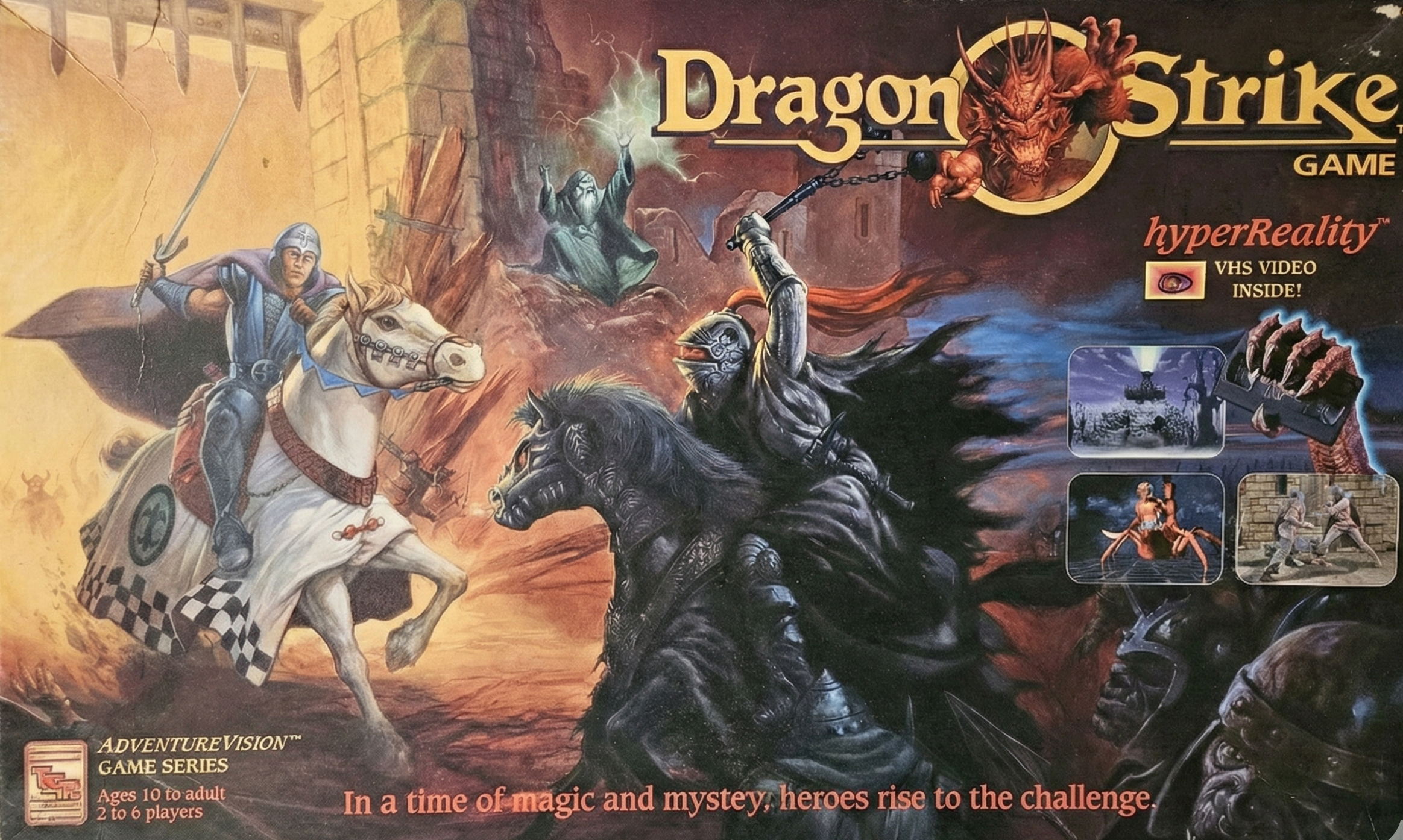
- DragonStrike (Ran about half the adventures included) – 1993
These, like HeroQuest above, were used as teaching tools. However, these were not as much fun as the previous game. I think the best thing about the game was the “instructional video”. In this post-LOTR era, with Critical Role animation as popular as it is, it is incredible to think how thrilled I was for this video. I showed it to people who wanted to know what D&D was about. You can see it for yourself in the video above,.
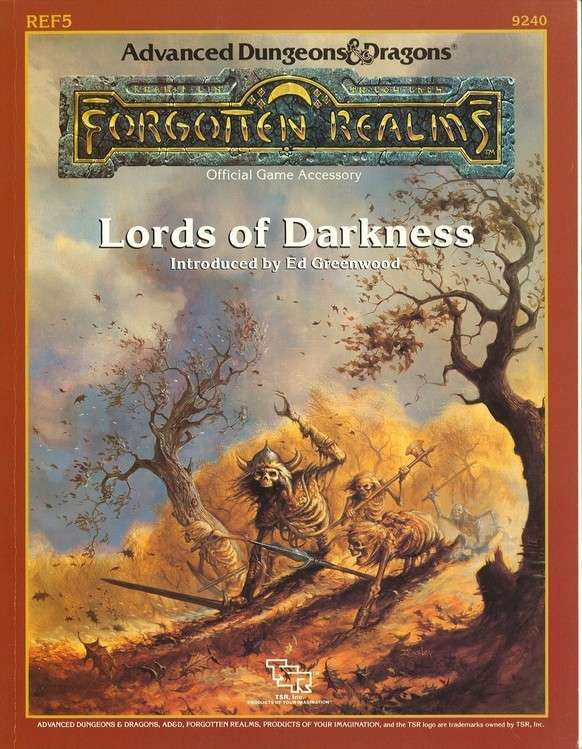
- Lords of Darkness: The Dread Lair of Alokkair (The Lich adventure) – Circa 1998
By this time, I had decided not to run pre-written adventures. One of my players back then disliked this. I think he thought adventures were balanced and proper, but found some of mine too wild. I think the adeventure beforeI rand this moduel they had been shrunk by a magical pool and found themselved invoved in a war between homanoid insects in a magical faerie realm. Regardless, he asked me to run one, and I chose one I could adapt to the campaign. I didn’t have fun playing this. My lack of interest wasn’t a commentary on the adventure itself (I remember little of it), but on my mindset at the time.

- Lady Blackbird – 2010 & 2013
This changed my mind! By this time, Puerto Rico Role Players had formed, and I wanted one-shot adventures I could run at events, such as the Geeknics (a picnic for geeks). This was a delight to run. It started to change my mind about running adventures.

- Alien Survivor (a Lady Blackbird hack) – 2010
I couldn’t find a copy of the game online, and then found out the author has an unfulfilled Kickstarter I did not know about. I found someone hosting a copy of the game if you want to check it out. On to my memories of the game. I tried this hack with my regular weekly group, after playing Lady Blackbird, but it fell flat. I think they just didn’t want their regular campaign interrupted for a one-shot. I then thought: Well, pre-written adventures are for conventions, Geeknics for other events, but not for the weekly group.
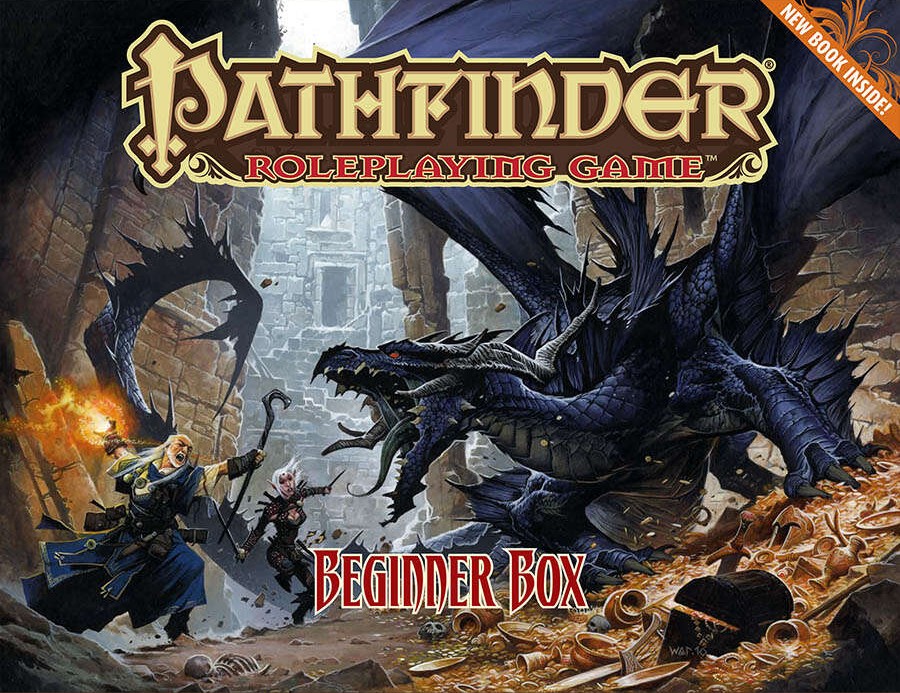
- Pathfinder 1e Beginner Box Adventure – 2012, 2013, 2014, 2015, & 2016 (I ran this using D&D 5e rules for the last two sessions!)
If you see how many times I’ve run this adventure, you’ll see it is the one I’ve run the most. The Pathfinder 1e Beginner Box was a great tool to teach the game; the adventure was so good that I started using it to run D&D 5e. It ran in one session, ideal for teaching people about TTRPGs.
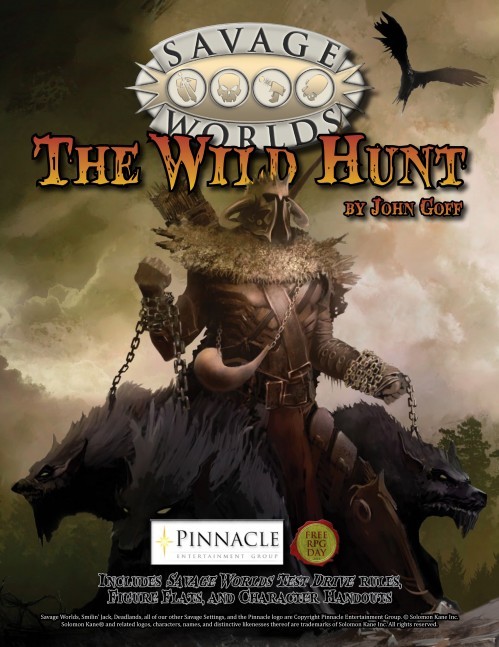
- The Wild Hunt (Savage Worlds Test Drive Rules) – 2014 & 2025
I’m a big fan of Savage Worlds; it is the system we use for our current weekly campaign, so teaching it to others was a big thing for me. I ran it for new players in 2014 and for more experienced players who had not played the system last year.

- Wreck of the Magellan (Alternity Playtest) – 2017
I was a huge Alternity fan, so when Sasquatch Games came out with a playtest for the new system, I was all in. I ran it over two or three sessions; we streamed the game (in a very rudimentary way), and it led to the Desde La Fosa project. The adventure was ok, the new Alternity system was a disappointment, and ultimately, I think Sasquatch Games handled Kickstarter fulfillment and the line poorly.
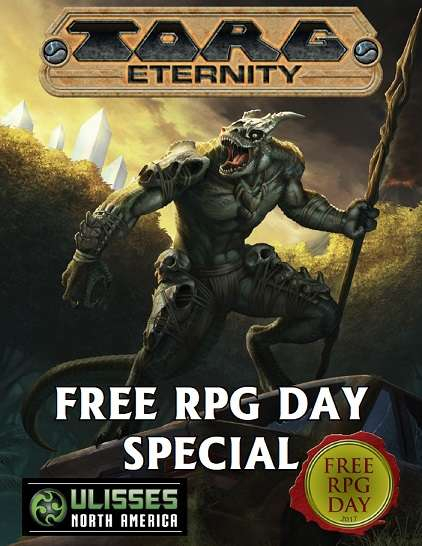
- Invasion (TORG Eternity Free RPG Day Special) – 2017
We were still doing Desde la Fosa, and this was a Free RPG Day adventure for TORG Eternity. I loved running this. I am a massive fan of TORG, and you can see the videos here. Mind you, they are in Spanish.
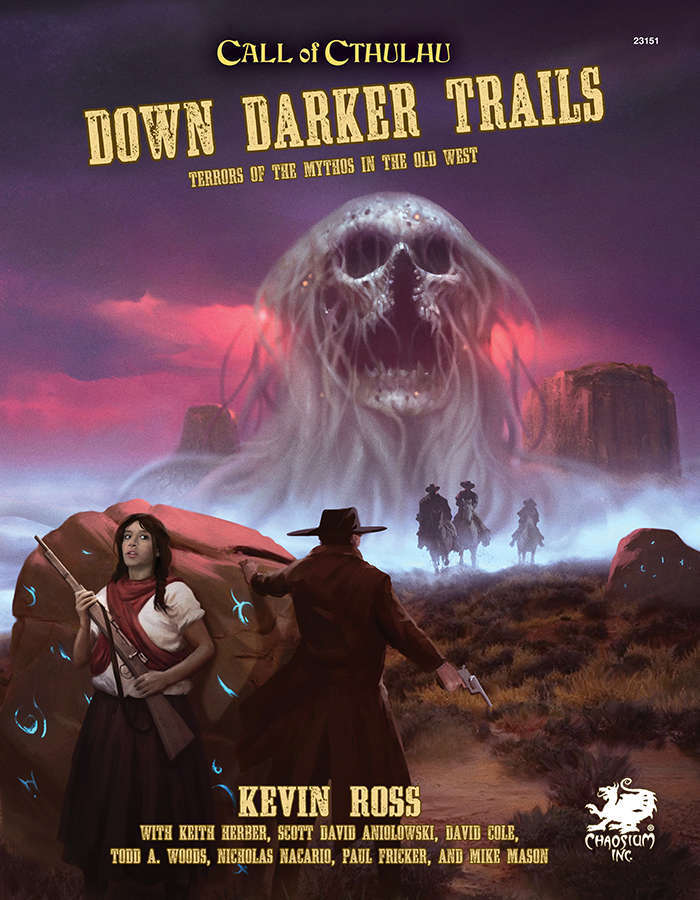
- Down Darker Trails (Call of Cthulhu Western adventure) – 2019
When my son was born, I took a short three-month break, and when we went back to playing, I wanted to run a campaign that took as little prep as possible so I could concentrate on taking care of my child. I decided to run Chaosium’s Down Darker Trails adventures. I was so pleasantly surprised by them. Easy to run, with lots of ideas and details, but open enough for me to run in my style. This was a turning point.
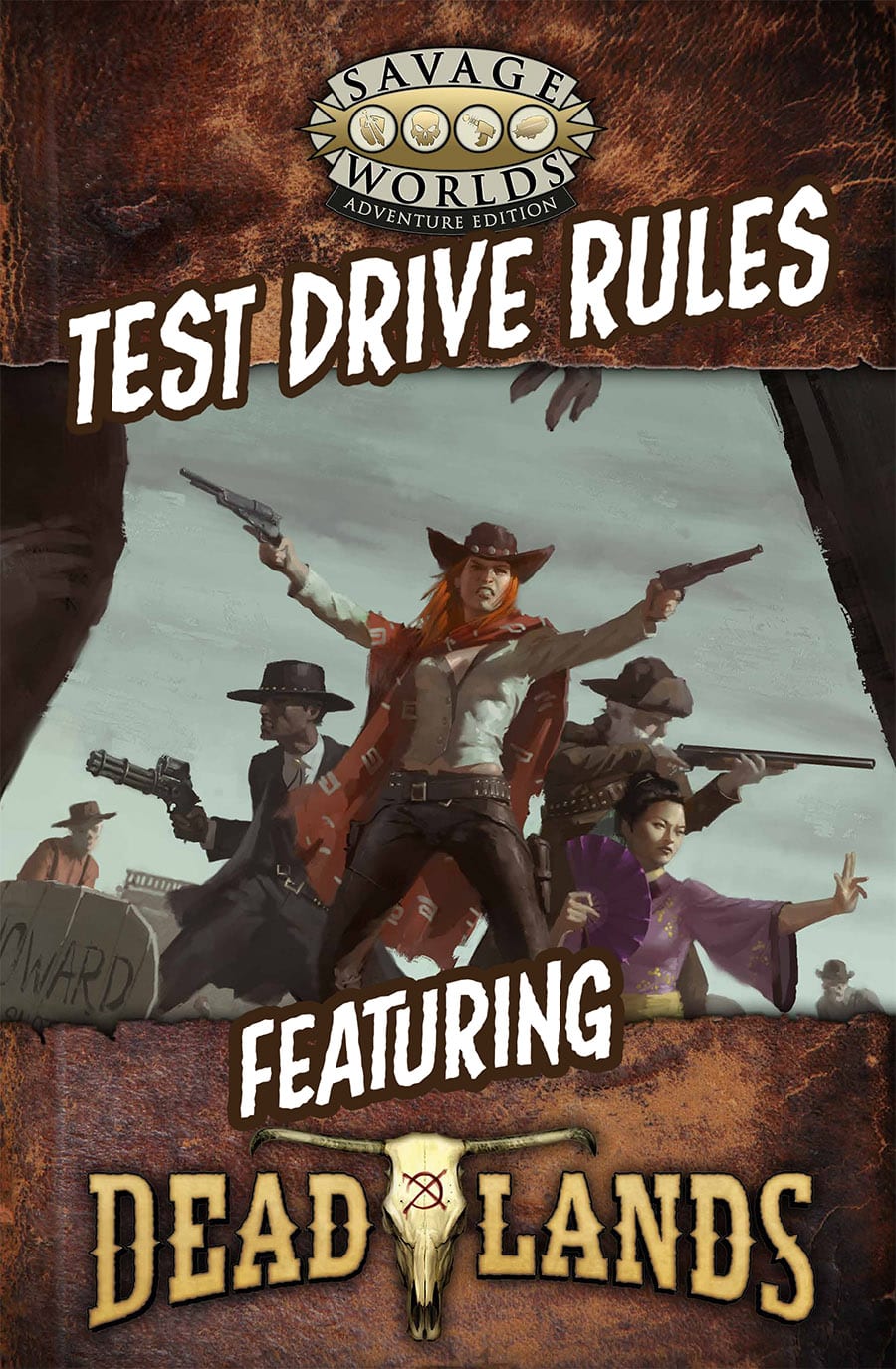
- Blood on the Range (Savage Worlds Test Drive / Deadlands) – 2024
I ran this Savage Worlds Test Drive for Free RPG Day 2025 at Titan Games Caguas to teach people about the system. It’s a great introduction to the rules and to the Deadlands setting. I took considerable liberties with the plot to make the story mine.
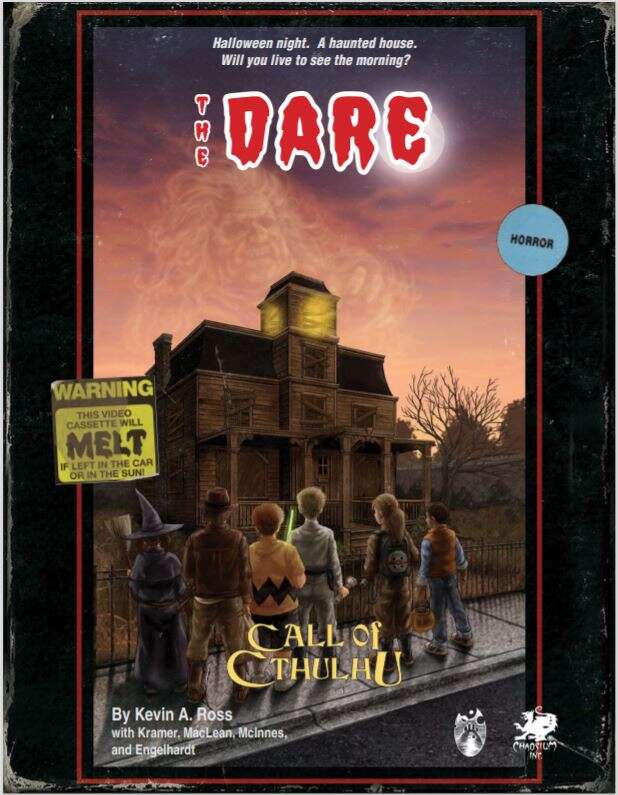
- The Dare (Call of Cthulhu) – 2025
This was our Halloween game last year. Initially written for Call of Cthulhu, I ended up using Eldritch Hack instead. The plot is very detailed, but I was able to read it, run it through the details, and really make it my own at the table again.
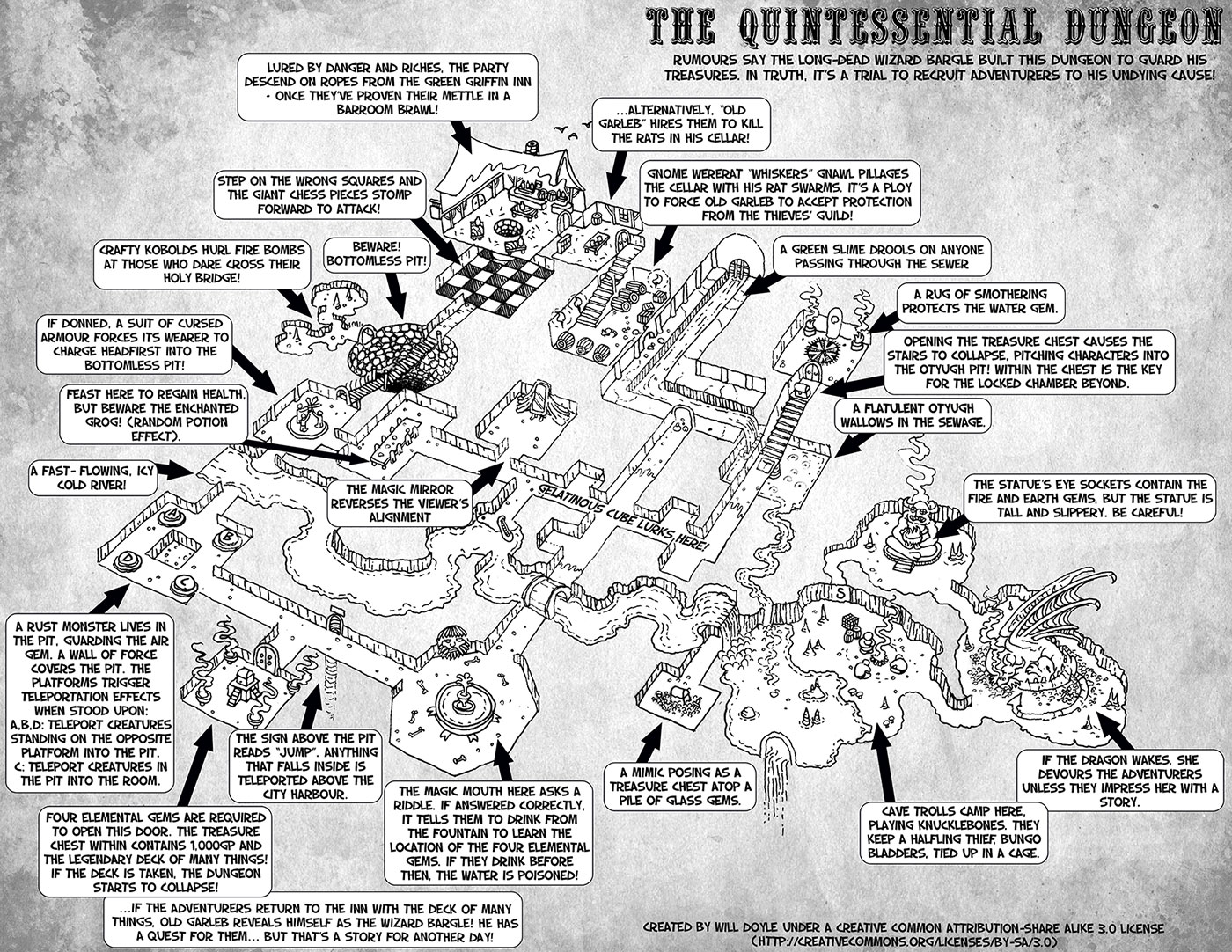
- The Quintessential Dungeon – 2025
I ran this over the holidays and wrote about it in this post. A one-page adventure with a map and details so you can improvise on and run it. This is ideally the perfect type of adventure for me.
The Pattern in the Noise
Looking at this list, the pattern becomes obvious. I don’t hate adventures; I hate homework.
Most of the games on this list fall into two categories: Teaching tools and One-Shots. I love a module designed to introduce a system, like the Pathfinder Beginner Box or the Savage Worlds Test Drives. They are efficient, focused, and do precisely what they promise.
The others are what we could call outline or framework adventures. Look at Lady Blackbird or The Quintessential Dungeon. These aren’t rigid scripts; they are situations with an outline of a plot that demands the GM be creative to fill in the gaps.
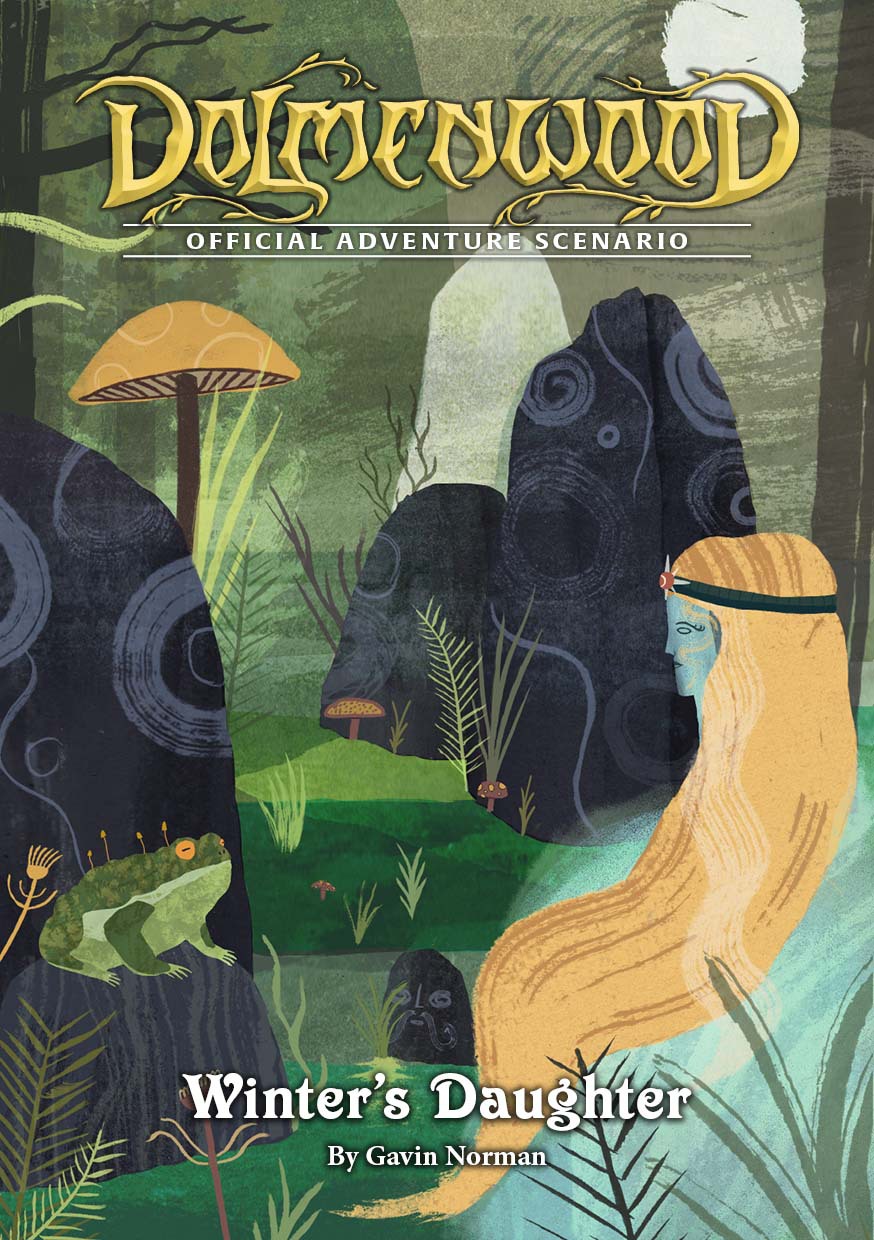
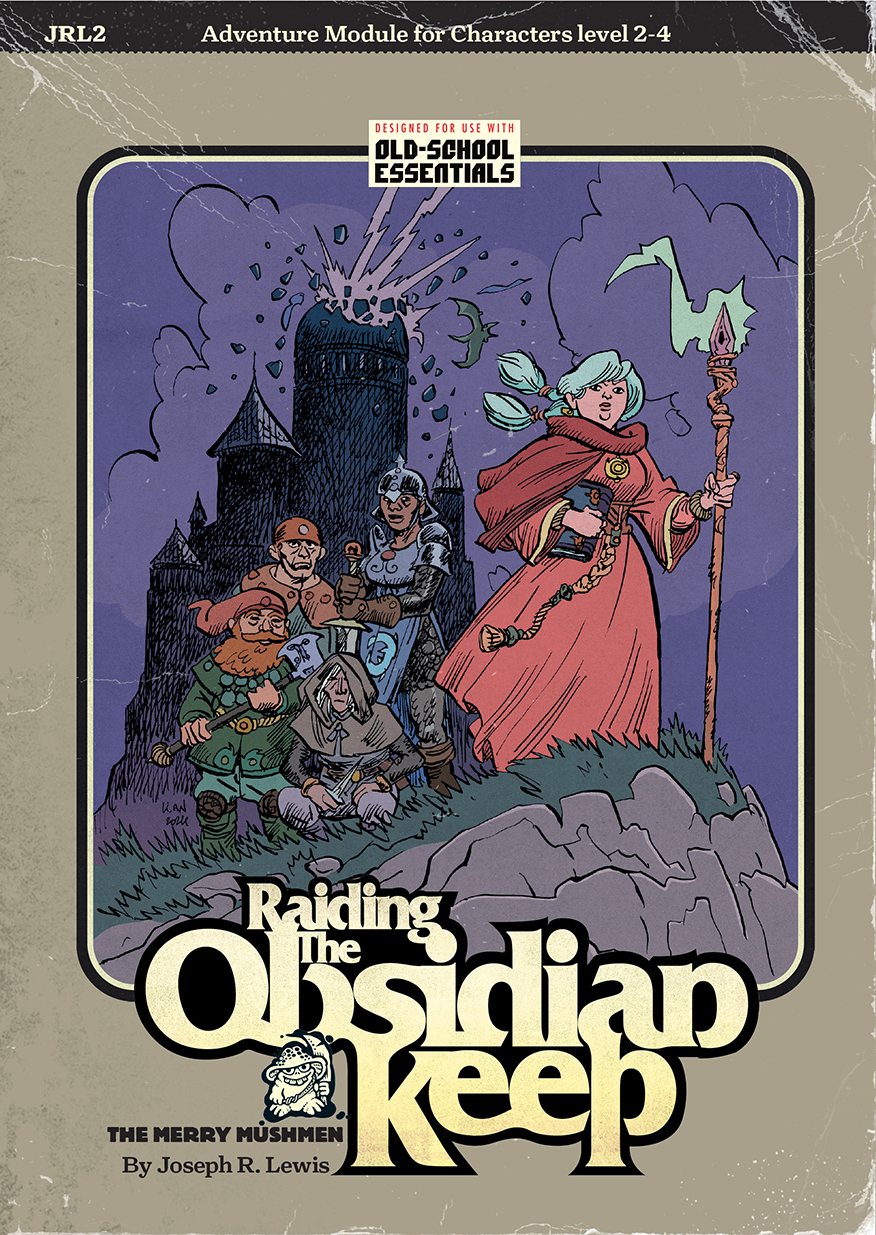
This is where my tastes have evolved. In recent years, I’ve become very interested in usability. I love the modern design philosophy we see in Old School Essentials, Dolmenwood, or the Merry Mushmen adventures. I’m currently reading adventures by Joseph R. Lewis (I’m dying to run Raiding the Obsidian Keep), and I find myself nodding along to the advice from Ben Milton at Questing Beast regarding adventure layout.
I prefer a one-page dungeon like The Quintessential Dungeon over a 300-page campaign book any day. Give me a map, some evocative bullets, and let me drive.
Growing into the Role
I think a lot of my early aversion to modules came from insecurity.
When I was a young GM, I felt like the module was a test I had to pass. I thought I had to run it exactly as the author intended. If the book said the door was locked, it had to be closed. I felt constrained by “canon” and the fear of “doing it wrong.”
40 years later, that fear is gone. I’ve grown confident enough to know that the book is just a tool in my toolbox. It’s not my boss. I can take a module, rip out the parts I like, ignore the parts I don’t, and reshape it to fit my table. It’s always been supposed to be like this; it took me a while to internalize it.
So, I must revise my stance. I do run adventures. I have a “type.” I like frameworks, clean design, and room to improvise.
But I’m curious, what about you? Are you a devotee of the classics, or do you prefer to roll your own worlds? And did anyone else miss the Caves of Chaos back in the day, or was it just me?