
Hello friends! Welcome back.
Continuing my celebration of 40 years in this hobby, today I want to move from the “proto-history” I wrote about in my last post to the actual history. The meat and potatoes. The games themselves.
As I prepared for this anniversary, I decided to do something I hadn’t done in a long time: I sat down and reviewed the list of every single tabletop role-playing game (TTRPG) system I have played at least once. Not just the ones I ran campaigns for, but the one-shots, the playtests, the convention games, and the indie games.
I went through my memory, old character sheets, and the blog archives. I counted them. Then I recounted them.
The total came to exactly 100!
When I first tallied the list, I thought I was stuck at 98, as I had said previously. I was a little frustrated—just two short of a perfect number! But then I took a closer look and realized I had missed two. The total is exactly 100. It feels like the stars aligned for this anniversary—a perfect century of systems to celebrate four decades of rolling dice. I couldn’t have planned it better if I tried. I couldn’t have planned it better if I tried.
Before I share the list, I want to offer a caveat, much as I did in my last post. Looking at a list this long might seem like a flex, or an attempt to claim some “guru” status. It is neither.
Having played 100 systems doesn’t make me a better gamer than someone who has played D&D exclusively for five years. This list doesn’t mean I’m claiming to be a grandmaster of any game; it reflects curiosity. It represents a restless imagination and, more importantly, it represents the incredible friends—from my early days playing with my classmates and neighbors, to the connections made via Stargazers World and Puerto Rico Role Players—who were willing to say, “Sure, Roberto, I’ll try this weird game where we play cats/space explorers/movie characters.”
Every entry on this list is a memory of a table, a group of friends, and a story shared.
So, for the curious, the nostalgic, and the completists, here is the log of my 40-year voyage, thus far, organized by the eras and genres that defined my time as a gamer and Game Master.
The Foundation: Dungeons & Dragons, D20 & Retro-Clones
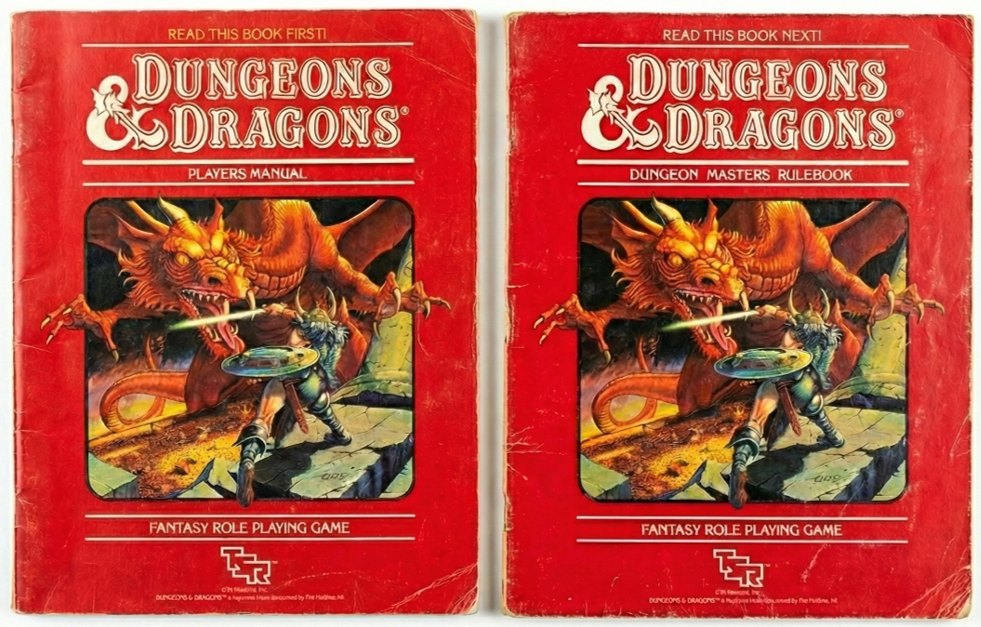
It started with the Red Box in 1986. D&D, and the evolution and variations of that ruleset, have remained the spine of my gaming life. From the Gygaxian prose of AD&D 1e, to the complexity of 3.5, to the sleekness of Shadowdark, D20 is a gaming language I speak fluently. Unlike the other lists included in this post, this one is roughly in chronological order of how I played them.
- D&D BECMI and Rules Cyclopedia
- AD&D 1st edition
- AD&D 2nd edition (including Ravenloft Masque of the Red Death & Skills & Powers)
- Buck Rogers XXVc (yes, the mechanics were pretty much AD&D 2e with sci-fi elements!)
- D&D 3rd & 3.5 edition
- Star Wars Saga System
- D&D 4th edition
- D&D 5th edition (2014 version, haven’t played the 2024 version yet!)
- D20 Modern
- Pathfinder
- Microlite20 (Fantasy and Zombies games)
- Mutants & Masterminds (2nd and 3rd edition, including DC Adventures)
- Basic Fantasy RPG (OSR retro-clone)
- Castles & Crusades (Troll Lord Games)
- Amazing Adventures (Troll Lord Games)
- Shadowdark
The TSR Era (Non-D&D)
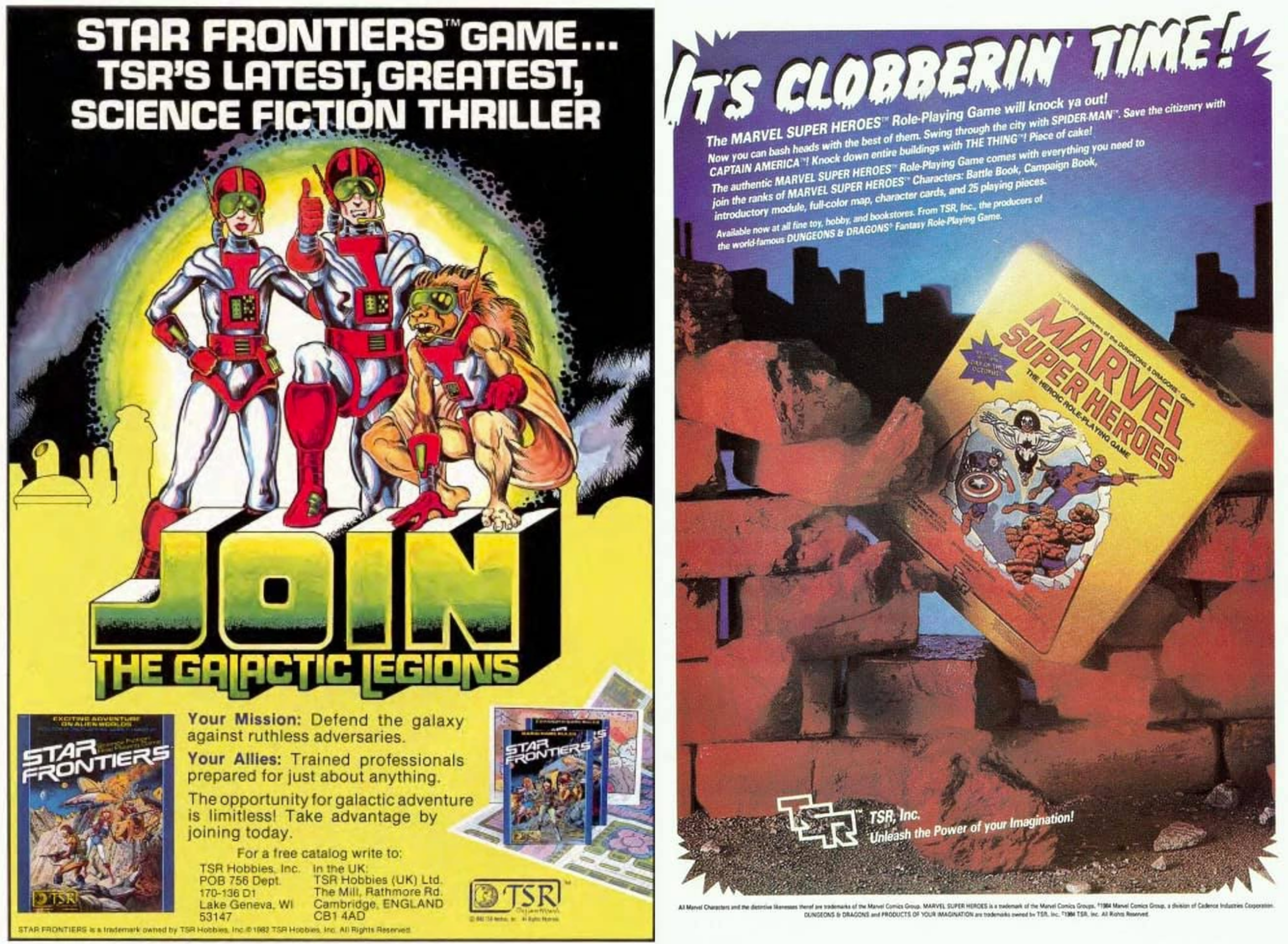
If you grew up gaming in the 80s and 90s, TSR was the biggest elephant in the room. I have a deep love for these systems, especially the FASERIP chart of Marvel Super Heroes, Star Frontiers, and Alternity.
- Alternity (TSR version)
- Amazing Engine (settings Bughunters & Galactos Barrier)
- Boot Hill
- DragonStrike (TSR’s boardgame role-play hybrid with a VHS cassette, I used this game to teach people how to play TTRPGs.)
- Gamma World (3rd and 4th edition)
- Marvel Super Heroes RPG (Basic & Advanced)
- Star Frontiers

Palladium Books
Many of us played them. We struggled with the rules. We loved the settings. Rifts, Robotech, and Heroes Unlimited were absolute staples of my early gaming years.
- Beyond the Supernatural
- Heroes Unlimited
- Nightspawn (renamed Nightbane)
- Ninjas & Superspies
- Rifts
- Robotech (Palladium)
- Teenage Mutant Ninja Turtles and Other Strangeness

World of Darkness
I didn’t play as much WoD as some of my friends in the early 90s, but I did play these three.
BESM & Tri-Stat (Guardians of Order)
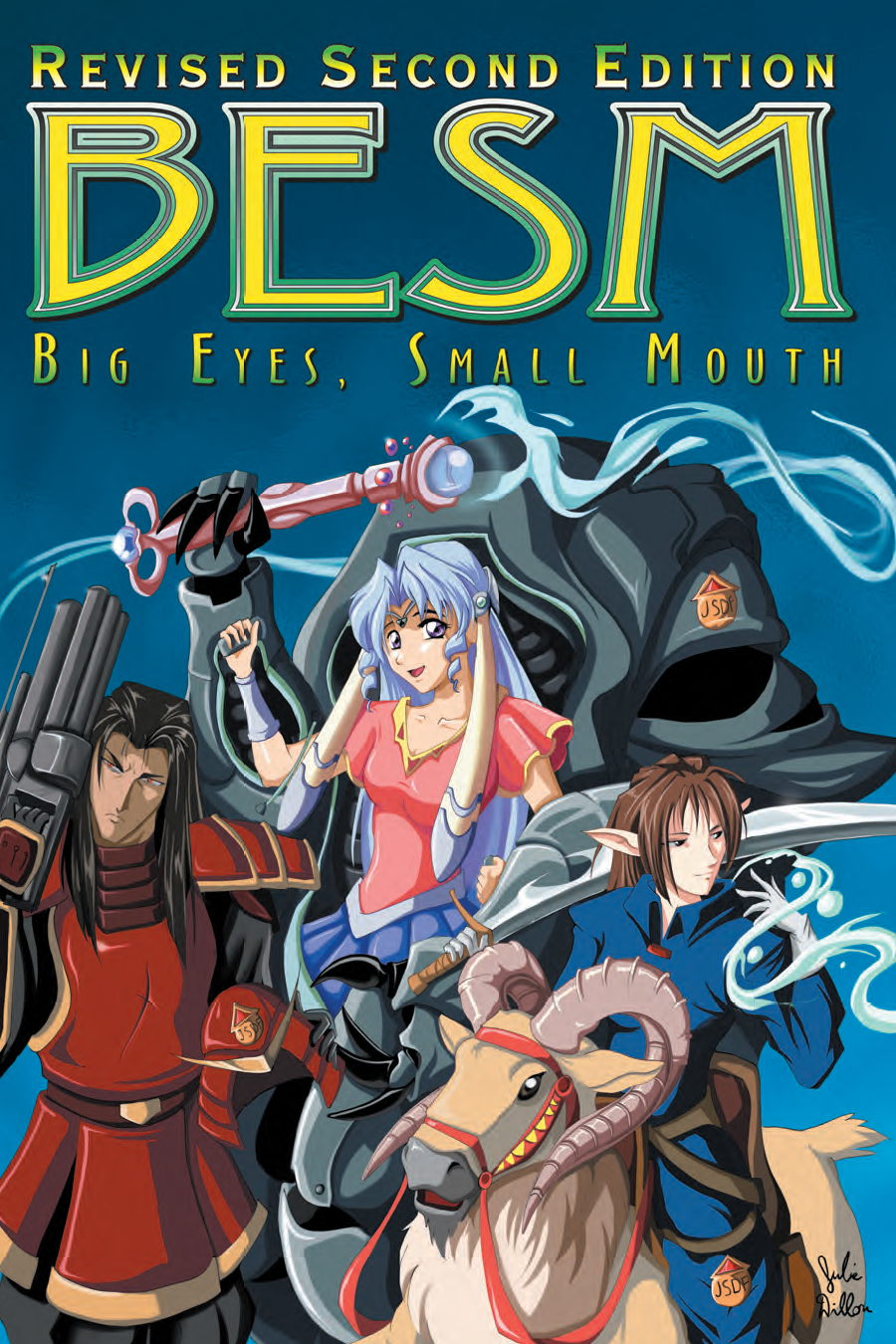
- Big Eyes Small Mouth 2nd edition
- Sailor Moon (I was a player in one session, I was Sailor Uranus. I kid you not!)
- Silver Age Sentinels
- Tri-Stat dX
Sci-Fi, Cyberpunk, Steampunk & Space Opera
As you know from the blog, Sci-Fi is my other great love alongside Fantasy. From the hard sci-fi of Traveller to the space opera of Star Wars, I’ve tried to travel to as many stars as possible.
- Alien (Free League)
- Alien Survivor (Lady Blackbird Hack)
- Alternity (Sasquatch Games playtest)
- Battlelords of the 23rd Century
- Bubblegum Crisis
- Coriolis
- Cyberpunk
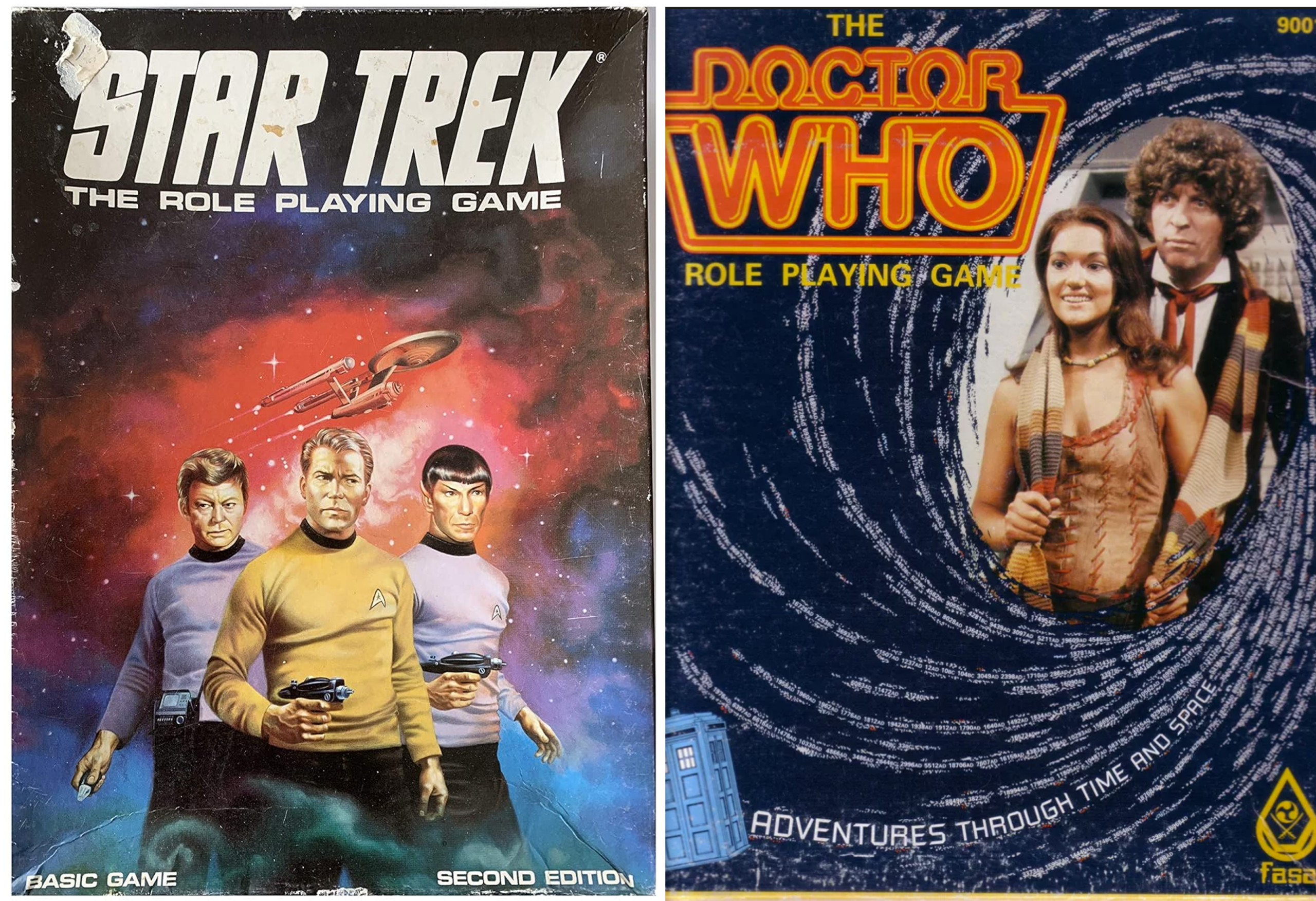
- Dr. Who (FASA)
- Fading Suns
- Justifiers
- Legacy 2nd edition
- Mega Traveller
- Paranoia
- PsiRun
- Shadowrun
- Shatterzone
- Space 1889
- Star Trek (FASA)
- Star Wars: The Roleplaying Game (D6)
- Stars Without Number Revised
- Underground
Fantasy (Non-D&D)
There is life beyond the D20! Some of my most evocative gaming memories come from teaching my high-school girlfriend’s little brother to role-play with HeroQuest, or from the narrative beauty of Lady Blackbird.
- Amber Diceless
- Fabula Ultima
- HeroQuest (the board game, used to teach how to play TTRPGs)
- Lady Blackbird
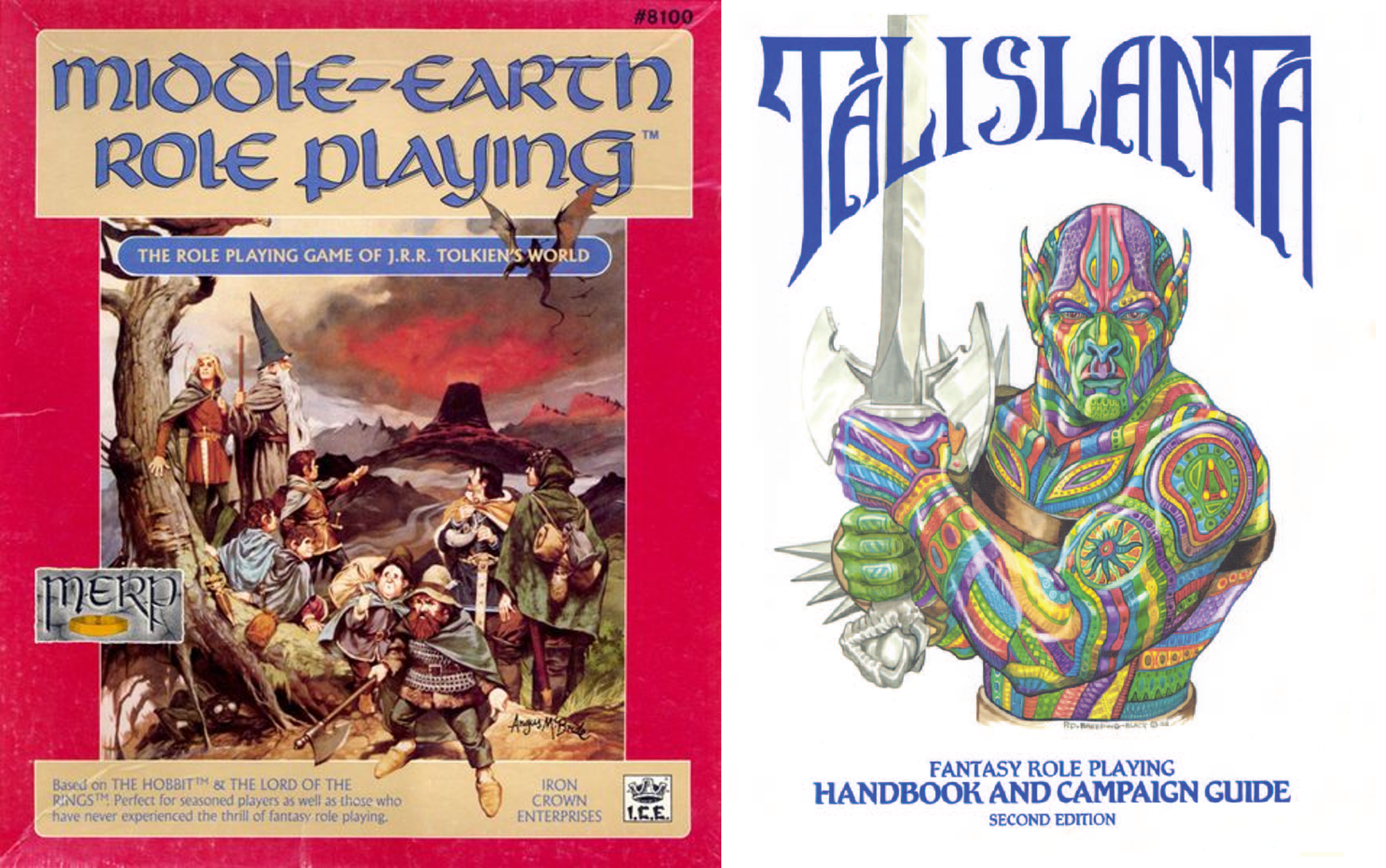
- Middle-Earth Role Playing (MERP)
- Symbaroum
- Talislanta (2nd edition)
- The Black Hack
- Warhammer Fantasy 1st edition
- Warrior, Rogue & Mage
Horror, Dark & Post-Apocalyptic
- Call of Cthulhu
- Cats of Catthulhu
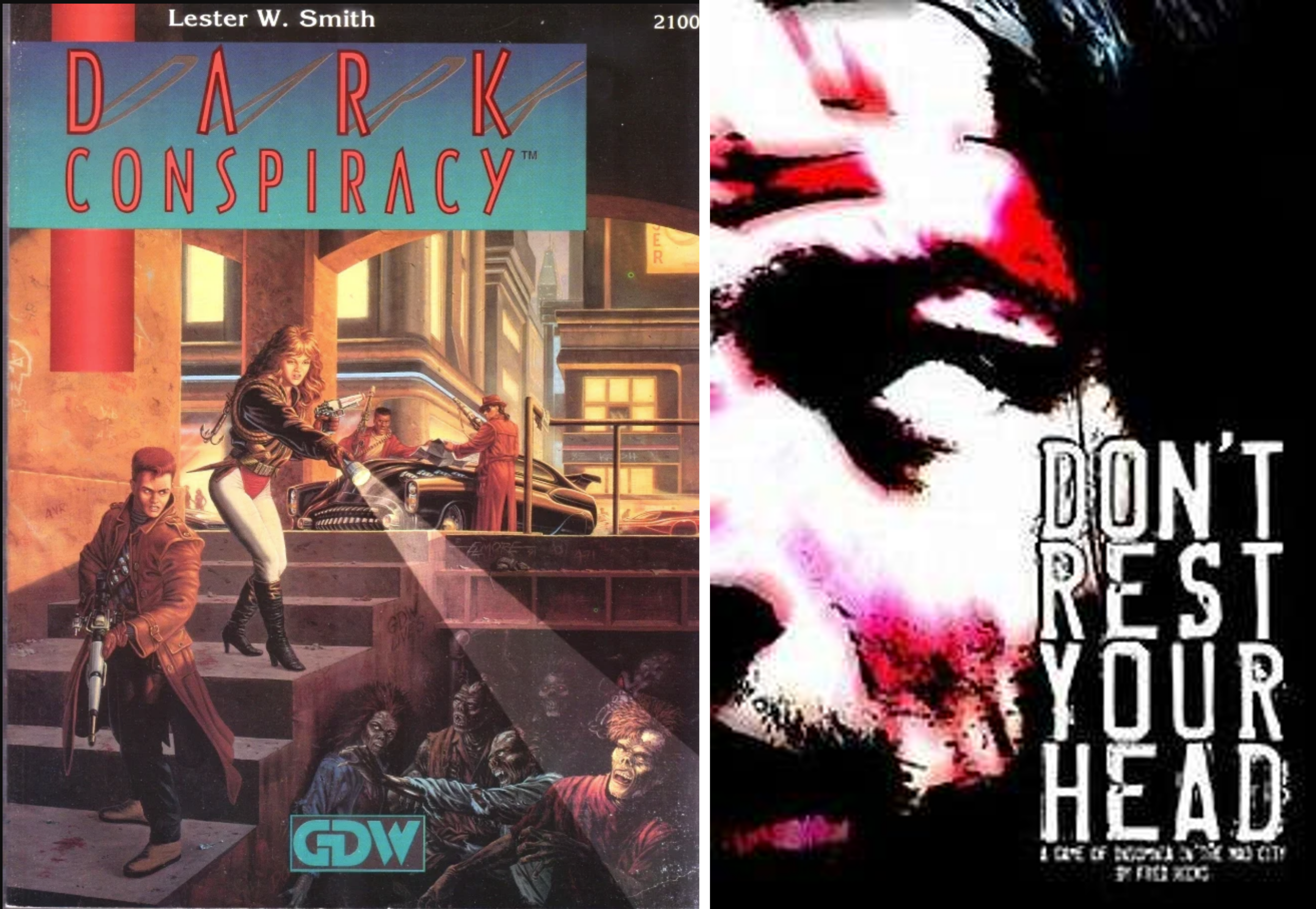
- Dark Conspiracy
- Don’t Rest Your Head
- Eldritch Hack
- Silent Legions
- Ten Candles
- The Dead are Coming
- Twilight 2000 (1st edition)
Action, Pulp & Cult Classics
- Car Wars (we integrated RPG elements early on, and eventually I played once using GURPS Autoduel)
- Ghostbusters
- It Came from the Late, Late, Late Show
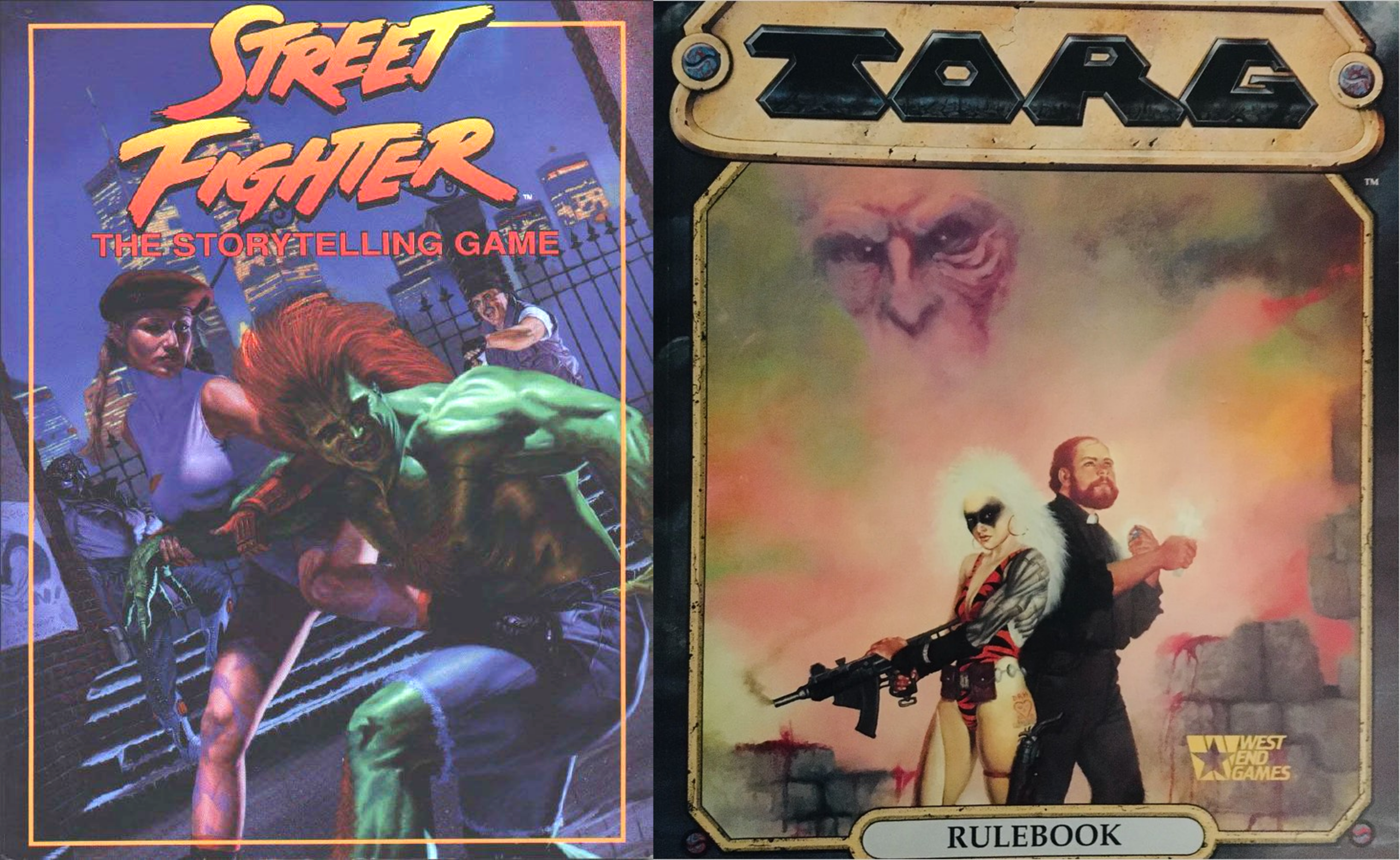
- Street Fighter
- TORG
- TORG Eternity
- Weird West
Superheroes
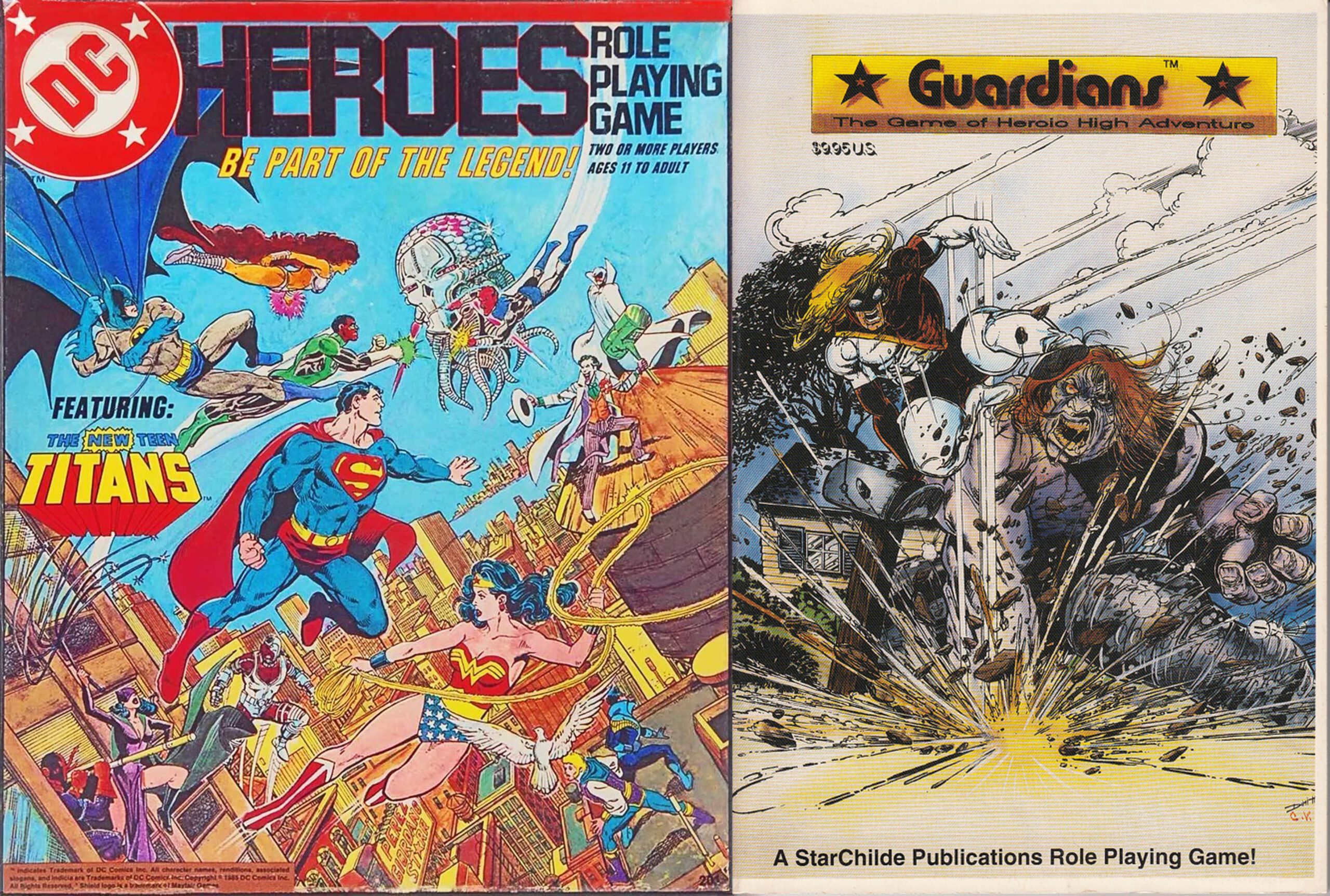
- Champions
- Guardians (StarChilde Publishing)
- DC Heroes RPG
Universal & Narrative Systems
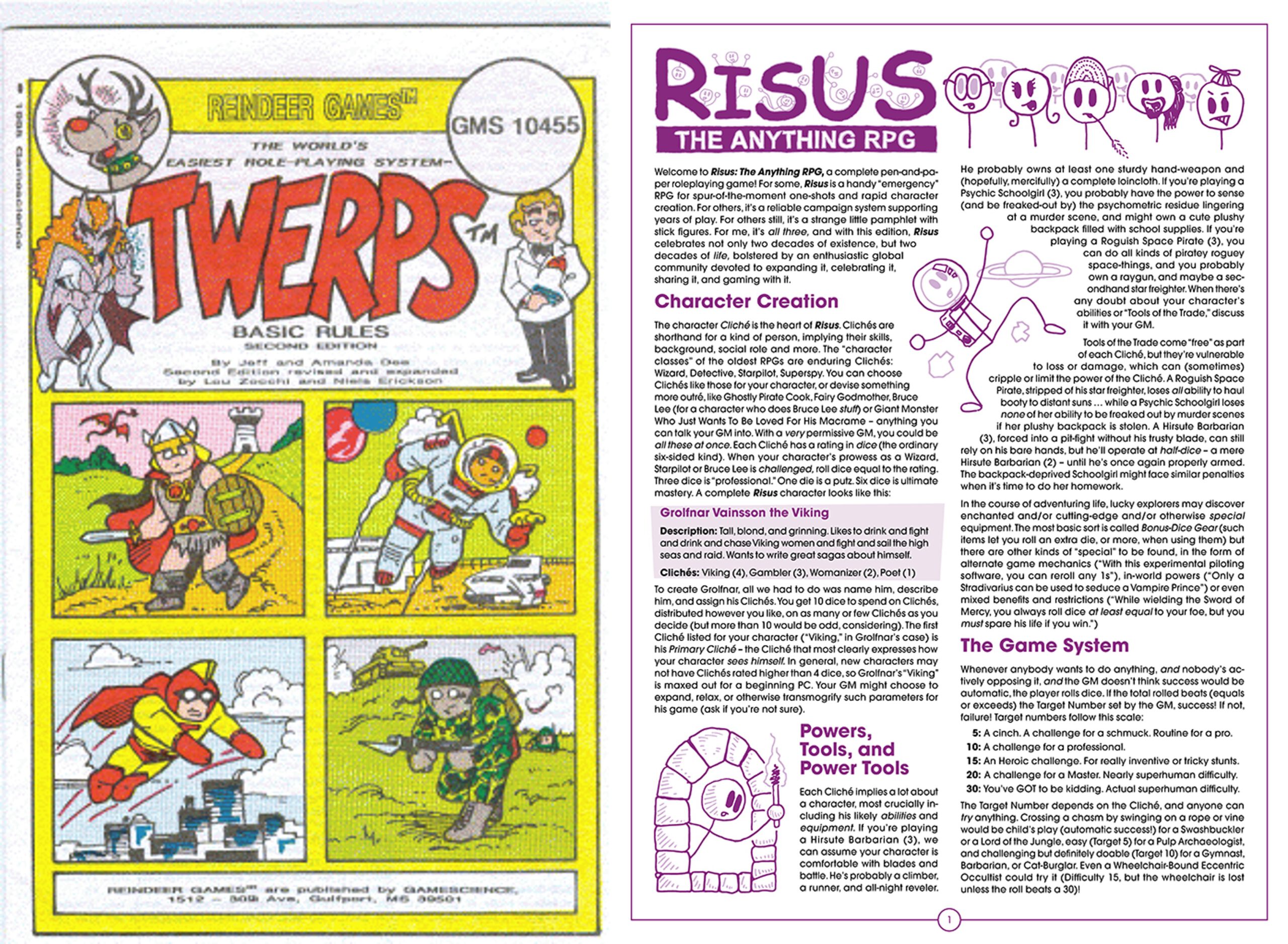
- FATE
- GURPS (1st and 2nd edition)
- RISUS
- Savage Worlds
- TWERPS
Homebrewed Systems
Finally, the tinkerer’s workshop. These are the systems my friends and I built. They might not be famous, but they work for us.
- Attack/Defend/Know (homebrew d10-based system)
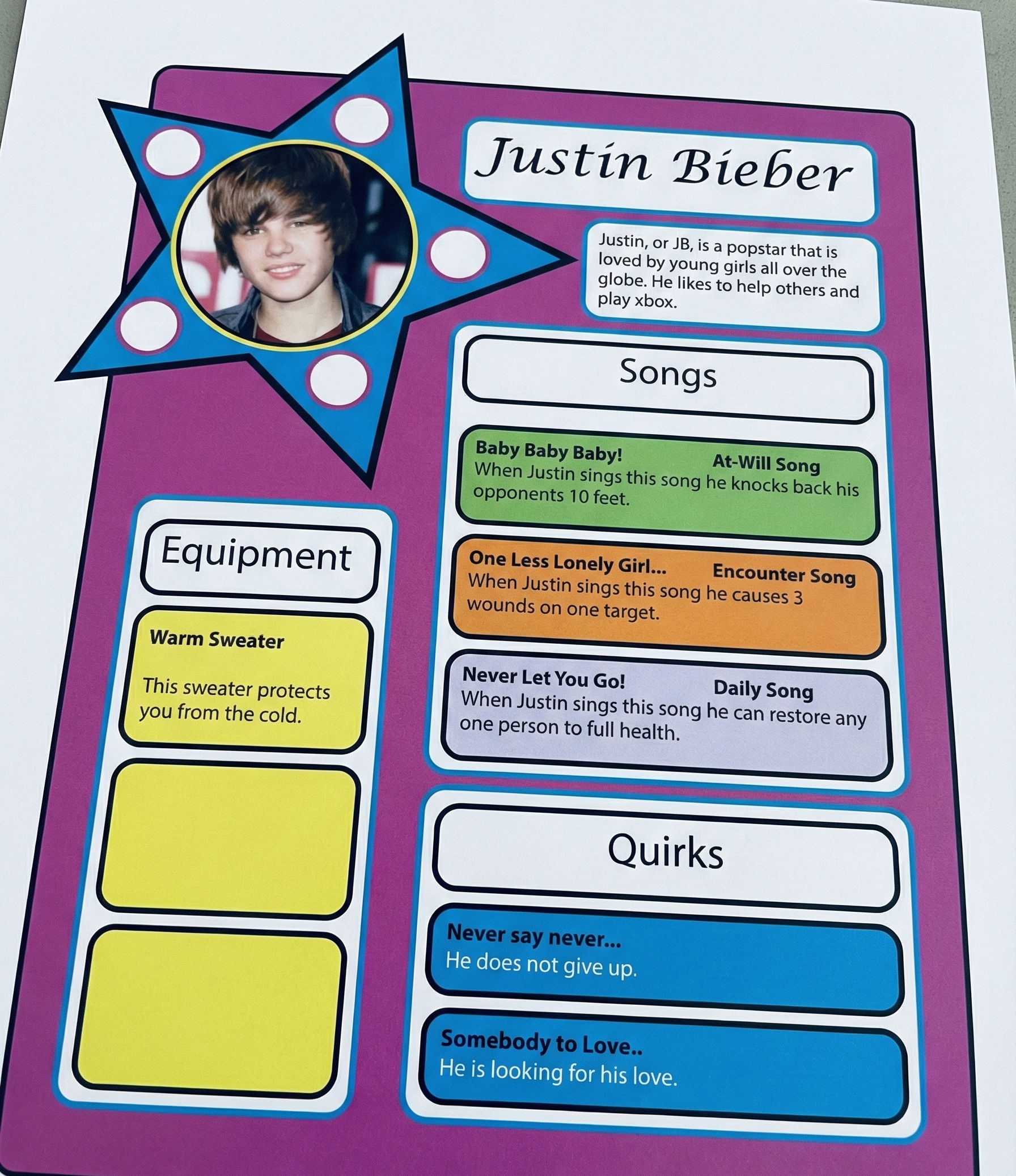
- Bieber Fever! (That’s exactly what it sounds like, a Justin Bieber-based game, filled with pop icons and references. See the character sheet above!)
- Edwin’s OD20: Opposed D20 (a friend’s homebrewed system)
- MODS (Lao & Fernan’s system playtest)
- MUGeS (Homebrewed system in development)
- Oldchester (Kirk’s free-form narrative Play-By-Post)
- Simple D6 (homebrewed narrative system)
- Three Attributes & Fate (a quick homebrew I put together for a pick-up game)
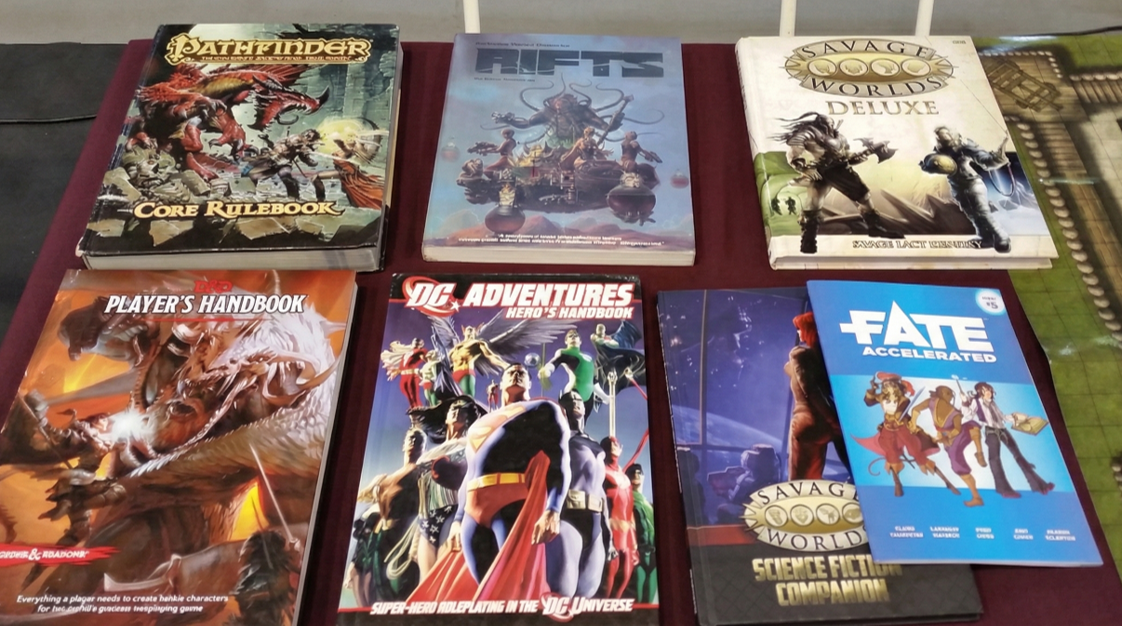
So, there you have it. 100 systems.
It’s been a wild ride from the rudimentary mechanics of the 80s to the narrative-forward indie games of today. I have loved (almost) every minute of it.
If you want to keep up with these celebrations, share your own stories, or just chat about gaming in smaller bites, I’ve launched a new Facebook page to connect with friends and readers: Sunglar’s Musings.
I’ll be sharing shorter ideas, updates on the “40 Years a Gamer” series, and probably a few more old pictures of our games, I’d love to see you there.
Now, the big question remains: What should be game #101?
If you have a suggestion for a system that is glaringly missing from this list, let me know in the comments. Or, better yet, tell me how many systems you have played—whether it’s 5 or 500—I’d love to hear about your journey.